
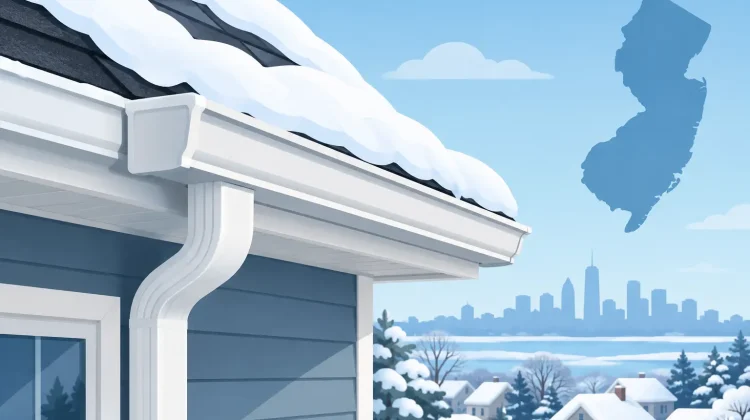
Winter exposes every weak point in a drainage system. The best gutters for snow are not simply the heaviest-looking option. They are properly sized, securely fastened, correctly pitched, and matched to the roof, tree cover, and drainage demands of the property. For homeowners and property managers in New Jersey and Staten Island, that distinction matters when snow begins melting, nighttime temperatures drop below freezing, and water has nowhere safe to go.
A gutter system has one job: move water away from the roofline, siding, foundation, walkways, and landscaping. Snow makes that job more demanding because the system may need to handle melting snow, rain-on-snow events, ice, windblown debris, and repeated freeze-thaw cycles in the same week. A well-planned installation helps protect the building when winter weather is at its least forgiving.
What Snow Does to a Gutter System
Snow sitting on a roof does not automatically mean a gutter will fail. The real problems usually begin at the roof edge. As attic heat and daytime temperatures melt snow, water runs down toward the eaves. If temperatures fall again, that water can freeze in or around the gutter and downspouts.
Ice is heavy, but the larger concern is often how it forms. Ice buildup can block the gutter channel, trap additional meltwater, force water behind the fascia, and create icicles over entrances and sidewalks. If gutters are loose, undersized, poorly pitched, or already full of debris, the strain is even greater.
A gutter system cannot solve a roof-level ice dam caused by heat escaping from the home. Attic insulation, ventilation, and air sealing may need attention in that situation. Still, properly installed gutters are a critical part of managing the water that reaches the roof edge and reducing avoidable damage below it.
Best Gutters for Snow: Start With Seamless Aluminum
For most homes and commercial properties in this area, seamless aluminum gutters are the practical choice for snow conditions. Aluminum does not rust, it is available in many colors, and it can be formed on-site to match the exact lengths of the building. Fewer seams mean fewer places for leaks to develop as the system expands and contracts through changing temperatures.
Aluminum also offers a good balance between strength, appearance, and cost. The key is not selecting aluminum alone. The thickness of the material, the size of the gutter, the quality of the hangers, and the installation method all affect how it performs through winter.
A heavier-gauge aluminum system can be a worthwhile upgrade on long roof runs, steep roofs, or buildings that regularly receive heavy snow sliding toward the eaves. It holds its shape better than lighter material and provides more resistance to dents and warping. However, even a strong gutter can fail if it is attached with inadequate fasteners or installed into deteriorated fascia.
Steel gutters can provide strength, but they require reliable protective coatings and ongoing attention to prevent corrosion. Copper is durable and visually distinctive, though its higher cost makes it best suited to properties where the architectural finish justifies the investment. Vinyl gutters are generally less desirable for harsh Northeast winters because cold temperatures can make them brittle and vulnerable to cracking.
Why K-Style Gutters Work Well
K-style gutters are the most common profile on residential properties for good reason. Their shape carries more water than a similarly sized half-round gutter, and the flat back allows secure attachment to the fascia board. They also blend well with many home styles.
Half-round gutters can be an excellent choice for historic homes or properties with a traditional architectural style. They can perform well in snow, but the system should be sized carefully and installed with strong brackets. Appearance should never come at the expense of capacity or secure support.
Size Matters More Than Many Property Owners Expect
A standard 5-inch gutter may be sufficient for a modest roof with short runs and normal water flow. But a 6-inch gutter often makes more sense for homes with steep roof pitches, large roof planes, valleys that concentrate runoff, or recurring overflow problems.
The additional capacity of a 6-inch system is particularly helpful during a rapid thaw or winter rainstorm. Snowmelt does not always arrive slowly. A warm day followed by rain can send a large volume of water into one section of gutter at once. If the channel is too small, water can spill over the front edge, soak the siding, and collect near the foundation.
Downspouts must be sized to support the gutter capacity. Installing a larger gutter while keeping too few or undersized downspouts can still create a bottleneck. Proper placement matters as well. Water should be directed away from the structure, not discharged beside a foundation wall, driveway edge, or pedestrian path where it can freeze.
Strong Hangers Are Essential in Snow Country
The part of the gutter system you cannot easily see is often what determines how well it holds up. Hidden hangers with long screws fastened securely into sound fascia provide dependable support for seamless aluminum gutters. They help keep the gutter aligned when it is carrying water, ice, and debris.
Hanger spacing should reflect the demands of the roofline and local weather. Wider spacing may leave sections of gutter more likely to sag under a heavy load. Sagging changes the pitch, allows standing water to remain in the channel, and makes ice buildup more likely. The gutter then carries even more unnecessary weight.
Before replacement or installation, the fascia and roof edge should be inspected. New gutters attached to soft, rotted, or damaged wood will not deliver the performance a property owner expects. Addressing underlying issues first is part of doing the job correctly.
Gutter Guards Can Help, With the Right Expectations
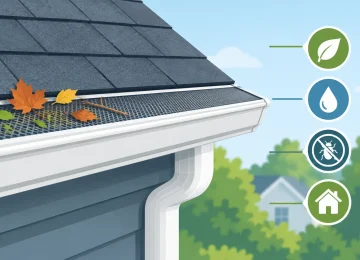
Gutter guards are useful when they reduce leaves, pine needles, seed pods, and roof grit that would otherwise block water flow before winter. A clean gutter has more available capacity for snowmelt, and clear downspouts are less likely to back up during a freeze-thaw cycle.
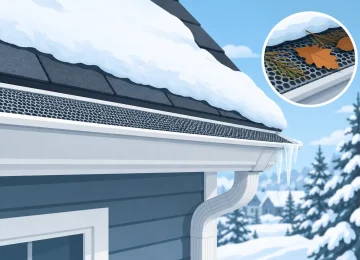
They are not a guarantee against ice. No gutter guard can prevent ice dams caused by heat loss from the roof, and some guard designs may need maintenance depending on nearby trees and roof debris. The right guard should allow water to enter efficiently while limiting the material that collects inside the gutter.
For properties with mature trees, gutter guard installation paired with periodic cleaning support is often a more sensible long-term approach than assuming the system will never need attention again. A professional can recommend a guard based on the debris around the property, roof pitch, gutter profile, and access needs.
Installation Details That Make a Winter Difference
The best gutter material will not compensate for poor installation. Gutters need a consistent pitch toward the downspouts so water does not pool. They need properly sealed end caps, outlets, and seams. They also need downspouts that are secured to the building and routed to discharge water safely away from the structure.
Snow guards on metal roofs may also be appropriate in some situations. These are separate roof-mounted devices designed to help control sudden sheets of sliding snow. They should be planned as part of the overall roof and drainage strategy, not added casually after damage has occurred.
Heat cables are another option property owners sometimes consider. They can create channels for melting water in targeted locations, but they use energy, require proper installation, and do not replace correcting insulation, ventilation, drainage, or gutter defects. Their value depends on the specific source of the ice problem.
When It Is Time to Replace Winter-Worn Gutters
A few icicles after a storm do not necessarily mean replacement is needed. But repeated overflow, gutters pulling away from the fascia, visible sagging, cracked joints, peeling paint, rust, or water marks on siding deserve attention. These signs often indicate that the system is no longer moving water where it needs to go.
Property managers should also watch for ice near entrances, downspout discharge points, and parking areas. A drainage issue can become a safety issue quickly when runoff refreezes on a walkway. Correcting the water path is often more effective than repeatedly treating the ice after it forms.
Cavallari Gutters can evaluate the full system, including gutter size, slope, hangers, downspouts, and guard options, rather than treating a winter drainage issue as a one-part repair. A customized recommendation helps ensure the work fits the property instead of relying on a one-size-fits-all solution.
Before the next snowstorm, take a close look at where meltwater goes once it leaves your roof. A clean, securely installed gutter system with enough capacity gives that water a controlled path, helping protect the property through winter and well beyond it.
Leave a Reply