
A commercial gutter inspection is not just a look at the gutters from the ground. It is a practical assessment of how water moves across the roof, into the gutter system, through downspouts, and away from the building. When that system is blocked, undersized, loose, or poorly pitched, water can affect far more than the roofline. It can stain exterior walls, damage landscaping, create icy walkways, seep near foundations, and disrupt tenants or customers.
For commercial property owners and managers in New Jersey and Staten Island, inspections are a straightforward way to find drainage concerns before the next heavy rain exposes them. The goal is to identify real conditions, prioritize repairs, and keep a manageable maintenance issue from becoming an expensive property repair.
Why Commercial Gutters Need More Attention
Commercial gutter systems often handle larger roof areas, longer runs, and more complex drainage paths than a typical home. A retail storefront, office building, mixed-use property, warehouse, or multifamily building may have multiple roof sections feeding the same gutter run. If one area clogs or pulls away, water can overflow well beyond the point of failure.
The consequences are also broader. Overflow near an entrance can create a slip hazard. Water spilling against siding, masonry, or trim can accelerate exterior deterioration. A downspout that discharges too close to the building may contribute to moisture around the foundation. On a property with tenants, recurring leaks and stained façades can quickly become service and reputation issues.
That does not mean every commercial property needs the same inspection schedule or the same gutter design. A low-rise office building surrounded by mature trees has different needs than a newer retail property with an open roofline. Roof size, tree coverage, gutter capacity, drainage layout, building materials, and past water problems all matter.
What Happens During a Commercial Gutter Inspection
A useful inspection considers the entire drainage system rather than treating the gutter as an isolated piece of metal. The inspector should look for visible debris, but also for the conditions that cause water to collect, overflow, or drain in the wrong direction.
Gutter condition and secure attachment
Gutters should be checked for sagging sections, open seams, corrosion, cracks, holes, and areas that have separated from the fascia or roof edge. Fasteners can loosen over time, particularly after repeated snow loads, wind events, and freeze-thaw cycles. Even a small dip in a long gutter run can hold standing water and collect debris faster.
The inspection should also consider pitch. Gutters need a controlled slope so water reaches the downspouts instead of sitting in the channel. Improper pitch is not always obvious from ground level, but it often shows up as repeated overflow, staining, or pooling after rainfall.
Downspouts and discharge locations
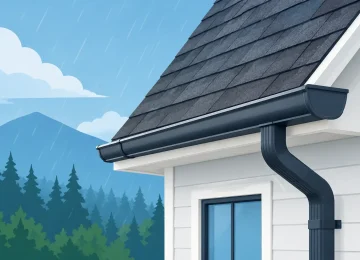
Downspouts are where many drainage problems become clear. An inspection should confirm that downspouts are open, properly connected, and capable of moving water away from the structure. A system can have clean gutters yet still overflow if its downspouts are blocked, too few for the roof area, or discharging into a clogged underground connection.
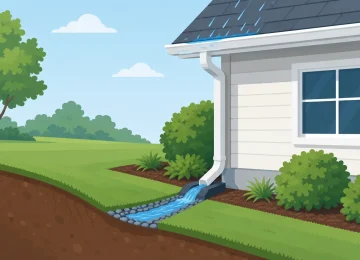
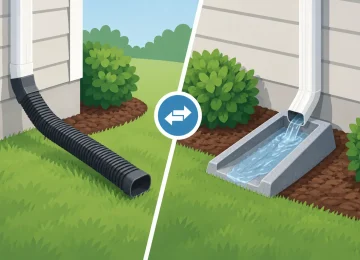
Where the water ends up matters just as much. Discharge near foundations, loading areas, sidewalks, or entrances may need to be redirected. The right solution depends on site grading, pavement, landscaping, drainage infrastructure, and local property conditions.
Roofline and exterior warning signs
A gutter problem can leave evidence on nearby building components. Water marks on soffits, peeling paint, mildew, rotted fascia, stained brick, or erosion in planting beds can point to recurring overflow. These signs do not always mean the gutter system is the only cause, but they deserve attention before repairs are selected.
A professional inspection also helps separate gutter-related water issues from roofing, siding, masonry, or grading concerns. That clarity helps property owners spend maintenance dollars where they will make the greatest difference.
Problems an Inspection Can Catch Early
Many gutter issues start quietly. A small seam leak may only drip during hard rain. One loose hanger may become noticeable only after snow and ice add weight. By the time water is pouring over an edge, the underlying issue may have been developing for months.
Common findings include:
- Leaves, roof grit, nesting material, or other debris blocking gutter channels and downspouts
- Loose hangers, separated joints, sagging runs, and damaged end caps
- Improper pitch that leaves water standing in sections of the gutter
- Downspouts that are undersized, disconnected, crushed, or draining too close to the building
- Overflow marks and exterior damage that indicate capacity or drainage concerns
Not every finding requires a full replacement. Cleaning, resealing joints, reattaching sections, adjusting pitch, or extending downspouts may be enough when the existing system is otherwise sound. Replacement becomes more sensible when corrosion, widespread damage, poor original sizing, or repeated repair needs make short-term fixes less cost-effective.
How Often Should a Commercial Gutter System Be Inspected?
For many commercial properties, an inspection at least twice a year is a practical starting point – typically in spring and late fall. Spring checks can identify damage after winter weather, while late-fall service addresses leaf buildup before cold temperatures and snow arrive.
Properties beneath mature trees may need more frequent cleaning and inspection during leaf-drop season. Buildings with flat or low-slope roofs, large roof areas, known drainage concerns, or high-traffic entrances may also warrant closer attention. After a major storm, strong wind event, or ice buildup, a prompt visual review can catch loose components and obvious blockages before the next rainfall.
The best schedule is based on the property, not a generic calendar. A contractor who specializes in gutters can help establish an inspection and maintenance plan that fits the building’s roof layout and exposure.
Inspection Is a Planning Tool, Not Just a Maintenance Task
Property managers often have to balance immediate repairs against annual maintenance budgets. A documented inspection makes those decisions easier. Instead of reacting to a complaint after water enters a doorway or stains a wall, the owner can address the most urgent issues first and plan larger work at the right time.
It also creates a clearer record of the system’s condition. That can be valuable when managing multiple properties, coordinating with maintenance teams, preparing for seasonal weather, or evaluating whether an older gutter system is worth repairing again. Photographs and straightforward recommendations help turn a vague concern into a defined scope of work.
There is a trade-off to consider. Cleaning alone can restore flow when debris is the primary problem, but it will not correct failing seams, inadequate capacity, or poor discharge locations. Likewise, replacing gutters without addressing downspout placement or recurring clogs may not solve the property’s water-management issue. The right recommendation should match the source of the problem.
Choosing a Contractor for Commercial Gutter Work
Commercial gutter work should be handled with attention to access, safety, building operations, and clean job execution. Property owners should look for a licensed and insured contractor with gutter-specific experience, clear communication, and a willingness to explain what was found and why a particular repair or replacement is recommended.
Ask whether the proposed work addresses the full water path, including gutters, downspouts, and discharge. Confirm what materials are being used, whether the system is properly sized for the roof area, and what warranty applies. For properties with tenants or customer traffic, scheduling and site cleanliness should also be part of the conversation.
Cavallari Gutters provides inspections, repairs, replacements, and customized gutter systems for commercial properties throughout New Jersey and Staten Island. A careful evaluation can help determine whether your building needs cleaning support, targeted repairs, gutter guards, or a more complete drainage upgrade.
Water will always find the lowest point. A well-maintained gutter system makes sure that point is safely away from the parts of your property you work hard to protect.
Leave a Reply