
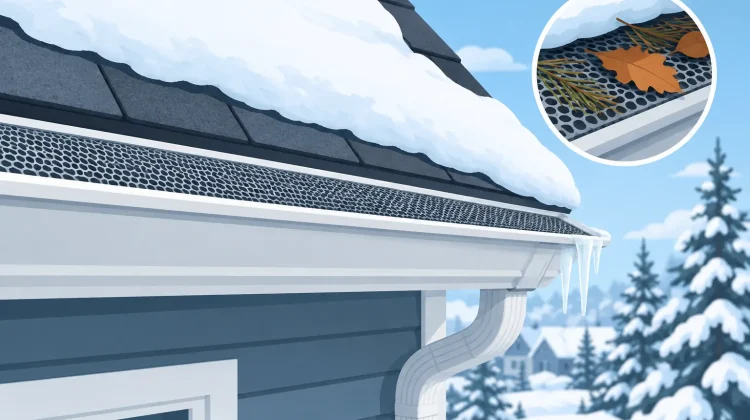
A gutter system can look clear on a mild fall afternoon and still become a problem after the first hard freeze. Wet leaves settle into downspouts, melting snow refreezes at the roof edge, and water that should be moving away from the building can spill over the gutter instead. So, are gutter guards good for winter? In many cases, yes – but only when the guards, gutters, roofline, and drainage setup are all in sound condition.
For homeowners and property managers in New Jersey and Staten Island, gutter guards can reduce one of winter’s most common drainage issues: debris that holds water in the gutter just as temperatures begin to drop. They are not a cure for ice dams or every cold-weather roofing problem. Their value comes from helping water move through a cleaner system before freezing weather makes routine maintenance more difficult.
Are Gutter Guards Good for Winter Conditions?
Quality gutter guards are generally a practical addition before winter because they limit the amount of leaves, pine needles, roof grit, and other debris that enters an open gutter. Less debris inside the channel means fewer clogs, fewer blocked downspouts, and a better chance that rain and melting snow can drain as intended.
That benefit matters most in late fall and early winter. A gutter filled with wet leaves can trap water for days. Once temperatures fall below freezing, that standing water can turn into a solid mass of ice. The added weight can strain gutter hangers, pull gutters away from the fascia, and create overflow that runs down siding, walks, and entry areas.
Guards also make it harder for nesting material and small debris to accumulate in the downspout opening. This is especially helpful on properties with mature trees, where a single windstorm can fill an uncovered gutter quickly. A guard does not eliminate every maintenance task, but it can make winter drainage more dependable by keeping the main channel clearer.
What Gutter Guards Can and Cannot Prevent
The right expectations are essential. Gutter guards help manage debris. They do not stop snow from landing on the roof, and they do not prevent ice dams caused by heat loss from the home.
An ice dam develops when heat escaping through the attic warms the upper portion of the roof. Snow melts, the water runs downward, and then it refreezes at the colder roof edge. As the ice builds, later meltwater may back up beneath shingles. This is primarily an insulation, ventilation, and roof-temperature issue, not a gutter guard issue.
A gutter guard can still support the system during these conditions by reducing internal blockages. When temperatures rise above freezing, a clean gutter and downspout give water a clear route away from the foundation. But if a roof has a significant ice dam, a guard cannot force water through ice or correct the underlying cause.
It is also possible for snow and ice to collect on top of some guard styles. This is not necessarily a product failure. Winter weather can coat nearly any exterior surface with ice. The key question is whether the system was installed correctly, is securely fastened, and has the capacity and slope to handle water when thawing begins.
Why Installation Quality Matters More in Winter
Gutter guards should never be treated as a one-size-fits-all add-on. A guard that performs well on one roof may not be the right match for another. Roof pitch, shingle style, nearby trees, gutter size, and the volume of water the roof sheds all affect the best approach.
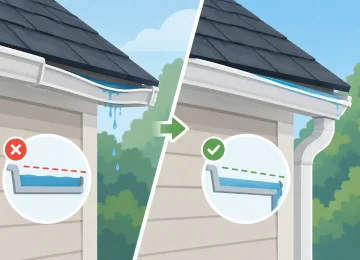
Proper installation starts with the gutter itself. If the gutter is sagging, pulling loose, poorly pitched, or undersized for the roof area, placing a guard over it will not solve the drainage issue. Water must be able to flow consistently toward clean, properly sized downspouts. The gutter also needs secure hangers capable of supporting normal water loads and winter conditions.
The guard must be fitted so it does not interfere with the roof edge or create a place where water overshoots the gutter during heavy rain. In freezing conditions, small installation details become more noticeable. A slight low spot can retain water. A blocked outlet can become an ice plug. A loose section may collect debris and allow water to spill behind the gutter.
This is why a professional evaluation is worthwhile before adding guards to an older system. In some cases, a repair, re-pitch, or replacement should come first. A clean-looking gutter is not always a functioning gutter.
Choosing a Guard for a New Jersey or Staten Island Property
No single gutter guard is ideal for every home or commercial building. Fine mesh guards are often effective at keeping smaller debris out, while other designs may work well where larger leaves are the primary concern. The best choice depends on the property and the condition of the existing gutters.
A few practical considerations should guide the decision:
- The types of trees around the property and how much debris they shed
- The roof pitch and the speed at which water runs toward the gutter
- The gutter size, downspout locations, and overall drainage capacity
- Whether the gutter system has existing leaks, sagging, or fascia damage
- How accessible the roofline is for seasonal inspection and service
Property managers should also consider the consequences of an overflow. On a commercial building, water spilling near entrances can create slippery walking surfaces. On a residence, repeated overflow can affect landscaping, stain siding, saturate soil near the foundation, or contribute to basement moisture issues. A guard system should support the full drainage plan, not simply keep leaves out of sight.
Winter Maintenance Is Still Necessary
Even well-installed gutter guards benefit from an inspection before winter. Leaves and twigs can rest on top of guards, particularly after a storm. Valleys above the gutter may collect debris that later washes down toward the roof edge. Downspouts can also clog lower in the system, where a guard cannot help.
Before consistent freezing weather arrives, check that gutters are firmly attached, outlets are open, and downspouts direct water away from the building. Look for visible sagging, water marks on siding, loose end caps, or soil erosion below the downspout discharge area. These signs often point to a drainage concern that should be addressed before snow and ice make access more difficult.
After a major winter storm, avoid climbing onto an icy roof or forcing tools through frozen gutters. That can damage the roof, bend the gutter, or create a serious safety hazard. If ice buildup is heavy or water is backing up near the roofline, it is better to have the condition evaluated than to risk making the problem worse.
When Gutter Guards May Not Be the First Fix
Gutter guards are a smart upgrade for many properties, but they are not always the immediate answer. If gutters are leaking at seams, pulling away from the fascia, or overflowing because they are too small, those issues need attention first. Likewise, if winter roof problems stem from poor attic insulation or ventilation, gutter guards should be part of the conversation, not the entire solution.
A thorough assessment can identify whether the system needs cleaning, repair, replacement, larger gutters, added downspouts, or guards installed after the underlying work is complete. This approach protects the investment and helps avoid paying for an upgrade that cannot perform as intended.
Cavallari Gutters helps homeowners and property owners evaluate the full drainage system, not just one visible symptom. Properly sized gutters, secure installation, clear downspouts, and the right guard option work together to move water where it belongs – away from the structure.
Before winter settles in, take a close look at how your gutters handled the last heavy rain. If you noticed overflow, standing water, loose sections, or repeated debris buildup, addressing it now can help protect your roofline, siding, foundation, and walkways when the next freeze-thaw cycle arrives.

Leave a Reply