
A gutter system usually does its job quietly until the day it does not. When water starts spilling over the edge during a storm, staining your siding, or pooling near the foundation, the signs of failing gutters are already there. The earlier you catch them, the easier and less expensive the fix tends to be.
For homeowners and property managers in New Jersey and Staten Island, that matters. Our weather puts gutters through a lot – heavy rain, wind, winter ice, leaf buildup, and freeze-thaw cycles that can turn a small weakness into a larger repair. Gutters are not just trim along the roofline. They are part of the drainage system that protects your roof, fascia, siding, foundation, walkways, and landscaping.
Why signs of failing gutters should not be ignored
When gutters stop moving water where it needs to go, the damage does not stay limited to the gutter itself. Overflow can soak fascia boards, create mildew on siding, wash out planting beds, and leave water sitting against the base of the building. On commercial properties, poor drainage can also create slippery entry points and staining around the facade.
Not every issue means a full replacement is needed. Sometimes a cleaning, a pitch correction, a new downspout, or a section repair is enough. But the longer a problem is left alone, the more likely it is that water reaches areas that are much more expensive to repair than the gutter system.
The most common signs of failing gutters
1. Water spilling over the sides
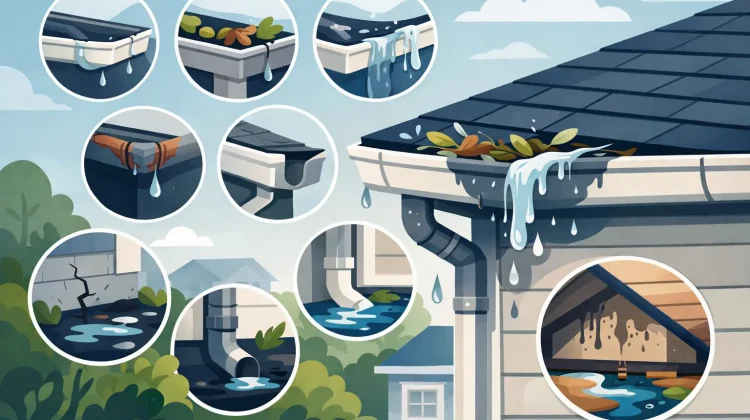
This is one of the clearest signs that something is wrong. During rain, water should move through the trough and into the downspouts. If it pours over the front or back edge, the system is either clogged, undersized, poorly pitched, or pulling away from the structure.
A lot of owners assume overflow only means leaves are packed inside. Sometimes that is true. Other times, the gutter is technically clean but still cannot handle the water volume because the slope is off or the downspouts are not carrying water away fast enough.
2. Sagging or sections pulling away
A gutter should sit securely and look straight along the roofline. If you notice low spots, gaps behind the gutter, or visible sagging, fasteners may be loosening or the material may be taking on too much weight from water and debris.
This is more than a cosmetic problem. Once a section starts to dip, water collects there instead of flowing out. That standing water adds weight, and the problem tends to worsen with each storm.
3. Visible cracks, splits, or holes
Small openings can look harmless on a dry day. In a storm, they become leak points that send water directly onto fascia, siding, windows, or the ground below. On older systems, these flaws often show up at seams, corners, and end caps first.
The trade-off here is straightforward. A few isolated cracks in an otherwise solid gutter may be repairable. If the material is brittle, rusted, or failing in several places, replacement usually makes more sense than repeated patching.
4. Peeling paint or orange rust marks
Paint that is peeling near the gutters, along trim, or down the siding often points to chronic moisture exposure. Rust spots on steel components or orange streaks running down the gutter face are another warning sign that water is not being controlled properly.
These symptoms do not always mean the gutter caused the entire problem, but they almost always justify a closer look. Persistent moisture around the roof edge can shorten the life of surrounding materials even if the gutter itself still appears mostly intact.
5. Water pooling around the foundation
A functioning gutter system should move water away from the building, not drop it at the base. If you see puddles near the foundation after rain, muddy trenches below downspouts, or erosion in mulch beds, the drainage path is likely failing.
Sometimes the gutter is fine and the downspout extension is the weak link. In other cases, the downspout is clogged, disconnected, or undersized for the roof area. It depends on the layout of the property, but standing water near the foundation should never be brushed off.
6. Basement or crawl space moisture
Not every wet basement starts with gutters, but bad gutter performance is a common contributor. When roof runoff is not directed away from the structure, water can work its way toward foundation walls and eventually into lower levels.
If basement dampness seems worse after storms, it is worth looking up before looking deeper underground. Correcting exterior water management can sometimes reduce a moisture problem that appears to be a foundation issue at first glance.
7. Mildew, staining, or rot near the roofline
Dark streaks, green growth, or soft wood around fascia and soffits are often signs that water has been escaping where it should not. This is especially common when gutters are clogged and water backs up under the roof edge or runs behind the gutter instead of through it.
Wood rot near the roofline tends to spread quietly. By the time it is obvious from the ground, the repair may involve more than the gutter alone. That is why routine inspections matter, especially on older homes and mixed-use properties.
8. Fasteners on the ground or loose joints
If you find gutter spikes, screws, or connector pieces below the roof edge, the system is telling you it has started to come apart. Expansion and contraction, storm movement, and age can loosen connections over time.
Loose joints are one of those issues that can look minor until a heavy rain exposes them. Water leaks through the connection, the section shifts more, and eventually the gutter loses alignment. A prompt repair can often prevent a larger section failure.
9. Frequent clogs or constant cleaning needs
All gutters need maintenance, especially in areas with mature trees. But if your system clogs again soon after every cleaning, there may be a design issue in addition to debris buildup. The gutter size, downspout placement, or overall pitch may not be doing the job well.
This is where a specialist can help more than a general handyman. A gutter-focused contractor can tell the difference between normal seasonal maintenance and a system that is fundamentally underperforming.
10. Landscaping damage and washout
When mulch beds are displaced, flowers get battered by runoff, or soil keeps washing away below the roof edge, the gutter system may be sending water down in the wrong place. This often happens when downspouts discharge too close to the building or when overflow pours off one section repeatedly.
Property owners sometimes treat this as only a landscaping problem. In reality, it is often a drainage problem first. The visible washout is just the clue that water is not being controlled.
When repair is enough and when replacement makes more sense
This is where experience matters. A newer gutter system with one leaking corner or a loose hanger may only need a targeted repair. If the material is still sound, a focused fix can restore performance without unnecessary cost.
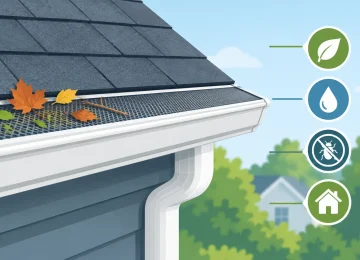
Replacement becomes the better option when problems are widespread, recurring, or tied to the original design. Multiple leaks, repeated sagging, rust throughout the system, or chronic overflow despite cleaning often point to a gutter that has reached the end of its useful life. For some buildings, upgrading the size, changing the downspout layout, or adding gutter guards may solve issues that simple repairs never fully address.
What property owners should do next
If you have noticed one or two of these signs, do not wait for the next major storm to confirm it. Gutter problems tend to show up during heavy weather, but the best time to address them is before the weather does the testing for you.
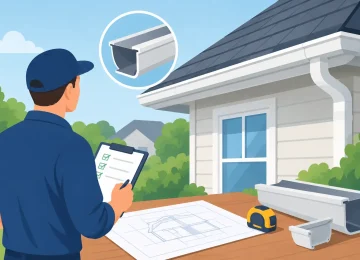
Start with a professional inspection. A qualified gutter contractor can check pitch, fastening, seams, drainage flow, and the condition of adjacent materials. For homes and commercial properties in New Jersey and Staten Island, Cavallari Gutters focuses on exactly this kind of real-world evaluation – identifying whether the problem is maintenance, repair, or a system that needs to be replaced with something better suited to the building.
It also helps to think beyond the gutter trough itself. Downspout placement, discharge distance, debris load, roof area, and even surrounding trees all affect performance. Good water management is rarely about one single piece. It is about how the whole system works together.
A dependable gutter system should not demand your attention every time it rains. If yours does, that is usually a sign worth taking seriously before a small drainage issue turns into exterior damage, interior moisture, or a repair bill that reaches well beyond the gutters.

Leave a Reply