
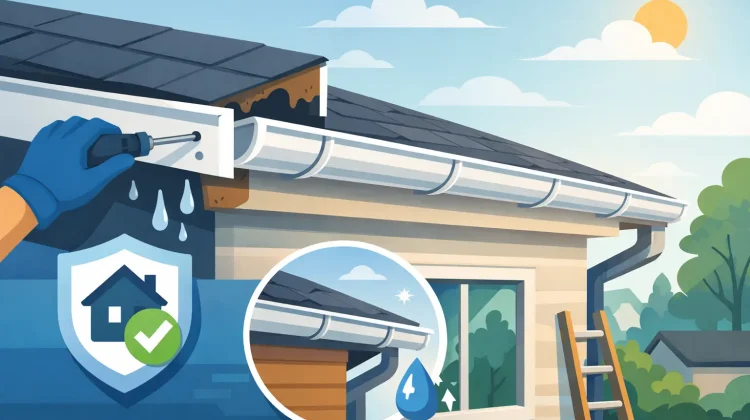
A gutter that pulls away from the house is rarely just a gutter problem. The board behind it may be soft, cracked, or rotting after years of water exposure. Timely gutter fascia repair restores a solid mounting surface for the gutter system and helps protect the roofline, siding, foundation, and landscaping below.
For homeowners and property managers in New Jersey and Staten Island, this issue often becomes obvious after a heavy storm. Water spills over the edge, a section of gutter sags, or peeling paint appears along the eaves. Addressing the cause before the damage spreads is usually less disruptive and less costly than waiting for a loose gutter or deteriorated board to fail.
What Fascia Does for Your Gutter System
Fascia is the long, straight board installed along the lower edge of the roof. It creates a finished roofline, supports the first row of roofing materials, and provides the surface where most gutter hangers are secured.
When fascia is in good condition, gutters can be pitched correctly toward the downspouts and fastened securely enough to handle rainwater, debris, snow, and ice. When the board begins to rot, even high-quality gutters and fasteners cannot perform as intended. Screws may loosen, gutter sections can shift, and water can end up running behind the gutter rather than into it.
Fascia damage is commonly linked to clogged gutters, overflowing water, improperly pitched gutter sections, leaking seams, missing drip edge, or roof leaks. In some cases, an older wood fascia board simply reaches the end of its service life. The right repair depends on whether the problem is limited to a small section or reflects a broader water-management issue.
Signs You May Need Gutter Fascia Repair
The most visible sign is a gutter that appears to dip, separate from the roofline, or sit at an uneven angle. This can happen because the hangers have pulled out of weakened wood, not necessarily because the gutter itself is defective.
Look closely for peeling paint, dark staining, swollen wood, visible cracks, soft spots, or gaps along the roof edge. If you see water dripping behind the gutter during rain, the fascia may already be taking on moisture. Small areas of discoloration can indicate a much larger problem behind the gutter where water has been repeatedly trapped.
Inside the property, water stains near exterior ceilings or walls can also point to a roof-edge issue. That said, these stains can come from several sources, including flashing or roofing failures. A professional inspection helps determine whether the fascia, gutter system, roof, or a combination of these components needs attention.
For commercial properties, warning signs may include water pooling near entrances, deteriorating exterior trim, stained façade materials, or recurring overflow at the same gutter run. These problems matter beyond appearance. Uncontrolled runoff can create slip hazards and contribute to premature wear around the building perimeter.
Why Fascia Rot Spreads Faster Than Expected
Wood does not need to be submerged to deteriorate. Repeated wetting followed by slow drying is enough to cause problems, especially where leaves and roof debris keep moisture against the board. Once paint or protective covering is compromised, water can move into the wood grain and begin to weaken the area around gutter fasteners.
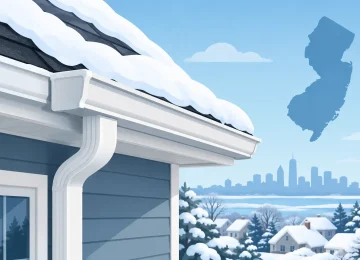
In New Jersey and Staten Island, freeze-thaw cycles can make the situation worse. Water absorbed by damaged wood expands when it freezes, opening cracks and allowing more moisture in. Snow and ice can also add significant weight to a gutter that is already anchored to weakened fascia.
The trade-off is straightforward: a small repair handled early may involve replacing a localized section of fascia and correcting the gutter issue that caused it. Waiting can mean replacing a longer run of fascia, repairing soffit or roof-edge materials, and reinstalling a gutter system that has been pulled out of alignment.
How Professional Gutter Fascia Repair Is Handled
A proper repair starts with identifying why the fascia failed. Replacing a damaged board without correcting an overflowing gutter, poor gutter pitch, or roof-edge leak only creates another repair down the road.
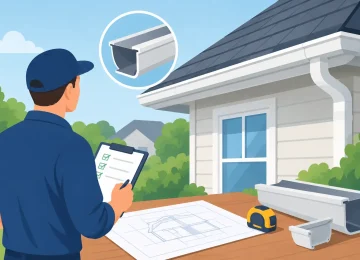
The work typically begins by inspecting the gutter run, downspouts, hangers, seams, and roofline. The gutter section may need to be carefully removed to expose the full condition of the fascia. This is especially important when the visible damage is limited but the board feels soft or the fasteners no longer hold.
Damaged fascia material is then removed and replaced with a sound board or appropriate exterior-grade material. The surrounding roof edge, drip edge, and soffit should be checked at the same time. If the gutter is structurally sound, it may be reinstalled with properly spaced hangers and the correct slope toward the downspout. If it is bent, undersized, heavily corroded, or repeatedly leaking, replacement may be the more practical long-term choice.
The finished system should direct water into the gutter, through the downspouts, and away from the foundation. That final drainage check matters. A repaired fascia board is protected only when the gutter system above it is doing its job.
Repair, replacement, or gutter upgrade?
A targeted repair makes sense when damage is confined to a short section and the existing gutter system still has good structural integrity. This is often the right answer for newer gutters affected by a local leak, a clogged downspout, or a failed hanger.
Full fascia replacement may be necessary when rot extends along much of the roofline, multiple gutter sections are pulling loose, or moisture has damaged adjacent materials. For an older home or building with recurring gutter problems, combining fascia work with new seamless gutters can avoid paying twice for removal and reinstallation.
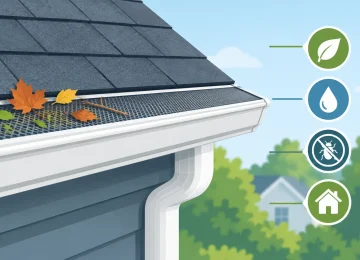
Gutter guards can also be worth considering after repairs, particularly on properties with heavy tree coverage. They are not a substitute for all maintenance, and occasional cleaning or inspection is still wise. However, a well-matched guard system can reduce the leaf buildup that causes many overflow-related fascia problems.
Why DIY Repairs Can Miss the Real Problem
Replacing a small fascia board may look simple from the ground, but roof-edge work involves ladders, hidden deterioration, gutter pitch, and water-flow details. A board can appear solid on the outside while being soft behind the gutter. It is also easy to reinstall a gutter at the wrong angle or use fasteners that do not reach solid framing.
Caulking a gap or driving a few new screws into damaged wood may temporarily improve the appearance, but it does not restore reliable support. In a heavy rainstorm, the weight of trapped water can pull the compromised section loose again.
A qualified gutter specialist can evaluate the entire drainage path, not just the obvious damaged spot. That approach helps prevent repeat repairs and gives property owners a clearer picture of what needs immediate attention versus what can be planned for later.
Protecting Fascia After the Repair
The best way to protect repaired fascia is to keep water moving where it belongs. Gutters should be cleaned when debris begins to accumulate, particularly after fall leaf drop and before seasons of frequent heavy rain. Downspouts should discharge far enough from the building to avoid foundation saturation and splashback on lower siding.
Watch for water overflowing in one area, as this may signal a clogged downspout, an undersized gutter, or improper slope. Also check that gutters remain firmly attached after major storms and winter weather. Early attention to a loose hanger or leaking seam can prevent the water exposure that starts fascia deterioration.
Cavallari Gutters provides focused gutter inspections, repairs, replacements, and guard solutions for residential and commercial properties throughout New Jersey and Staten Island. When the roofline shows signs of damage, a clear assessment and dependable workmanship can make the next step much easier.
If you notice sagging gutters, peeling fascia paint, or water running behind the gutter during rainfall, schedule an evaluation before the next storm turns a manageable repair into a larger exterior project.
Leave a Reply