

A new gutter system should do more than look clean along the roofline. It should direct water away from your foundation, siding, landscaping, and entryways when heavy rain arrives. When property owners search for gutter warranty what to expect, they are usually looking for one clear answer: if something goes wrong, who is responsible for making it right?
The answer depends on the type of warranty, the product installed, and how the system is maintained after the job is complete. A good contractor explains those details before installation, not after a leak appears. Knowing what your warranty covers helps you compare estimates fairly and protect the investment you are making in your property.
What a Gutter Warranty Usually Covers
Most gutter projects involve two separate types of protection: a manufacturer warranty and a workmanship warranty. They are both valuable, but they cover different issues.
A manufacturer warranty generally applies to the gutter material itself. For example, it may cover defects in the aluminum, steel, finish, or coating under normal conditions. If a product fails because of a verified manufacturing defect, the manufacturer may provide replacement material or another remedy described in its written terms.
A workmanship warranty comes from the installing contractor. It addresses installation-related issues, such as improperly secured gutters, failed seams, poor pitch, incorrectly placed downspouts, or leaks caused by the installation process. This is often the warranty that matters most when a new system does not drain as it should.
Coverage is not always identical from one project to another. A seamless aluminum gutter installation, a copper system, a commercial box gutter, and a gutter guard installation may each have different product terms. The warranty should match the materials and services listed on your proposal.
Material coverage is not the same as labor coverage
One of the most common misunderstandings is assuming that a product warranty automatically pays for every part of a repair. Many manufacturer warranties cover replacement material but do not cover removal, disposal, shipping, or labor to reinstall it. Some do include labor for a limited period, while others do not.
Ask for clarity before work begins. If a material issue appears several years later, will labor be included? Will the contractor inspect the issue first? Understanding these details avoids frustration if a claim is ever needed.
Gutter Warranty: What to Expect From Workmanship Coverage
A workmanship warranty should give you confidence that the contractor will stand behind the installation. If gutters leak at seams shortly after installation, pull away from the fascia, hold standing water because of an installation error, or send water toward the foundation due to improper downspout placement, those are concerns worth reporting promptly.
A dependable contractor will evaluate the condition on site before deciding whether the issue falls under warranty. That matters because water around a gutter system does not always originate with the gutters themselves. Roof damage, deteriorated fascia boards, ice buildup, clogged underground drains, settlement, or a downspout damaged by landscaping equipment can create similar symptoms.
A warranty is not a substitute for a proper inspection. It is a commitment to correct covered workmanship problems once the cause has been identified.
For New Jersey and Staten Island properties, this distinction is especially useful. Seasonal debris, wind-driven rain, freezing conditions, and older rooflines can all affect drainage performance. A contractor with gutter-specific experience can separate an installation concern from a maintenance or property condition that requires a different repair.
What Is Commonly Excluded
Every written warranty has limitations. Exclusions are not necessarily a warning sign. They define what the contractor and manufacturer can reasonably control.
Normal exclusions may include damage caused by severe storms, falling trees or branches, ice dams, ladders, pests, roof work, alterations by another contractor, or accidents. Warranties also commonly exclude problems caused by clogged gutters or downspouts, neglected maintenance, failing fascia, and drainage conditions beyond the installed system.
Color changes can be another area where expectations need to be realistic. Many painted gutter products are designed to resist fading and chipping, but exterior finishes naturally weather over time. The exact coverage for finish performance depends on the manufacturer and material selected.
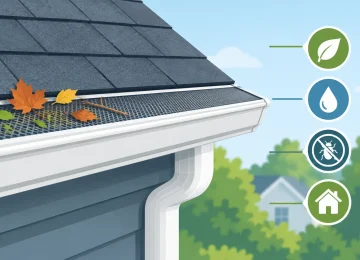
Gutter guards deserve the same careful reading. A guard can significantly reduce debris entering the gutter, but no system should be marketed as requiring zero attention forever. Fine debris, roof grit, seed pods, and material resting on top of the guard can still affect water flow. Follow the maintenance guidance provided for the specific guard system installed.
Maintenance Helps Keep Coverage Intact
A warranty protects against covered defects. It does not eliminate the need for regular care. Keeping gutters clear is one of the best ways to prevent overflow, excess weight, corrosion, and water damage around the roofline.
For many homes, a spring and fall inspection is a practical starting point. Properties with many trees, pine needles, heavy moss, or nearby construction debris may need more frequent attention. During an inspection, look for water spilling over the front edge, sagging sections, loose hangers, visible staining, leaking seams, and downspouts that empty too close to the foundation.
Cleaning support can be especially helpful for owners who cannot safely access a roofline or who manage several properties. The goal is not simply to remove leaves. It is to confirm that water is moving through the entire system and away from the building as intended.
Keep records of cleaning, repairs, and any storm-related damage. Photos and service invoices can make it easier to explain the history of an issue if you need warranty assistance later.
Questions to Ask Before You Approve the Estimate
You do not need to become a gutter expert to make a confident decision. You do need direct answers about what is being installed and who stands behind it.
Before approving an estimate, ask whether the warranty covers materials, workmanship, or both. Confirm the length of each warranty, whether labor is included, and whether any registration is required. It is also wise to ask how a service request is handled, whether the warranty transfers if the property is sold, and what maintenance is expected from the owner.
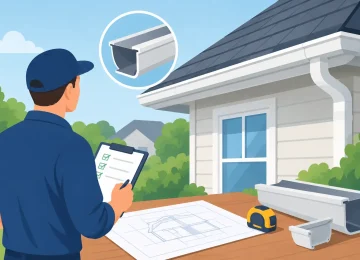
Make sure the proposal identifies the gutter size, material, color, downspout plan, and any gutter guard product being installed. Details matter because proper drainage is determined by the whole system, not just the gutter channel. A larger roof area, a low-pitch roof, or a commercial building may require additional capacity or more carefully planned downspout locations.
A lower price can be appealing, but it is not always the better value if the estimate is vague about materials, drainage design, warranty terms, or follow-up service. Clear documentation is part of professional work.
When to Contact Your Contractor
Do not wait until minor water issues become costly exterior damage. Contact the installer if you see repeated leaks in the same location, pooling water in a newly installed gutter, overflow during ordinary rainfall, fasteners pulling loose, or water draining against the foundation despite a new downspout system.
If the issue follows a major storm or impact, contact the contractor even if it may not be covered. A prompt inspection can identify whether the system needs a warranty adjustment, a repair, or an insurance-related assessment. Early action is often less expensive than waiting for damaged fascia, stained siding, or foundation moisture to develop.
Cavallari Gutters believes a warranty should support the quality of the job, not replace good communication. Request written warranty information, keep up with basic maintenance, and address drainage concerns early. That approach gives your gutter system the best chance to protect your property for years to come.

Leave a Reply