
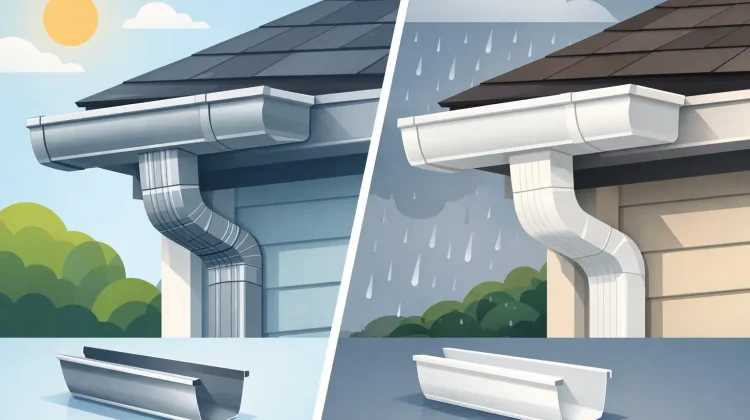
When a gutter system starts sagging, leaking, or pulling away from the fascia, most property owners ask the same question: aluminum gutters vs vinyl – which one is actually worth installing? The answer depends on more than upfront price. It comes down to how well the system handles weather, how long it holds up, what kind of maintenance you can expect, and how much protection you want for the home or building below it.
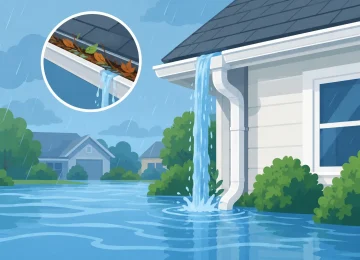
In New Jersey and Staten Island, that decision matters. Gutters are not decorative trim. They direct water away from foundations, siding, landscaping, walkways, and roof edges. If the material fails early or cannot handle local weather conditions, the damage often shows up somewhere else first.
Aluminum gutters vs vinyl in real-world conditions
On paper, both materials do the same job. They collect rainwater from the roof and move it toward downspouts. In practice, they perform very differently over time.
Vinyl gutters are often chosen because they cost less upfront and are widely available. They do not rust, and the material is lightweight, which can make installation look straightforward. For a homeowner focused mainly on initial price, vinyl may seem like the easy choice.
Aluminum gutters cost more than vinyl, but they are generally the stronger and more dependable option. They are better suited for long-term performance, especially on properties exposed to heavy rain, snow load, temperature swings, or ladder traffic during maintenance. For many homes and commercial buildings, aluminum offers better value because it tends to last longer and require fewer replacements.
That does not mean vinyl has no place. It can be a workable solution in some mild conditions or on tighter budgets. But if the goal is durable water management and fewer material-related issues, aluminum usually has the advantage.
Cost is only one part of the decision
Vinyl gutters usually win on initial purchase price. If you are comparing basic materials only, vinyl often looks like the budget-friendly route. That can be attractive when replacing a short run of gutter or trying to keep a project affordable.
The problem is that lower upfront cost does not always mean lower overall cost. If a vinyl system becomes brittle, separates at the joints, or needs replacement earlier than expected, the savings can disappear fast. Labor, repair visits, water damage, and repeat installation all affect the real cost over time.
Aluminum gutters cost more initially, but they are often the better investment for owners who want fewer problems down the road. When installed properly, they hold shape better, perform more consistently, and can be customized to fit the structure more precisely.
For budget-conscious property owners, this is usually the right way to frame it: vinyl may cost less today, while aluminum may cost less over the life of the system.
Durability and lifespan
This is where the difference becomes clearer.
Vinyl gutters are more vulnerable to cracking, warping, and joint failure. Sun exposure, freezing temperatures, and repeated expansion and contraction can wear the material down. In colder climates, that matters. A system that looks fine in the first season may become more brittle over time, especially after several winters.
Aluminum gutters generally handle those conditions better. They do not become brittle the way vinyl can, and they are less likely to crack under temperature stress. They can still dent if hit hard enough, but in normal use they tend to provide a longer service life and more consistent structural performance.
That makes a difference on larger rooflines, areas with heavier runoff, and buildings where dependable drainage is not optional. A material that stays intact and properly sloped helps prevent overflow and keeps water moving where it belongs.
How weather affects each material
In areas with freeze-thaw cycles, snow, and summer heat, vinyl is at a disadvantage. It expands and contracts more, and over time those movements can loosen seams or cause sections to shift. If debris builds up and water sits in the gutter, the added weight can make the problem worse.
Aluminum still expands and contracts, but it tends to hold up better under those changing conditions. For local property owners dealing with storm season, winter weather, and year-round exposure, that reliability is one reason aluminum is so commonly recommended.
Installation and fit
Vinyl gutters are often sold in sections that snap or connect together. That can make them appealing for quick installs, but sectional systems create more seams. More seams mean more potential leak points over time.
Aluminum gutters are commonly fabricated to suit the property, including seamless options that reduce the number of joints across long runs. Fewer joints usually mean fewer places for leaks to develop. That matters on homes with longer roof sections and on commercial properties where drainage consistency is especially important.
Fit also affects appearance. Aluminum systems are available in a wider range of colors and profiles, which helps when matching the building exterior. Property owners who care about curb appeal usually appreciate that flexibility.
Maintenance and repairs
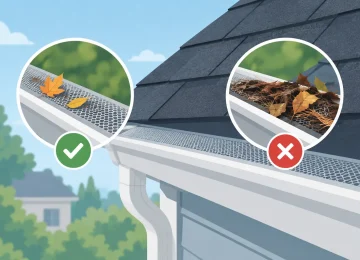
No gutter material is maintenance-free. Leaves, roof grit, and other debris still need to be managed. But the type of maintenance and repair you face can be very different.
Vinyl gutters can be easy to replace in small sections, but they are also more likely to develop issues at the seams and connectors. If one part becomes brittle or cracks, nearby sections may not be far behind. Over time, that can turn into repeated patchwork.
Aluminum gutters typically offer a more stable system. Repairs may involve resealing, rehanging, or replacing damaged sections, but the material itself tends to remain serviceable longer. On a properly installed system, maintenance is more often about keeping water flow clear than dealing with material failure.
For owners who want a cleaner long-term solution, aluminum usually makes the maintenance picture simpler.
Appearance matters, but performance matters more
Vinyl gutters can look fine at first, especially on modest residential projects. But fading, sagging, and visible joints can become more noticeable with age.
Aluminum generally gives a sharper finished look and stays more consistent over time. Because it is available in multiple colors and can be formed to fit the structure more cleanly, it often works better for homeowners who want the gutter system to blend in rather than stand out.
Still, appearance should not drive the choice alone. A gutter system exists to protect the structure. If a lower-cost option looks acceptable but fails sooner, that cosmetic advantage does not last very long.
Which option is better for homes and commercial properties?
For most residential homes, aluminum is the more dependable choice. It offers better durability, better long-term value, and better performance in mixed weather. If the house has multiple rooflines, valleys, or larger drainage demands, the case for aluminum gets even stronger.
For commercial properties, mixed-use buildings, and managed properties, aluminum is usually the practical answer. Property managers and owners need materials that hold up, perform consistently, and reduce the chance of frequent service calls. In that setting, vinyl often makes less sense.
Vinyl may still be considered for smaller projects, temporary budget limitations, or mild-use applications. But it is usually chosen because of price, not because it outperforms aluminum.
Aluminum gutters vs vinyl: when each one makes sense
If you are looking for the lowest upfront material cost and understand the trade-offs, vinyl may be enough for the short term. It can work on certain homes where budget is the deciding factor and long-term durability is less of a priority.
If you want a gutter system that is more likely to handle local weather, stay secure, and protect the property for years, aluminum is typically the better fit. That is especially true when drainage problems have already caused concern around siding, foundations, landscaping, or roof edges.
For many property owners, the real question is not which material is cheapest. It is which material gives you confidence the next time a hard rain comes through.
A professionally sized and properly installed aluminum system usually answers that question better. Cavallari Gutters works with property owners who want that kind of dependable protection, with solutions built around the structure instead of a one-size-fits-all product. If you are weighing your options, the best next step is to look at the building, the runoff demands, and how long you want the system to perform before you have to think about it again.
Leave a Reply