
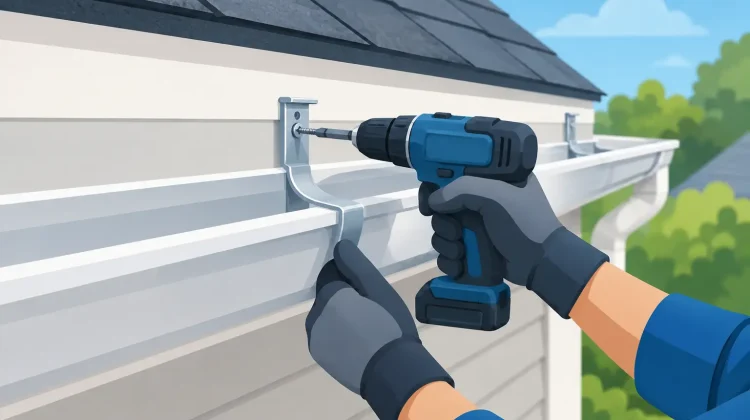
A gutter can be the right size, properly pitched, and connected to a working downspout, yet still fail during a hard New Jersey storm if it is not secured correctly. Gutter hangers installation is what keeps the system tight to the fascia, supported under the weight of moving water, and able to do its job season after season. When hangers loosen, bend, or pull away, water management problems can quickly become roofline, siding, foundation, and landscaping problems.
Why Gutter Hangers Matter More Than They Seem
Hangers are the brackets or fasteners that secure a gutter to the building. Their work is simple but demanding: they must support the gutter itself, rainwater flowing through it, and the added weight of wet leaves, ice, or snow. In northern New Jersey and Staten Island, those loads can be substantial.
A sagging gutter is not merely an appearance issue. Low spots collect standing water and debris. The water can then spill over the front edge, run behind the gutter, stain siding, soak trim, or pool near the foundation. If the gutter separates from the fascia, water may reach areas of the roof structure that should remain dry.
The hanger system also affects how long the rest of the installation lasts. Gutters expand and contract with changing temperatures. Fasteners that are poorly placed, too widely spaced, or attached to deteriorated wood cannot provide stable support. Over time, the gutter line may twist, pull away, or lose the slope needed to direct water to the downspouts.
What Proper Gutter Hangers Installation Involves
A reliable installation starts before the first hanger is fastened. The installer needs to inspect the fascia board, roof edge, existing gutter condition, and drainage layout. A new gutter attached to soft, rotted, or damaged fascia is only as secure as the material beneath it. In some cases, the fascia should be repaired before gutter work begins.
The gutter must then be set at the correct pitch. It should have a gradual slope toward the downspout so water moves out efficiently without making the gutter look visibly uneven from the ground. This is a small adjustment, but it has a major effect on drainage. A system with too little pitch can hold water. Too much pitch can look poor and reduce capacity at the high end of a long run.
Hangers are typically installed inside the gutter and secured with long screws through the gutter and into solid fascia material. This style provides a clean exterior appearance and dependable support when installed correctly. The exact spacing depends on the gutter material, run length, roof design, expected debris load, and local weather exposure. Areas near corners, downspouts, and seams often need especially careful support because they experience more stress.
The goal is not simply to use more hardware. It is to place the right hangers in the right locations, with fasteners that hold securely and a gutter line that remains straight and properly pitched.
Hanger Spacing Is Not a Guess
A common cause of premature gutter failure is wide hanger spacing. A gutter may look fine on a dry day, then bow under the weight of a heavy rainfall or a buildup of wet leaves. Once it begins to sag, water settles in the low area and adds even more weight.
Closer spacing can offer stronger support, particularly on long gutter runs or properties that receive frequent leaf buildup. However, the right approach depends on the structure and the gutter system. An experienced gutter contractor evaluates the whole run rather than applying one spacing rule to every building.
The Fascia Board Must Be Sound
A screw can feel tight at installation and still fail if it is driven into compromised wood. Signs of fascia trouble include peeling paint, soft spots, dark staining, visible rot, or gutters that have already pulled away from the roofline.
Sometimes a gutter repair can be completed by replacing failed hangers and refastening the system. Other times, the lasting solution requires fascia repair before the gutter is reinstalled. Addressing that condition upfront helps avoid paying for the same problem twice.
Signs Your Existing Hangers Need Attention
Homeowners and property managers often notice gutter trouble during or after a storm. Water spilling over the edge, dripping behind the gutter, or pouring from an unexpected low point deserves a closer look. So do gutters that appear wavy, separated from the fascia, or tilted away from the building.
Other warning signs are less obvious. You may see nail or screw heads backing out, stains on siding below the roofline, cracking at gutter seams, or standing water that remains long after rain has stopped. A gutter that rattles or shifts when cleaning is also a concern.
Do not assume the visible section is the only section affected. One failed hanger can place extra strain on the hangers beside it. If several fasteners are loose, the issue may involve the gutter pitch, the fascia condition, or an installation that was not designed for the load it carries.
Repair or Replace: Which Makes Sense?
If a few hangers have loosened but the gutter remains in good condition, a targeted repair may be appropriate. The contractor can inspect the fasteners, confirm that the fascia is sound, reset the pitch, and add or replace supports where needed.
Replacement is often the better value when the gutter has widespread sagging, multiple leaking seams, corrosion, cracks, or repeated pull-away problems. Older sectional gutters can develop weaknesses at joints, while a properly fitted seamless gutter system has fewer seams along the run. A replacement project also creates an opportunity to correct undersized gutters, insufficient downspouts, or drainage layouts that send water too close to the building.
For commercial properties, the decision may involve longer gutter runs, flat or low-slope roof transitions, and a greater need to protect walkways, entrances, and tenant areas. A professional inspection helps determine whether a repair will provide dependable service or only postpone a larger issue.
Why DIY Work Can Be Risky
Replacing a single accessible hanger may seem straightforward, but gutter work involves more than reaching the roofline with a ladder. The installer must work safely at height, identify solid fastening points, preserve the correct slope, and avoid damaging shingles, drip edge, siding, or trim.
There is also a material question. Hangers, screws, and gutters should be compatible to reduce corrosion and maintain strength. Using whatever fastener is available can create problems that do not show up until months later.
DIY work can be reasonable for minor maintenance by an experienced property owner, such as clearing debris from a safely accessible gutter. But when the gutter is pulling away, water is getting behind it, or the fascia may be damaged, professional service is usually the safer and more cost-effective path.
Protecting New Hangers After Installation
Even well-installed hangers need a gutter system that is maintained. Leaves, roof grit, seed pods, and other debris can block water flow and create weight that no hanger system should be expected to carry indefinitely. Regular cleaning is especially helpful after fall leaf drop and before periods of heavy rain.
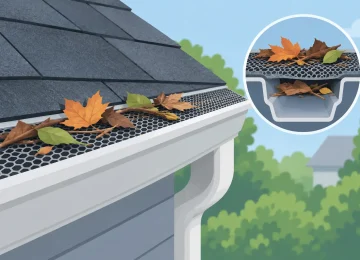
Gutter guards can reduce the amount of debris that enters the system, but they are not a replacement for inspection. The right guard depends on the roof, nearby trees, gutter size, and the type of debris common around the property. A good installation should allow water to enter the gutter while helping limit clogs that contribute to overflow and excess weight.
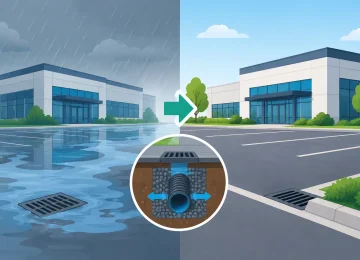
It also helps to check that downspouts discharge water away from the foundation. Strong hangers keep the gutter in place, but the complete system must move water away from the structure to provide real protection.
For property owners who want a clear answer instead of a temporary fix, Cavallari Gutters can evaluate the gutter line, hanger condition, fascia attachment, and drainage performance as one system. A careful inspection now can prevent the next heavy storm from turning a loose gutter into a more expensive exterior repair.

Leave a Reply