

A gutter problem rarely stays a gutter problem for long. Water that spills over the edge of a roofline can soak siding, wash out landscaping, stain masonry, damage soffits, and collect near the foundation. The right gutter contractors look beyond the visible leak to determine where water is going, why the system is failing, and what will protect the property through the next heavy storm.
For homeowners and commercial property owners in New Jersey and Staten Island, that level of attention matters. Our weather can bring heavy rain, wind-driven debris, freezing temperatures, and seasonal leaf buildup. A properly designed gutter system is a practical part of protecting the building, not simply a finishing detail along the roof.
What Gutter Contractors Should Evaluate First
A dependable contractor does not start by assuming every property needs the same replacement system. The roof size, pitch, drainage pattern, exterior materials, and landscape all affect how gutters should be installed or repaired. A small section of overflow may be caused by a clogged downspout, but it can also point to an undersized gutter, improper slope, loose hangers, or a roof valley sending too much water into one area.
During an evaluation, the contractor should look at the full water-management path. That includes the condition of the existing gutters, seams, corners, outlets, downspouts, fasteners, fascia boards, and the areas where water discharges at ground level. This helps separate a simple repair from a system that has reached the end of its useful life.
Clear communication is part of the service. Property owners should understand what is causing the issue, which work is recommended, and whether there are options based on budget, appearance, and long-term maintenance goals. A lower upfront cost can make sense for a limited repair, while a replacement may be the better value when repeated leaks and patchwork are becoming routine.
When Repair Makes Sense and When Replacement Is Smarter
Not every leaking gutter needs to be replaced. If the system is generally secure and the damage is limited, a professional repair may restore performance. Refastening loose sections, resealing a leaking corner, correcting a short run, or replacing a damaged downspout can often address a specific problem without unnecessary work.
Replacement deserves serious consideration when gutters are pulling away from the house, sagging across multiple sections, repeatedly leaking at seams, severely dented, rusted, or undersized for the roof. Water damage behind the gutter is another warning sign. Installing new gutters without addressing deteriorated fascia or drainage issues may only hide the problem temporarily.
Seamless gutter systems are often a strong choice because they reduce the number of joints where leaks can develop. They are custom formed to fit the property, creating a cleaner appearance and helping water move efficiently toward the downspouts. Still, seamless does not mean maintenance-free. Proper slope, secure installation, adequate outlet placement, and clear downspouts remain essential.
Choosing the Right System for the Building
Gutter size and material should match the demands of the property. Standard residential systems work well in many situations, but larger gutters and downspouts may be needed for steep roofs, large roof planes, or areas where valleys concentrate substantial runoff. Commercial buildings may require a different approach altogether, especially where flat or low-slope roofing and larger drainage areas are involved.
Color also matters. Gutters should perform well without distracting from the exterior. A customized system can complement siding, trim, roofing, brick, or other architectural details while providing the drainage capacity the building needs.
The placement of downspouts deserves equal attention. Even a well-installed gutter can create problems if too few downspouts are trying to handle too much water or if discharge is directed too close to the foundation. Water should be moved away from the building in a controlled manner that protects walkways, planting beds, and lower-level entrances.
Why Specialized Gutter Contractors Matter
Many exterior contractors offer gutter work as one item on a broad service list. There is value in hiring a professional whose core trade is gutters, because details make the difference between a system that looks acceptable on installation day and one that continues to perform through changing seasons.
A gutter specialist understands how to set the correct pitch without creating an uneven appearance, how to secure hangers for lasting support, and how to account for rooflines that create concentrated flow. They also know that a clean installation includes protecting the property during the work, removing job-related debris, and making sure the homeowner is not left with unanswered questions afterward.
Before hiring, confirm that the contractor is licensed and insured and ask about workmanship and product warranties. Request a clear scope of work that identifies the materials, gutter size, downspout plan, repairs to be completed, and any conditions that could affect the project. A contractor who communicates directly before the work begins is more likely to provide the follow-through customers expect after the job is complete.
Gutter Guards: Useful Protection With Realistic Expectations
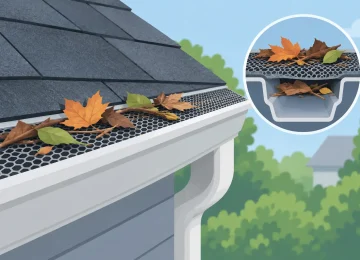
Gutter guards can reduce the amount of leaves, twigs, and debris that enter a system. For properties with mature trees or difficult-to-access rooflines, they can make maintenance easier and help reduce clogs that lead to overflow. They are not a substitute for a properly sized, properly pitched gutter system.
The best guard option depends on the type of debris around the property, the roof design, and the condition of the existing gutters. Some products handle larger leaves well but may allow fine debris to collect. Others provide more filtration but need to be installed carefully so water flows into the gutter rather than over the edge during heavy rain.
For that reason, gutter guards should be paired with periodic cleaning and inspection support. Even guarded systems benefit from checking the roof valleys, outlets, and downspouts, particularly after major storms or during the fall leaf season. A practical maintenance plan helps catch small issues before they become expensive exterior repairs.
Warning Signs That Should Not Wait
Overflow during a downpour is the most obvious warning, but many drainage problems appear in quieter ways. Watch for water streaks on siding, peeling paint near the roofline, mildew around exterior walls, eroded mulch, standing water near the foundation, or gutters that appear uneven from the ground.
Inside the building, musty odors, damp basement walls, or recurring moisture near an exterior wall can sometimes be connected to poor roof drainage. These conditions can have more than one cause, so a careful inspection is needed. The goal is not to guess. It is to identify where water is entering, where it should be going, and what correction will hold up over time.
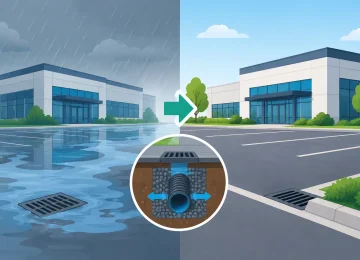
Commercial property owners and managers should also pay attention to drainage around entrances, loading areas, parking surfaces, and pedestrian walkways. Overflowing gutters and poorly directed downspouts can create slippery conditions, accelerate surface deterioration, and affect the appearance of the property for tenants and visitors.
Local Workmanship That Supports Long-Term Protection
Cavallari Gutters approaches every installation, repair, replacement, and gutter guard project with the understanding that drainage work protects more than the roof edge. It supports the siding, foundation, landscaping, and day-to-day condition of the property. That is why material selection, installation details, responsive communication, and follow-up all matter.
If your gutters are leaking, overflowing, sagging, or simply no longer keeping water away from the building, a professional estimate can provide a clear path forward. Addressing drainage concerns before the next major storm gives you the best chance to protect the areas of your property that water can quietly damage over time.

Leave a Reply