

A buyer may not walk up to a home and compliment the gutters first. But they will notice the consequences of gutters that are missing, sagging, overflowing, or sending water toward the foundation. So, can gutters increase home value? In many cases, yes – not because gutters are a flashy upgrade, but because a properly designed system protects the features buyers value most: the roofline, siding, foundation, landscaping, and overall condition of the property.
For homeowners in New Jersey and Staten Island, where heavy rain, snow, ice, and falling leaves put drainage systems to work year-round, gutters are more than a finishing detail. They are a practical investment in protecting the property from avoidable water damage.
Can Gutters Increase Home Value? They Can Protect It
A new gutter system does not usually add value in the same way a renovated kitchen or finished basement might. It is a maintenance and protection upgrade, which means its greatest value is often in preventing losses rather than creating an immediate dollar-for-dollar return.
That distinction matters when preparing a home for sale. Buyers and home inspectors pay close attention to signs of moisture problems. Stained siding, washed-out mulch, wet basement walls, peeling paint, rotted fascia boards, and cracks near the foundation can all raise questions about drainage. Even if the underlying issue is manageable, visible water damage can make a buyer cautious or lead them to request repairs or credits.
A well-installed gutter system helps direct roof runoff safely away from the building. When water is controlled at the roofline, it is less likely to collect around the foundation, spill onto walkways, damage exterior finishes, or erode landscaped areas. That protection supports a home’s condition over time, which is one of the strongest contributors to its marketability.
For a homeowner who plans to stay put, the value is often peace of mind and fewer costly repairs. For a seller, it can mean presenting a better-maintained property with fewer obvious drainage concerns. For commercial owners and property managers, dependable gutters can help protect entrances, facade materials, tenant areas, and surrounding pavement.
What Buyers and Inspectors Notice Around Gutters
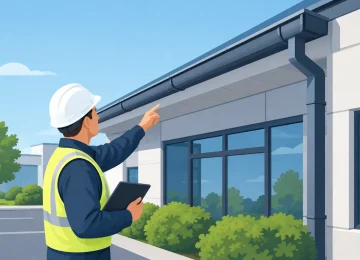
Gutters may be easy to overlook from the ground, but poor drainage leaves clues. A buyer, realtor, or inspector can often spot problems quickly during a walk around the property.
They may notice water stains beneath the eaves, rusted or separated gutter sections, downspouts that end too close to the foundation, or gutters pulling away from the fascia. Overflow marks and dark streaks can suggest clogs, improper pitch, undersized gutters, or a system that has not been maintained. On older homes, damaged fascia and soffit areas may indicate that water has been spilling behind the gutter for some time.
These conditions do not always mean a home has serious structural damage. Still, they can create uncertainty. Buyers tend to view visible exterior maintenance issues as a sign that other repairs may be waiting beneath the surface. A clean, securely fastened gutter system with properly placed downspouts gives a different impression: the property has been cared for, and its water management has been taken seriously.
Curb Appeal Has a Practical Side
Gutters contribute to curb appeal when they fit the home rather than distract from it. Straight, clean lines along the roof edge help the exterior look finished. Selecting a gutter color that complements the siding, trim, or roof can make the system less noticeable while still providing dependable performance.
Appearance alone should not drive the decision. The right gutter size, downspout placement, and drainage plan are more important than color. But when a customized system performs well and suits the building’s exterior, it supports both function and presentation.
Drainage Problems Can Affect More Than the Foundation
Foundation protection is often the first reason people think about gutters, but poorly managed runoff can affect several parts of a property. Water overflowing near entryways can create slippery surfaces. Runoff can damage shrubs, flower beds, and mulch, while constant splashing can stain brick, stone, vinyl, or painted siding.
Water can also work its way behind exterior trim and roof-edge materials. Over time, this may contribute to wood rot and repairs around the fascia, soffit, or roofline. A properly fitted system is designed to collect water where it falls and carry it to an appropriate discharge point instead of allowing it to repeatedly soak the same areas.
When New Gutters Are Most Likely to Help
Replacing gutters is especially worthwhile when the existing system has clear performance problems. Frequent overflow during rain, detached sections, leaking seams, bent runs, and recurring clogs are all signs that repair or replacement should be evaluated. A system may also be too small for the roof area or lack enough downspouts to handle heavy storms.
Seamless gutters are often a strong option because they reduce the number of joints along each run, where leaks commonly develop. The material and profile should be chosen based on the building, roof drainage needs, and budget. Larger gutters can be beneficial for certain roofs, but bigger is not automatically better if the pitch, hangers, outlets, and downspout locations are not planned correctly.
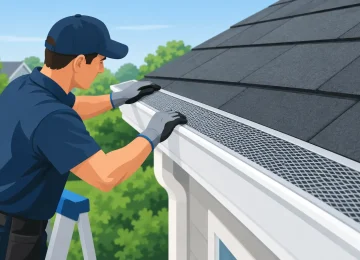
Gutter guards can also add value for the right property. Homes surrounded by mature trees may benefit from guards that reduce debris buildup and make regular maintenance more manageable. They are not a substitute for professional inspection or occasional cleaning, particularly after major storms, but they can help keep water moving and reduce the risk of clogs.
The key is to solve the actual drainage issue. Installing new gutters without addressing poor downspout discharge, damaged fascia, or a roof valley that concentrates a large amount of water may leave the homeowner with the same problem in a newer system.
The Trade-Off: Gutters Are Not a Shortcut to a Higher Sale Price
It is reasonable to be realistic about the return on a gutter project. A buyer is unlikely to pay a major premium solely because a house has new gutters. If the rest of the exterior needs significant work, new gutters will not erase concerns about an aging roof, damaged siding, or foundation movement.
Still, the absence of gutter problems can protect a sale from unnecessary friction. A buyer comparing two similar homes may feel more confident in the one that has a clean roofline, dry-looking foundation areas, controlled drainage, and no visible signs of neglect. That confidence can be meaningful, especially in a competitive market.
Gutters also help preserve the value of other exterior investments. New siding, fresh paint, stonework, landscaping, and foundation repairs all deserve protection from uncontrolled roof runoff. Viewed this way, gutters are part of the property’s preventive maintenance plan, not an isolated upgrade.
Choosing a System That Supports Long-Term Value
A gutter system should be matched to the building rather than selected from a one-size-fits-all package. Roof size and slope, the number of valleys, nearby trees, drainage patterns, and exterior materials all affect the right design. Proper installation matters just as much as the product itself. Gutters need secure fastening, correct pitch, carefully sealed connections, and downspouts positioned to move water away from vulnerable areas.
Before listing a home, it is wise to inspect the system after a steady rain. Look for overflow, leaking corners, standing water inside the gutter, loose brackets, and discharge points that leave water pooling near the house. Cleaning out debris may be enough in some cases. In others, a repair or replacement provides a more reliable solution and a cleaner appearance for potential buyers.
Cavallari Gutters helps New Jersey and Staten Island property owners evaluate drainage concerns and install customized gutter systems built for the property’s needs. Licensed, insured workmanship and clear communication matter because water problems should be addressed correctly, not temporarily covered up.
If your gutters are showing their age, do not wait for water stains or foundation concerns to make the decision for you. A professional assessment can clarify whether a repair, cleaning, gutter guard installation, or full replacement is the most sensible next step – and help keep your property ready for the next storm or the next buyer.

Leave a Reply