
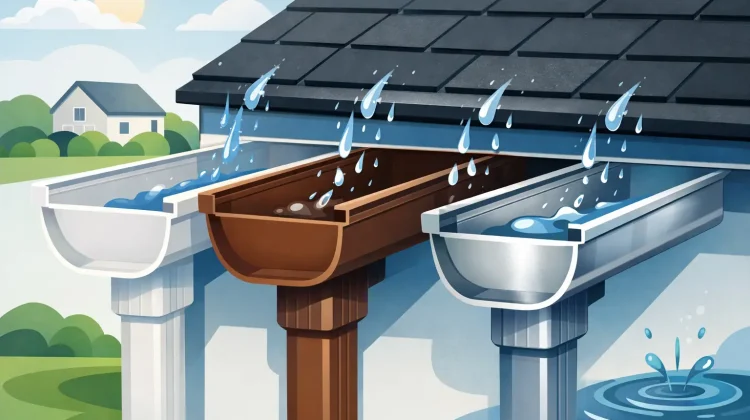
A gutter system may look like a simple line along the roof edge, but its material affects how well it handles heavy rain, snow, debris, temperature swings, and years of exposure. This gutter materials comparison is designed to help New Jersey and Staten Island property owners make a practical choice based on their building, budget, and long-term maintenance expectations.
The right answer is rarely just the least expensive material. A gutter needs to be correctly sized, pitched, secured, and connected to effective downspouts. Still, choosing a material that fits the property can prevent premature leaks, sagging, corrosion, and costly water damage around the foundation, siding, roofline, and landscaping.
Gutter Materials Comparison: What Matters Most
When comparing gutter materials, start with the conditions around your property. A small ranch home with a straightforward roof may need a different system than a large colonial with long roof runs, mature trees, and multiple valleys. Commercial buildings and mixed-use properties may require larger-capacity systems that can move substantial amounts of water quickly.
Material cost, expected lifespan, appearance, maintenance needs, and resistance to weather all matter. So does installation quality. Even a premium gutter material can fail if it has poor slope, undersized downspouts, weak fastening, or seams placed where water regularly collects.
For many local homes and businesses, aluminum offers the best balance of performance and value. However, copper, steel, vinyl, and zinc can each make sense in specific situations.
Aluminum Gutters: The Dependable Choice for Most Properties
Aluminum is the most common gutter material for good reason. It is lightweight, rust-resistant, available in many colors, and suitable for seamless gutter fabrication. Seamless aluminum gutters are formed to the measurements of the building, reducing the number of joints where leaks can develop.
For homeowners who want reliable drainage without the cost of a premium metal system, aluminum is usually a strong choice. It handles normal rain and snow conditions well, and a quality installation with proper hangers can provide many years of service.
Aluminum does have limits. Thinner material can dent from ladders, falling branches, or severe impact. It can also bend if it is poorly supported or overloaded with ice and debris. Choosing an appropriate gauge, using secure hidden hangers, and keeping gutters clear are all part of getting the expected life from an aluminum system.
Aluminum is also one of the easier materials to match to a home’s exterior. It comes in a wide range of baked-on colors, allowing the gutters to blend with trim, siding, roofing, or fascia rather than distract from the property.
Best fit for aluminum
Aluminum works well for most residential properties, rental homes, office buildings, and other structures where dependable drainage, color options, and reasonable long-term cost are priorities. It is especially practical when paired with correctly sized downspouts and gutter guards suited to the debris around the building.
Copper Gutters: Premium Appearance and Long-Term Value
Copper gutters are chosen as much for their appearance as for their durability. New copper has a warm, distinctive finish that gradually develops a natural patina. On historic homes, high-end residences, churches, and architecturally detailed buildings, copper can complement the design in a way painted aluminum cannot.
Copper is highly durable and does not rust. Properly installed copper systems can last for decades, but they require experienced workmanship. The material expands and contracts with temperature changes, and its joints, outlets, and fastening methods need careful attention. Copper is also more expensive than aluminum, both in material cost and installation labor.
It is not always the right investment for a property where function matters more than appearance. If the goal is simply to replace aging gutters and improve drainage at a reasonable price, aluminum may offer better value. But when architectural character and long-term performance are central to the project, copper can be an excellent choice.
Best fit for copper
Copper is best suited to owners who want a premium exterior detail and are prepared for the higher upfront cost. It is particularly appropriate when the roof, trim, and overall architecture justify the investment.
Galvanized Steel Gutters: Strong but Maintenance-Dependent
Galvanized steel offers greater impact resistance than aluminum. It can be a practical option where gutters may face physical wear, including areas with heavy tree cover or buildings where equipment and ladders are frequently used near the roofline.
The concern with galvanized steel is corrosion. The protective zinc coating helps resist rust, but scratches, worn coatings, standing water, and neglected seams can eventually create rust issues. Steel systems often need more attention over time than aluminum, especially when paint or protective finishes begin to fail.
For some commercial applications, steel’s strength can be appealing. Yet property owners should consider the maintenance commitment before selecting it. A gutter that is strong on day one but allowed to corrode at seams and outlets will not protect the building as intended.
Best fit for galvanized steel
Steel may fit properties that need added impact resistance and have a clear plan for inspection, repainting, and repairs when needed. It is less attractive for owners seeking the lowest-maintenance option.
Vinyl Gutters: Lower Initial Cost, More Limitations
Vinyl gutters are inexpensive, lightweight, and available through many retail outlets. They do not rust and can be installed in sectional pieces, which makes them appealing for some budget-conscious projects.
That lower initial price comes with trade-offs. Vinyl can become brittle over time, particularly after repeated exposure to cold weather and temperature changes. Sections may crack, sag, or separate at joints. Because vinyl systems are usually assembled from multiple pieces, they have more connection points that can leak as sealant ages.
For a temporary repair or a low-cost project with modest drainage demands, vinyl may be acceptable. For long-term protection of a primary residence or commercial property, many owners prefer a more durable, professionally installed material.
Best fit for vinyl
Vinyl can work for limited budgets, smaller outbuildings, or short-term needs. It is generally not the first recommendation for properties that need a long-lasting system capable of managing substantial runoff.
Zinc Gutters: Durable, Distinctive, and Specialized
Zinc is a premium gutter material with a natural finish that develops a protective patina over time. Like copper, it offers a distinctive look and can last for decades with skilled installation. It is often selected for custom homes and projects where the exterior design calls for a traditional metal appearance.
Zinc is not a standard choice for every project because it carries a higher cost and requires installers familiar with the material. The building design, roof drainage pattern, and compatibility with surrounding metals should all be reviewed before moving forward.
For the right property, zinc provides durability and character. For a straightforward replacement project, its added cost may not provide a practical advantage over quality aluminum.
Material Is Only Part of the Drainage System
A material decision should never be made separately from gutter size and water flow. Standard 5-inch gutters may be adequate for some homes, while larger 6-inch gutters and oversized downspouts can be necessary for steep roofs, long roof sections, or areas that receive heavy runoff during storms.
Seamless construction can also make a meaningful difference. Fewer seams generally mean fewer potential leak points, though corners, end caps, outlets, and transitions still need proper sealing and workmanship. The gutter must be pitched so water moves toward the downspouts without holding water in the trough.
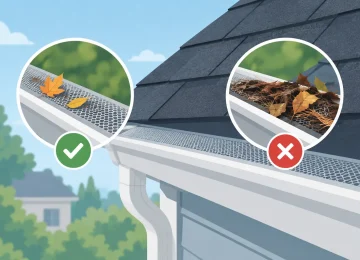
Gutter guards can help reduce debris buildup, but they are not a substitute for proper installation or periodic cleaning. The right guard depends on the type of leaves, pine needles, roof material, and water volume at the property. A system should be evaluated as a whole rather than treated as a one-size-fits-all product.
Choosing the Right Gutter Material for Your Property
If your priority is dependable performance, color options, and cost-effective replacement, seamless aluminum is often the practical starting point. If your building has historic or premium architectural details, copper or zinc may be worth considering. If physical durability is the main concern and ongoing coating maintenance is acceptable, galvanized steel can have a role. Vinyl remains a budget option, but its long-term limitations should be understood before installation.
The best choice comes from looking at the roofline, drainage load, surrounding trees, existing fascia condition, exterior style, and maintenance goals. A professional assessment can identify whether the current problems come from failed material, poor pitch, undersized gutters, missing downspouts, or damage at the roof edge.
Cavallari Gutters helps property owners throughout New Jersey and Staten Island select and install gutter systems built around real drainage needs, not generic recommendations. A clear estimate and a properly planned system give you a better path to protecting the property before the next hard rain exposes an avoidable problem.
Leave a Reply