
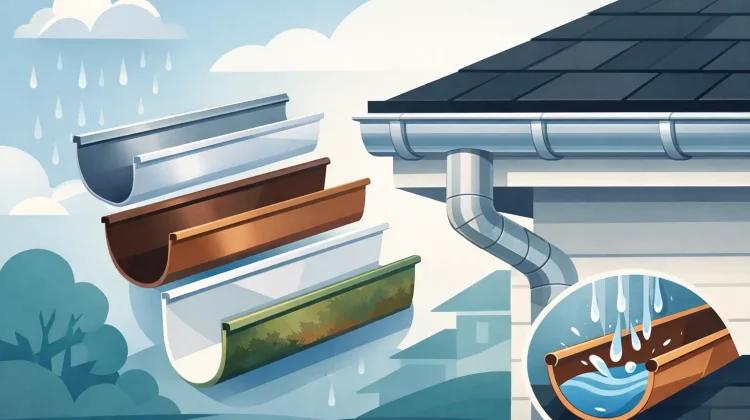
A gutter system can look simple from the ground, but the material you choose affects a lot more than appearance. The right rain gutter materials help control runoff, protect siding and foundations, reduce maintenance issues, and hold up to the weather your property sees year after year. The wrong choice can leave you dealing with leaks, sagging sections, corrosion, or repeated repairs long before you expected them.
For homeowners and property managers in New Jersey and Staten Island, this decision is not just about price. It is about how the system performs through heavy rain, seasonal debris, winter conditions, and long-term exposure. Material matters because gutters are part of your building’s protection system, not just a finishing detail along the roofline.
Why rain gutter materials matter
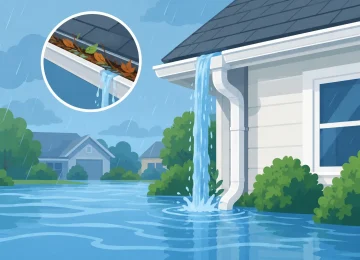
When gutters fail, water rarely stays where it belongs. It can spill over onto landscaping, stain siding, loosen fascia, pool around foundations, and contribute to basement or crawl space moisture problems. On commercial properties, poor drainage can also create headaches around entrances, walkways, and exterior walls.
That is why choosing among rain gutter materials should start with performance first. Appearance still matters, especially if you want the system to match the style and color of the property, but durability and drainage capacity should lead the decision. A lower upfront cost does not always mean lower ownership cost if the system needs more repairs or earlier replacement.
The most common rain gutter materials
Aluminum gutters
Aluminum is one of the most common gutter materials for good reason. It is lightweight, resists rust, and is available in a wide range of colors. It also works well for seamless gutter fabrication, which helps reduce leak points along the run.
For many residential properties, aluminum offers a strong balance of affordability, appearance, and service life. It is a practical fit when you want dependable performance without moving into a premium price range. If properly installed and sized for the roof area, aluminum gutters can provide years of reliable drainage.
The trade-off is that thinner aluminum can dent or bend more easily than heavier materials. Branch impact, ladder pressure, or ice-related stress can damage lower-gauge systems. That does not make aluminum a poor choice, but it does mean the gauge and installation quality matter.
Copper gutters
Copper is usually chosen for its appearance, longevity, and premium character. It can be an excellent fit for higher-end homes, historic properties, and buildings where architectural detail matters as much as function. Over time, copper develops a patina that many owners specifically want.
From a performance standpoint, copper is durable and long-lasting. It is not the budget option, though. Material and installation costs are significantly higher, and repairs or additions should be handled carefully to maintain a consistent look and proper function.
Copper makes the most sense when the property itself supports that level of finish and investment. If your main goal is practical drainage at a moderate price, other materials may be more cost-effective.
Galvanized steel gutters
Steel gutters are valued for strength. They can handle impacts and structural demands better than lighter materials, which can make them appealing on certain residential or commercial buildings. If a property has conditions that call for a tougher system, steel may be worth considering.
The main drawback is corrosion risk over time. Galvanized coatings help protect the material, but once the coating wears down or is damaged, rust can become an issue. In areas with frequent moisture exposure, that long-term maintenance factor should be taken seriously.
Steel can be a solid performer, but it usually requires a more deliberate maintenance mindset than aluminum. For owners who want a lower-maintenance system, that difference may influence the decision.
Vinyl gutters
Vinyl is often seen as an entry-level option. It is lightweight, affordable, and not vulnerable to rust. For some smaller projects or budget-conscious installations, that can make it attractive.
At the same time, vinyl tends to be less durable than metal options. It can become brittle with age, temperature swings, or prolonged sun exposure, and joints may be more likely to separate. In a region where weather can be unpredictable and demanding, vinyl may not offer the lifespan many property owners want.
This is one of those cases where the lowest purchase price can lead to more frequent replacement. If you are planning for long-term value, vinyl is usually not the first recommendation.
Zinc gutters
Zinc is less common than aluminum or copper, but it offers strong durability and a distinctive appearance. Like copper, it develops a natural finish over time. It is often selected for custom or architecturally specific projects where longevity and aesthetics both matter.
Zinc sits closer to the premium end of the market. It requires skilled installation and is not necessary for every property. Still, for owners looking for a long-lasting system with a refined look, it can be a worthwhile option.
How to choose the right material for your property
The best gutter material depends on the building, the environment, and your priorities. A single-family home with mature trees may need a different approach than a mixed-use property with long roof runs and high water volume. That is why material selection should not happen in isolation from system design.
Start with durability. If you want a system that balances cost and long-term performance, aluminum is often the practical choice. If you are focused on high-end curb appeal and long service life, copper or zinc may be worth the investment. If impact resistance is the priority, steel deserves a closer look.
Then consider maintenance. Some rain gutter materials ask more of the owner than others. Steel may require closer monitoring for corrosion. Vinyl may need earlier replacement. Premium metals may last a long time, but they also need experienced installation from the start. The more exposed the property is to debris, storms, and seasonal buildup, the more important ongoing support becomes.
Appearance is also part of the equation. Gutters are visible, especially on front elevations and lower rooflines. Material choice affects finish, color options, and how well the system blends into the exterior. A reliable gutter system should protect the structure, but it should also look like it belongs on the building.
Material is only part of the system
Even the best material can underperform if the gutter size, pitch, outlet placement, and fastening method are wrong. This is where many property owners run into trouble. They focus on the metal itself and overlook the installation details that control how water moves off the roof.
Seamless fabrication, proper hanger spacing, correctly sized downspouts, and clean runoff paths matter just as much as whether the gutter is aluminum or steel. On larger homes and commercial buildings, sizing is especially important. A material that works well in a standard 5-inch residential setup may not be enough if the roof area or water volume calls for a larger system.
That is also why repairs need a careful evaluation. If an older system is failing, switching materials may help, but only if the overall design problems are addressed at the same time. Overflow, separation, and drainage issues often point to more than just worn material.
What property owners in New Jersey and Staten Island should keep in mind
Local weather puts real demands on gutter systems. Heavy rain, leaf buildup, wind, and winter conditions all affect performance. A material that looks fine on paper may not be the best fit if it cannot hold up to the way the property actually sheds water.
For many local homes and commercial properties, aluminum remains the go-to option because it handles the balance well. It offers solid durability, good value, and flexible color matching without the higher cost of copper or zinc. When paired with professional installation and the right maintenance plan, it serves a wide range of buildings effectively.
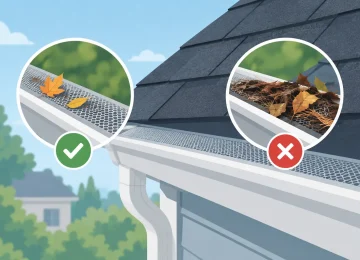
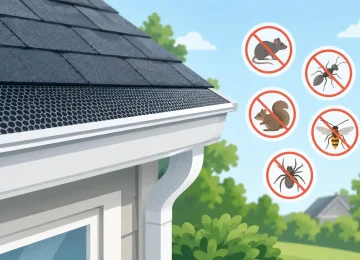
That said, every property has its own needs. Older homes may call for a more tailored appearance. Commercial structures may need larger-capacity systems. Properties surrounded by trees may benefit from combining the right material with gutter guard protection and routine cleaning support. Cavallari Gutters works with property owners on those practical details because the goal is not just to install gutters, but to install a system that keeps doing its job.
If you are comparing rain gutter materials, the smartest move is to think beyond the sticker price. Look at how long you want the system to last, how much upkeep you are comfortable with, how the building handles water now, and whether the finished result fits the property. A good gutter system should feel like one less thing to worry about when the weather turns.
Leave a Reply