
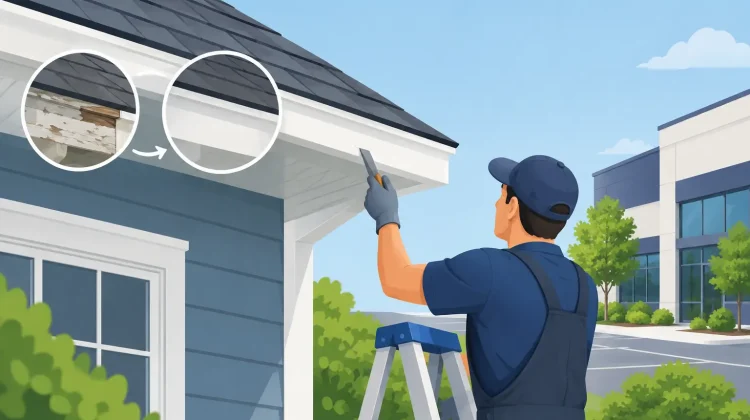
A dark stain behind a gutter, peeling paint at the roof edge, or a section of gutter beginning to sag can point to a problem that reaches beyond the gutter itself. This fascia repair guide explains what property owners should look for, why fascia damage matters, and when a targeted repair can protect the rest of the roofline.
Fascia is the long, straight board mounted along the lower edge of a roof. Gutters are typically fastened directly to it, which means the fascia carries part of the gutter system’s load while also helping create a finished roofline. When it weakens from moisture, rot, insects, or age, the gutter can pull away from the building and send water where it does not belong.
What Causes Fascia Damage?
Water is the most common cause. A properly pitched, properly sized gutter moves rainwater toward the downspouts. But when gutters overflow, leak at seams, clog with debris, or hold standing water, moisture can repeatedly soak the fascia board behind them. Over time, painted wood may blister, soften, crack, or rot.
Roof problems can create the same result. Damaged shingles, failed flashing, ice dams, or a roof edge that does not direct water into the gutter may allow water to run behind the system. In New Jersey and Staten Island, freeze-thaw cycles can make small openings worse. Water enters a crack, freezes, expands, and leaves the surrounding material more exposed during the next storm.
Poor gutter attachment is another concern. A gutter filled with wet leaves, shingle grit, or ice becomes much heavier than it appears. If its fasteners are loose or the fascia behind them is already soft, the system may sag or separate. This is not only a drainage issue. It can damage trim, soffits, siding, and nearby roof components.
Signs Your Fascia Needs Repair
Some damage is easy to see from the ground, while other problems become apparent during a gutter inspection. Watch for these warning signs:
- Peeling, bubbling, or cracked paint along the roofline
- Dark water marks, soft spots, or visible wood rot
- Gutters that sag, tilt forward, or pull away from the house
- Rust streaks or recurring leaks behind the gutter
- Gaps between the fascia, soffit, and roof edge
- Water entering an attic, staining ceilings, or running down siding
A single stain does not always mean the entire fascia board needs replacement. It may be caused by a leaking gutter seam or a short section with failed caulk. On the other hand, a board can look acceptable from the ground while being badly compromised behind a gutter. The condition of the wood, the source of the water, and the stability of the gutter attachment all need to be assessed together.
Fascia Repair Guide: Repair or Replace?
The right solution depends on how far the damage has spread. Small, isolated areas of surface deterioration may be repaired after the moisture source is corrected. Loose fasteners can be replaced, minor gaps can be sealed, and sound wood can be primed and painted to restore protection.
Replacement is usually the better choice when fascia is soft, crumbling, split, or no longer able to hold gutter hangers securely. Covering rotted wood with aluminum wrap or adding more fasteners will not restore its structural strength. It may temporarily improve the appearance, but the gutter still needs a solid surface behind it.
A proper fascia replacement often requires removing or lowering the gutter section first. The damaged board is taken out, the framing and soffit area are checked for hidden moisture damage, and new material is installed before the gutter is reattached at the correct pitch. If water has been entering behind the gutter, the repair should also address the roof-edge details that allowed that intrusion.
Material choices matter, but they should be made with the building and gutter system in mind. Primed wood can match many traditional homes and can be painted to suit the exterior. PVC and composite trim resist rot, although installation details and expansion must be handled correctly. Aluminum-wrapped fascia can reduce ongoing paint maintenance, but it should be installed over a sound substrate and not used to hide existing deterioration.
Why Gutters Must Be Part of the Repair
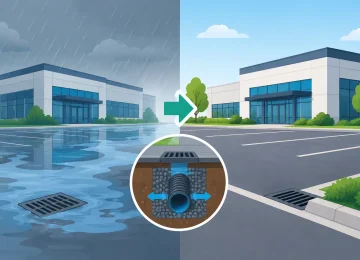
Fascia repairs fail when the underlying drainage problem remains. If a clogged gutter caused overflow, replacing the board without cleaning and improving the system leaves the new material exposed to the same water. If a downspout is undersized, poorly placed, or draining too close to the foundation, the property may continue to have water-management problems even after the roofline looks better.
During a fascia repair, it is worth checking gutter pitch, hanger spacing, seams, end caps, downspout connections, and discharge locations. The gutter should sit securely against the fascia and slope consistently toward the downspout. It should also be sized for the roof area and local rainfall conditions. Larger roofs, steep roof planes, and commercial buildings may require a different approach than a standard residential run.
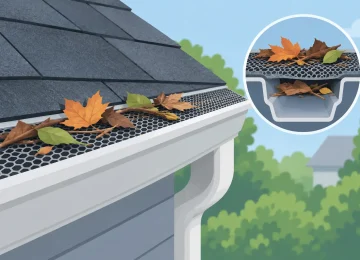
Gutter guards can help reduce the debris that contributes to clogs, but they are not a substitute for proper installation or occasional maintenance. The best option depends on nearby trees, roof type, gutter style, and how debris moves across the roof. A guard system should support water flow rather than create another place for debris to collect.
Do Not Ignore Soffit and Interior Clues
Fascia and soffit are separate parts of the roofline, but damage to one can affect the other. The soffit is the underside of the roof overhang. It often contains ventilation openings that help manage attic heat and moisture. When fascia rot allows water into the roof edge, soffit panels can stain, warp, or deteriorate as well.
Inside the building, look for musty attic odors, damp insulation near the eaves, stained sheathing, or ceiling marks along exterior walls. These signs may indicate a roof leak rather than a gutter issue alone. A careful inspection should identify where the water is entering before repairs begin. Replacing exterior trim without identifying the source can lead to repeat damage and unnecessary expense.
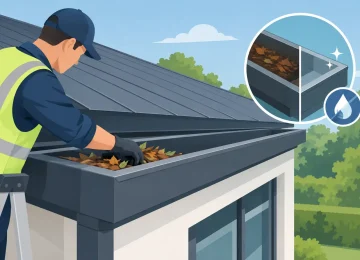
Commercial property owners and managers should also pay close attention to long gutter runs. One failed section or blocked downspout can send a significant volume of water over an entrance, walkway, loading area, or exterior wall. Prompt repairs help reduce slip hazards and protect the building envelope.
When to Call a Professional
Working at a roof edge involves ladders, sharp metal, electrical lines, and potentially unstable materials. Homeowners can safely monitor visible changes and keep ground-level downspout outlets clear, but soft fascia, sagging gutters, and recurring roofline leaks are best evaluated by an experienced gutter professional.
A professional inspection can determine whether the concern is limited to a gutter adjustment, a localized fascia repair, or a broader replacement project. It also provides an opportunity to correct gutter pitch and attachment before the next heavy rain. For property owners who want a system built around real drainage needs, Cavallari Gutters can assess the roofline and recommend practical repair or replacement options.
Protect the Roofline Before the Next Storm
Fascia damage rarely improves on its own. What begins as peeling paint or a small gutter gap can become rotted wood, failing fasteners, damaged soffits, and water near the foundation. Seasonal checks after heavy storms, regular gutter cleaning, and prompt attention to leaks give a property its best chance of avoiding larger repairs.
If your gutters are pulling away, overflowing, or leaving stains along the roof edge, treat that evidence as an early warning. Addressing the water path now can protect the work above, below, and behind the gutter for years to come.
Leave a Reply