

A gutter problem usually starts small – a drip at one corner, water spilling over during a storm, a section pulling away from the fascia. Then the staining shows up, the mulch washes out, or worse, water starts collecting near the foundation. If you are asking how much does gutter repair cost, the honest answer is that it depends on what failed, how far the damage has spread, and whether the system is still worth saving.
For most property owners, gutter repair costs fall somewhere between a minor service call and a more involved sectional rebuild. A simple reseal or fastener repair may be relatively modest, while damaged pitch, separated joints, rusted sections, or drainage issues tied to downspouts can raise the total quickly. The key is not just the repair itself, but whether that repair restores proper water management for the long term.
How much does gutter repair cost on average?
In many cases, homeowners can expect basic gutter repairs to range from about $150 to $600, while more extensive repairs may reach $700 to $1,200 or more. Commercial properties, larger homes, multi-story buildings, and systems with difficult access often land higher. Those numbers are broad on purpose, because gutter repair is not a one-size-fits-all service.
A leaking seam at one spot is very different from multiple sections sagging across the front of a house. Likewise, reconnecting a loose downspout is not the same as correcting improper pitch that has allowed standing water to sit in the trough. When a contractor inspects the system, they are looking at labor, materials, access, safety setup, and whether the repair solves the underlying drainage problem or only covers the symptom.
What affects gutter repair pricing?
The biggest cost factor is the type of damage. Small repairs usually involve sealing joints, replacing hangers, securing loose brackets, patching holes, or reattaching detached sections. These jobs tend to take less time and use fewer materials. Once corrosion, storm damage, bent metal, or rotted adjacent wood enters the picture, the cost typically rises.
The length of gutter affected also matters. Repairing a single trouble spot is one thing. Repairing multiple runs around the house is another. If several areas are failing at once, a contractor may recommend replacing selected sections instead of repeatedly patching weak points.
Height and accessibility have a direct impact on labor. First-story gutter repairs are usually simpler and faster than second-story or steep-roof work. If landscaping, fencing, decks, or building design make ladder placement more difficult, that can add time and care to the job.
Material plays a role as well. Aluminum gutters are common and generally straightforward to service. Copper and specialty systems usually cost more to repair because of material pricing and the skill involved. Older systems can also be harder to match in profile, size, or color, especially if only one section needs replacement.
Common gutter repairs and what they usually cost
Minor leak repairs are often among the lower-cost fixes, especially when the problem is isolated to a seam, end cap, or small puncture. These repairs may fall around $150 to $350, depending on access and whether additional cleaning is needed to expose the issue.
Loose or sagging gutters often cost more because the contractor may need to replace fasteners, reinforce attachment points, and reset the pitch so water flows correctly. That kind of work may range from $200 to $500 for a limited section, but larger affected areas can push it higher.
Downspout repairs can be fairly simple if the issue is a loose connection or a disconnected elbow. If the downspout is crushed, improperly routed, or contributing to drainage near the foundation, repair or partial replacement may cost roughly $150 to $450 or more.
Section replacement is where pricing can move noticeably. If a portion of gutter is rusted through, badly bent, or beyond patching, replacing that run may cost several hundred dollars depending on length, material, and whether matching the existing system is feasible. If multiple sections need replacement, it becomes reasonable to compare repair costs against full replacement.
Repair versus replacement
This is where many property owners save or lose money. A repair is cost-effective when the problem is isolated and the rest of the system is still structurally sound. If the gutters are relatively newer, properly sized, and mostly in good condition, repair often makes sense.
But if the system has recurring leaks, widespread corrosion, pulling at several attachment points, or chronic overflow because the layout was wrong from the start, repeated repairs can become more expensive than addressing the full issue. Paying for multiple service visits over time adds up, especially when water damage continues in the background.
A good contractor should be direct about that distinction. Sometimes the right answer is a straightforward repair. Other times, replacing damaged sections or upgrading the full system is the more responsible recommendation because it protects the property better and avoids short-term fixes.
How location and weather can influence cost
In New Jersey and Staten Island, gutters work hard. Heavy rain, wind-driven storms, winter ice, clogged downspouts, and seasonal debris can all accelerate wear. Repairs in this region are often tied not just to age, but to weather-related stress and maintenance history.
Freeze-thaw cycles are especially tough on gutter seams and fasteners. Water that sits in low spots can expand in cold weather, worsening leaks and separation. Coastal conditions and moisture exposure can also shorten the life of some components. That means pricing is not only about the visible repair, but about how much strain the system has already taken over time.
Why cleaning and guards can change the repair bill
Sometimes what looks like a gutter failure is really a maintenance issue. Gutters packed with leaves, roof grit, and debris can overflow even when the metal itself is still in decent shape. In those cases, cleaning may be part of the repair visit, and the cost may stay lower than expected if no major damage is found.
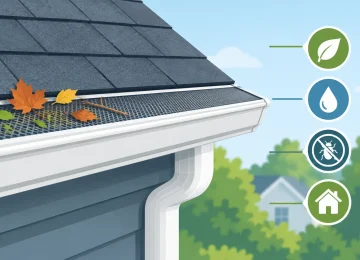
On the other hand, chronic clogging often contributes to sagging, separated joints, and water spilling behind the gutter. If the repair includes correcting that damage and adding gutter guards to reduce future buildup, the initial bill will be higher, but the long-term value may be better. It is a practical example of where the cheapest option is not always the best one.
How to get an accurate gutter repair estimate
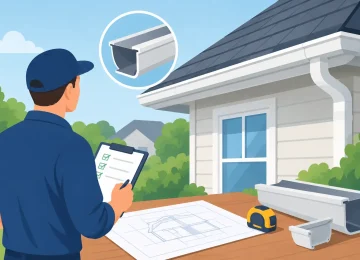
The most reliable estimate starts with an on-site inspection. Photos can help, but they do not always show hidden pitch problems, fascia issues, loose connections, or the full extent of storm damage. A contractor who specializes in gutters should inspect how water is moving off the roofline, through the trough, and away from the structure.
When reviewing pricing, it helps to ask whether the estimate includes just the visible repair or any related corrections needed to make the system perform properly. For example, sealing a leak without addressing poor slope may not solve the problem. The better estimate is the one that explains scope clearly, not simply the one with the lowest number.
Property owners should also ask about licensing, insurance, workmanship, and whether the contractor stands behind repairs. On a system designed to protect siding, foundations, landscaping, and fascia boards, accountability matters. That is one reason many local owners choose a dedicated gutter company rather than a general exterior contractor trying to fit gutter work into a broader menu of services.
Signs you should not wait on repair
If gutters are overflowing during normal rain, pulling away from the house, leaking at multiple joints, or dropping water near entryways and the foundation, it is time to act. Water does not stay where it starts. It can stain masonry, damage trim, saturate soil, and create issues around basements and walkways.
Delaying repair also tends to reduce your options. A small fastener issue can become fascia damage. A localized leak can turn into widespread rot. A downspout discharge problem can become erosion or settlement near the structure. Early repairs are usually more manageable than late-stage corrections.
For homeowners and property managers who want clear answers, the best next step is a professional evaluation based on the actual condition of the system. Companies like Cavallari Gutters approach that process with the practical goal that matters most: making sure the repair protects the property, not just the invoice. When gutters do their job properly, a lot of expensive problems never get the chance to start.

Leave a Reply