
A puddle that remains in the yard a day or two after rain is more than an inconvenience. It can soften soil around the foundation, damage turf and planting beds, create slippery walkways, and give water another opportunity to find its way into a basement or crawl space. The right yard drainage fixes start with identifying where the water comes from and where it can safely go.
For properties in New Jersey and Staten Island, heavy seasonal rain, compacted soil, mature landscaping, and close property lines can make drainage problems especially frustrating. A lasting solution is rarely just a matter of digging a trench or adding a splash block. Roof runoff, gutter performance, grading, and the condition of the surrounding soil all need to work together.
Start With the Source of the Water
Before choosing a drainage solution, watch the property during a steady rain if it is safe to do so. Look for overflowing gutters, downspouts that empty beside the foundation, water flowing toward the building, and low areas where runoff collects. The source often points directly to the repair.
If water spills over the edge of a gutter, the problem may be debris, an undersized gutter system, incorrect pitch, or a downspout that cannot handle the volume of water coming off the roof. If the gutter appears to work but water pools at its base, the runoff may simply be discharged too close to the house.
This distinction matters. A French drain can help with persistent groundwater and surface water in a low section of the yard, but it will not correct a clogged gutter or a downspout that releases hundreds of gallons at the foundation during a storm. Addressing roof drainage first is usually the practical place to begin.
Yard Drainage Fixes Begin at the Roofline
Gutters are a building’s first line of defense against uncontrolled roof runoff. When they are properly sized, securely installed, pitched correctly, and kept clear, they collect water and move it to planned discharge points. When they fail, the water lands exactly where property owners do not want it: beside the structure, near entryways, over landscaping, or onto paved surfaces.
Repair Overflow Before Adding Ground Drains
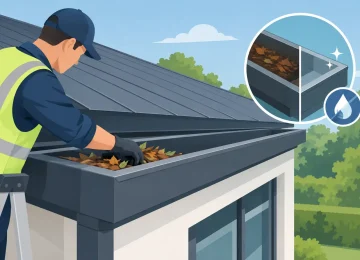
Gutter repairs may involve resealing leaking joints, correcting loose hangers, adjusting pitch, replacing damaged sections, or clearing obstructions from the gutter and downspout. In some cases, replacement is the better long-term choice, particularly when an older system is undersized or repeatedly pulls away from the fascia.
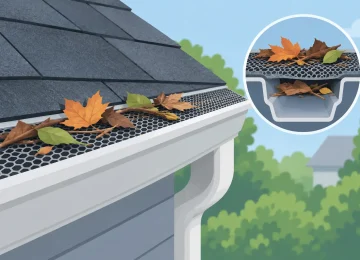
Gutter guards can also reduce the debris that contributes to clogs, especially around mature trees. They are not a substitute for all maintenance, but a properly selected and installed guard system can make cleaning less frequent and help water move through the system more consistently.
Extend Downspouts Away From the Foundation
A downspout should not release water directly beside the home. Extensions can carry runoff several feet away, ideally toward an area that slopes away from the structure and can absorb the water without sending it toward a neighbor, sidewalk, driveway, or public drainage area.
Above-ground extensions are often an affordable starting point and are easy to inspect. Buried solid pipe can provide a cleaner appearance and route water farther from the building, but it must have proper slope, a suitable outlet, and access for cleaning. A buried line that is too flat or ends in already saturated soil can create a hidden problem rather than solve one.
Correct Grading Where Water Flows Back to the Building
The soil around a foundation should generally slope away from the structure. Over time, mulch beds settle, soil erodes, landscaping changes, and patio or walkway work alters the way water moves. What once drained properly can become a shallow channel that directs rainwater toward the house.
Regrading can be one of the most effective fixes when the issue is surface runoff. It typically involves adding and shaping clean fill soil so water moves away from the foundation rather than toward it. The goal is not to create a steep, obvious mound. It is to establish a gradual path for water while preserving safe clearance below siding, weep holes, and other building details.
This work requires care. Piling soil high against siding can trap moisture, invite pest activity, and cover components that need to remain exposed. If the grade cannot be corrected because of a driveway, neighboring property, or a tight lot, drainage collection may be needed instead.
When a French Drain Makes Sense
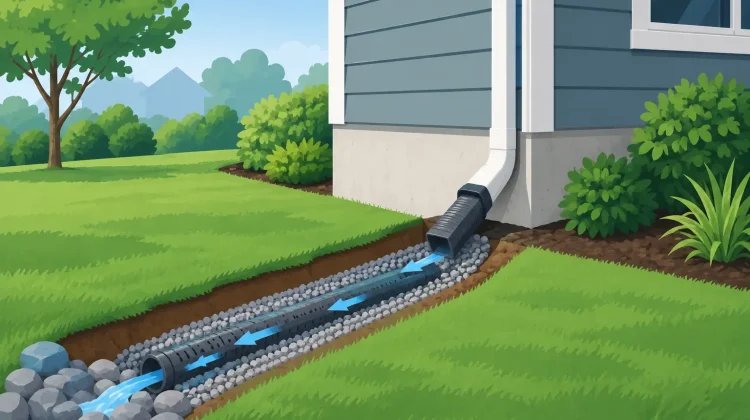
A French drain is a trench containing gravel and perforated pipe that collects water moving through the soil and redirects it to an appropriate outlet. It can be useful along a wet side yard, at the base of a slope, or in an area where groundwater repeatedly saturates the soil.
It is not the automatic answer for every puddle. French drains require thoughtful placement, a workable discharge point, proper filter fabric and gravel, and enough slope for water to move. If the outlet is blocked, the pipe is installed incorrectly, or roof runoff overwhelms the system, the drain may not perform as expected.
For a low spot that receives mostly surface water, a catch basin connected to solid drainage pipe may be a better fit. The basin collects runoff at the low point, while the pipe carries it away. In some properties, a combination works best: gutter downspouts connect to solid pipe, while a nearby catch basin handles surface water from the yard or hardscape.
Protect Walkways, Driveways, and Commercial Entrances
Drainage is not only a foundation issue. Water that crosses walkways can freeze in winter, create slip hazards, wash out pavers, and undermine the edges of asphalt or concrete. Commercial properties and multi-family buildings may also face liability concerns when drainage directs water toward entrances, loading areas, or pedestrian paths.
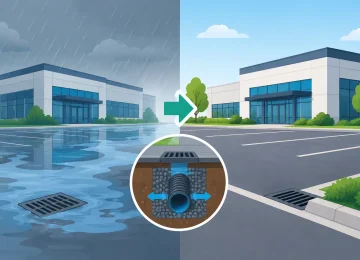
Trench drains, channel drains, and catch basins are common options for paved areas. The right selection depends on the amount of runoff, traffic over the surface, and where the collected water can be discharged. A drain without a proper outlet only stores water temporarily, so the full path from collection to discharge should be planned before installation.
Property managers should also inspect roof drainage around building corners, rear exits, dumpster areas, and lower roof sections. These are common locations for water to concentrate without being noticed until erosion, staining, or pavement damage appears.
Avoid Fixes That Create a New Problem
It is tempting to send water to the nearest edge of the property, but drainage changes should not shift the issue to a neighbor’s yard or create runoff across a sidewalk. Local requirements, lot layout, soil conditions, and available discharge areas all affect what is appropriate.
Dry wells can be useful where runoff can safely infiltrate into suitable soil, but they are not ideal in every location. Heavy clay soil, a high water table, or a poorly sized dry well can leave water with nowhere to go during major storms. Similarly, rain gardens can help manage runoff and add visual appeal, but they need the right plantings, location, and grading to function well.
The simplest option is often the best one when it is matched to the problem. Cleaning and repairing a gutter system, extending a downspout, and restoring positive grading may resolve a concern that initially looked like it required major excavation.
A Practical Plan for Persistent Standing Water
If water continues to collect after basic maintenance, document what happens during rainfall. Take note of how quickly the area fills, whether water comes from the roof, driveway, neighboring grade, or hillside, and how long it takes to drain. This information helps a drainage professional distinguish between surface runoff, gutter discharge, poor grading, and a deeper soil or groundwater issue.
For roof-related drainage concerns, Cavallari Gutters can evaluate the condition and layout of the gutter system, including areas where overflow or downspout discharge may be contributing to water near the building. A properly designed gutter and downspout system does more than keep rain off the siding. It supports every other drainage measure on the property by controlling runoff at its source.
Do not wait for a wet basement, damaged foundation wall, or washed-out landscape bed to take the problem seriously. A clear path for rainwater is one of the most practical investments you can make in the long-term condition of a home or commercial property.
Leave a Reply