
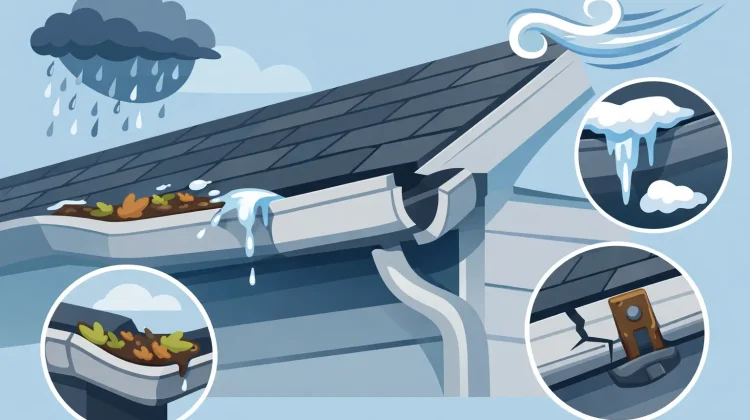
A gutter that starts separating from the house is rarely a cosmetic issue. If you are asking what causes gutters to pull away, there is usually already enough stress on the system to affect drainage, roof edges, fascia boards, or the foundation below. The sooner the cause is identified, the better the chance of preventing more expensive repairs.
In New Jersey and Staten Island, gutters deal with a lot – heavy rain, wind, winter ice, falling debris, and seasonal temperature swings. Over time, those conditions can expose weak fastening, aging materials, or drainage problems that may not have been obvious when the system was first installed. A gutter pulling away is often the visible result of a bigger issue behind it.
What causes gutters to pull away from a house?
In most cases, gutters pull away because something has increased the load on the system or weakened the parts holding it in place. Sometimes it is one clear cause, like a section packed with wet leaves. Other times it is a combination of age, poor pitch, loose spikes, fascia damage, and repeated overflow.
That is why a proper repair starts with diagnosis, not guesswork. Refastening a sagging section may help for a short time, but if the fascia is rotted or the gutter is undersized for the roof area, the same problem is likely to return.
Clogged gutters add weight fast
One of the most common reasons gutters separate from the home is simple buildup. Leaves, twigs, seed pods, roofing grit, and dirt collect inside the trough and hold water instead of moving it to the downspouts. That debris gets heavier when it is soaked, and the extra weight puts continuous strain on hangers and fasteners.
A gutter system is designed to carry moving water, not to support standing water and compacted debris for weeks or months. If a section stays clogged long enough, it can begin to bow, sag, and eventually pull away from the fascia. This is especially common near corners or in areas where downspouts are blocked.
Loose or outdated fasteners
Older gutter systems often rely on spikes and ferrules, and while those can work, they are more likely to loosen over time than modern hidden hangers. Repeated expansion and contraction, vibration from storms, and the weight of water can slowly back those fasteners out.
Once a few points start to loosen, the load shifts to the remaining supports. That creates a chain reaction where one failing connection leads to more movement across the run. Homeowners sometimes notice a small gap first, but by then the problem may already extend farther than it appears from the ground.
Rotted or damaged fascia boards
Sometimes the gutter itself is not the main problem. The wood behind it may be failing.
Gutters are attached to the fascia, and if that board has softened from moisture damage, the screws or spikes no longer have solid material to hold onto. In that situation, tightening hardware alone will not solve much. The connection may feel secure briefly, then loosen again because the substrate is compromised.
Fascia rot often develops when gutters overflow repeatedly, when roof runoff gets behind the system, or when previous repairs did not address water intrusion. This is one reason gutter separation should not be ignored. What looks like a hardware problem may actually point to hidden structural damage along the roofline.
What causes gutters to pull away after storms or winter weather?
Severe weather can speed up problems that were already developing. A gutter that seemed fine in mild conditions may start pulling away after one rough season.
Ice and snow overload
In winter, trapped water can freeze inside clogged or poorly draining gutters. Ice is heavy, and it expands as it forms. That combination can twist brackets, pull fasteners loose, and force sections away from the fascia.
Snow sliding off the roof can also slam into the gutter system with enough force to bend or detach it. This is more likely on steeper rooflines or on buildings where drainage and roof edge details were not planned well together.
High winds and storm impact
Strong winds do not always rip gutters off directly, but they can shake loose sections that are already weak. Wind-driven branches, heavy rain, and shifting downspouts add stress where the system is most vulnerable. If the gutter was improperly secured to begin with, a storm may simply reveal the weakness faster.
Temperature changes and material movement
Metal gutters naturally expand in heat and contract in cold weather. Over years of seasonal cycling, that movement can loosen joints and strain fasteners, particularly if the installation did not allow for proper spacing and support. Aluminum systems, which are common and effective, still need correct hanger placement and sound attachment points to perform well long term.
This is one of those cases where the answer depends on age and installation quality. Movement alone does not mean failure, but movement combined with weak hardware or damaged fascia often leads to separation.
Poor installation is a major factor
Not every gutter problem is caused by age or weather. Some systems pull away because they were never installed correctly in the first place.
If hangers are spaced too far apart, the gutter can sag between support points. If the pitch is off, water may sit in the trough instead of draining out. If the fasteners are too short, placed in weak material, or attached without regard to fascia condition, the system may not handle routine rain loads for very long.
Undersized gutters can create trouble too. When the gutter cannot manage the roof’s water volume, overflow becomes more frequent. That repeated water exposure can damage both the gutter and the structure behind it. On larger homes and commercial properties, sizing and placement matter more than many people realize.
This is where working with a gutter specialist makes a difference. A general fix may reattach the visible section, but a focused inspection can identify whether the system design itself is contributing to the problem.
Signs the problem is getting worse
A gutter usually gives warning signs before it fully detaches. You may notice a visible gap between the gutter and fascia, sections that look uneven, standing water after rainfall, or fasteners on the ground below. Water marks on siding, peeling paint near the roofline, and erosion around the foundation are also common clues.
Inside the building, the signs may be less obvious but more serious. If water is getting behind the gutter, it can affect soffits, fascia, trim, and wall assemblies. On commercial properties, drainage failures can also affect entrances, walkways, and landscaped areas around the structure.
When a gutter starts to pull away, timing matters. Waiting through another season of storms can turn a manageable repair into a larger fascia replacement or full gutter replacement.
Repair or replace?
That depends on what caused the separation and how far the damage goes. If the gutter is relatively new, the fascia is still solid, and the issue is limited to a few loose hangers, a targeted repair may be the right move. Re-securing the system, restoring proper pitch, and cleaning out the blockage can often return it to good working order.
If the gutter is bent, repeatedly clogging, improperly sized, or attached to rotted fascia, replacement may be the more cost-effective option. The same goes for older systems with chronic leaks, multiple failing joints, or extensive hardware pullout. At that point, putting more money into spot repairs may only delay the inevitable.
For property owners, the practical question is not just whether the gutter can be reattached. It is whether the system will perform reliably after the repair. A dependable solution should protect the home or building through the next heavy rain, not just improve the appearance for a few weeks.
Preventing gutters from pulling away again
The best prevention combines routine cleaning, proper support, and attention to early warning signs. Gutters need to stay clear enough to move water efficiently. They also need secure hangers, correct pitch, and sound fascia behind them.
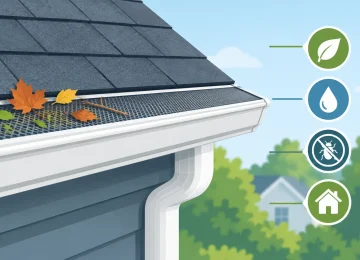
Gutter guards can help reduce debris buildup, but they are not a cure-all. Their performance depends on the type of trees nearby, roof design, and the condition of the existing system. In some cases, guards paired with periodic professional cleaning make the most sense. In others, a system redesign or replacement is the better long-term fix.
If your property has recurring overflow, sagging sections, or visible separation, it is worth having the full system evaluated. Cavallari Gutters works with homeowners and commercial property owners in New Jersey and Staten Island to identify the real cause and recommend repairs that hold up.
A gutter should sit tight to the structure and move water away without drawing attention to itself. When it starts pulling away, that is the building asking for help before water finds its own path.

Leave a Reply