
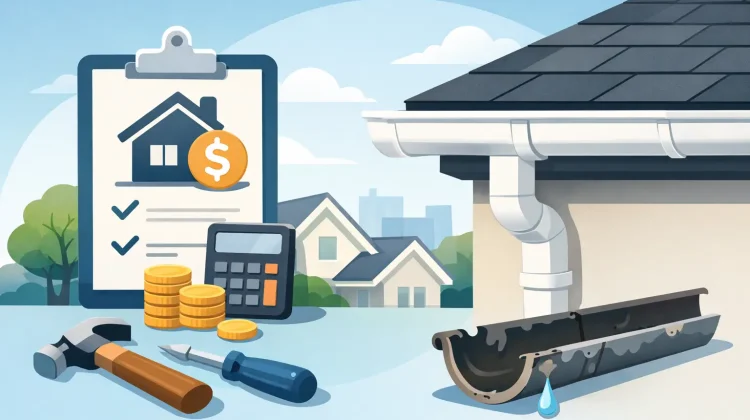
A gutter system usually gets attention only after a problem shows up – water spilling over the edge, staining on siding, pooled water near the foundation, or ice forming where it should not. When that happens, one of the first questions homeowners ask is the cost to replace house gutters, and the honest answer is that it depends on the size of the home, the material, the layout, and the condition of what is already there.
For most homes, gutter replacement is not just a cosmetic update. It is part of protecting the roofline, fascia, soffits, siding, landscaping, and foundation from repeated water exposure. A lower quote can look appealing at first, but if the system is undersized, poorly pitched, or installed without addressing drainage at the downspouts, it can create more expense later.
What affects the cost to replace house gutters
The biggest pricing factor is the total linear footage. A small, straightforward ranch home will generally cost less than a larger two-story home with multiple roof sections, dormers, bay windows, and long downspout runs. The more corners, elevation changes, and custom fitting required, the more labor is involved.
Material also matters. Aluminum remains one of the most common choices because it offers a good balance of durability, appearance, and price. Copper costs significantly more, but many property owners choose it for its long lifespan and distinct look. Galvanized steel can be strong, though it may require more maintenance over time depending on conditions. Vinyl tends to be more budget-friendly upfront, but it is not always the best fit in areas that see temperature swings and storm exposure.
Another factor is gutter style and size. Standard 5-inch gutters work well for many homes, but some roofs need 6-inch gutters to handle heavier water volume. Larger systems, oversized downspouts, and custom colors can increase the price, yet they may be the right investment if the property has a steep roof, a broad roof area, or a history of overflow.
Removal of old gutters is often part of the job, but not always. If the existing system is damaged, pulling it down and disposing of it adds labor and haul-away costs. If the fascia board or wood trim behind the gutters has rot, that repair needs to be addressed before a new system can be installed correctly.
Typical price ranges homeowners can expect
Most homeowners are looking for a realistic budget range before they schedule an estimate. National averages can be useful as a starting point, but local labor rates, home styles, and weather demands often move pricing up or down.
In many cases, basic gutter replacement for a smaller home may start in the low thousands. Mid-range projects for average-sized homes often fall somewhere in the middle of that range, especially when seamless aluminum gutters are used. Larger homes, premium materials, difficult rooflines, or extensive downspout work can push the total much higher.
If you are comparing quotes, make sure you are comparing the same scope of work. One estimate may include seamless gutters, new oversized downspouts, removal of old materials, and cleanup. Another may price only the gutter runs themselves. That difference can make one bid look cheaper even when it is not offering the same level of protection.
Material choices and how they change the total
Seamless aluminum gutters are a popular choice because they are durable, relatively low maintenance, and custom-formed to the home. Since there are fewer joints, there are fewer places for leaks to develop. For many homeowners, this is the practical middle ground between price and long-term performance.
Copper is a premium option. It costs more at the start, but it also offers excellent longevity and a high-end appearance that can complement older homes, custom homes, and certain commercial properties. The trade-off is clear – you are paying for both material value and craftsmanship.
Steel can make sense where strength is a priority, but it is important to understand the maintenance side. In the right setting it performs well, though rust resistance and finish quality should be part of the conversation. Vinyl may look attractive from a price standpoint, but it is often a short-term solution compared with professionally installed metal systems.
Why labor matters as much as the gutter itself
It is easy to focus only on material cost, but installation quality has just as much impact on value. Gutters need the right pitch to move water efficiently, secure fastening to hold up through storms, and well-placed downspouts to direct runoff away from the structure.
A replacement job may also involve working around landscaping, decks, porches, lower roof sections, or tight access points. Two-story and three-story properties require more setup, more safety measures, and more installation time. That is why labor costs vary from one property to the next, even when the gutter material is the same.
This is also where hiring a gutter specialist can make a difference. A contractor who works on gutters every day is more likely to identify issues with drainage design, fascia condition, downspout placement, and runoff volume before those problems become callbacks.
The extras that can raise or lower the final price
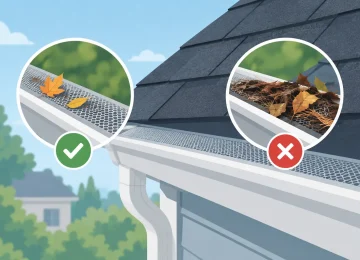
Gutter guards are one of the most common add-ons. They increase the upfront investment, but they may reduce maintenance and help prevent clogging from leaves, seed pods, and roof debris. They are not a cure-all, and some properties still need periodic service, but they can improve system performance when matched to the home and surrounding tree coverage.
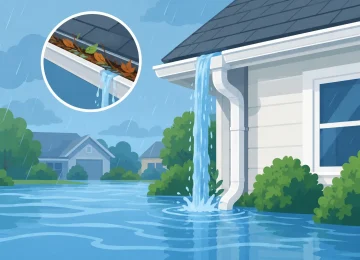
Downspout extensions are another detail that matters. If water empties too close to the foundation, the gutter system is only doing half the job. Extensions, splash blocks, or tied-in drainage solutions can add cost, but they also improve results.
Color matching and custom profiles can change the price as well. Many homeowners want a gutter system that blends with trim, rooflines, or exterior finishes. That is a reasonable priority. Gutters are functional, but they are also highly visible from the street.
If wood rot, fascia damage, or soffit issues are discovered during removal, the budget may need to change. That is not padding the invoice. It is part of making sure the new gutters have a sound surface to attach to.
How to know whether repair or replacement makes more sense
Not every failing gutter system needs full replacement. If the issue is limited to a loose section, a leaking seam, a sagging area, or a damaged downspout, repair may be the better value. That is especially true if the rest of the system is still structurally sound.
Replacement becomes the smarter move when problems are widespread. If the gutters are pulling away in multiple areas, rusting through, separating at joints, overflowing because they are undersized, or showing repeated leak points, patchwork repairs can add up quickly without solving the real problem.
Age matters too. An older system that has already been repaired several times may not justify additional service work. In that case, replacement gives you a clean start and a better chance to correct underlying drainage issues.
Getting an accurate estimate for house gutter replacement
The best estimate starts with an on-site evaluation. Measurements matter, but so does a close look at slope, roof area, water flow, downspout placement, and the condition of mounting surfaces. A contractor should also explain what is included, what material is being quoted, and whether old gutter removal and disposal are part of the price.
Ask practical questions. Will the new system be seamless or sectional? What gauge or thickness is being used? How many downspouts are included? Are the hangers spaced for local weather demands? Is there a workmanship warranty along with any manufacturer coverage?
For property owners in New Jersey and Staten Island, local weather should not be treated as a footnote. Heavy rain, seasonal debris, winter ice, and wind all affect how a gutter system should be designed and installed. That is one reason many homeowners prefer to work with a licensed and insured gutter contractor that understands local conditions instead of treating gutters as a side service.
A company like Cavallari Gutters approaches replacement with that practical mindset – not just putting up new metal, but making sure the system is sized, fitted, and supported to protect the property over time.
What a fair price really looks like
A fair price is not always the lowest one. It is a price that reflects the right material, proper installation, clean workmanship, and a system that actually manages water the way it should. If one quote is dramatically lower than the others, it is worth asking what has been left out.
Good gutter replacement should leave you with more than new lines along the roof edge. It should leave you with confidence the next time a hard rain hits and water needs to move away from your home, not back into it. If you are weighing the cost to replace house gutters, the better question is often what it will cost if you wait too long.

Leave a Reply