
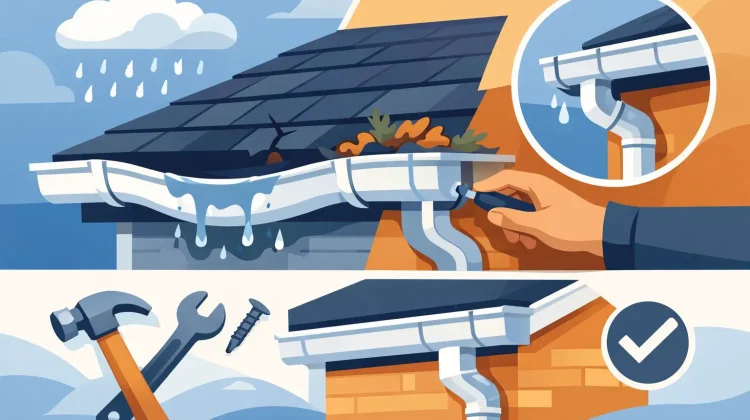
A gutter that pulls away from the roofline can turn a heavy rainstorm into a property problem fast. Water may spill behind the gutter, soak fascia boards, stain siding, flood landscaping, or collect near the foundation. If you are asking, “why do gutters sag,” the answer is usually not just age. Sagging often points to excess weight, failed fasteners, hidden wood damage, or a system that was not designed to handle the roof’s runoff.
For homes and commercial properties in New Jersey and Staten Island, snow, ice, wind-driven rain, and seasonal leaf buildup can put significant stress on a gutter system. Addressing the cause early is usually far more manageable than waiting for the gutter to detach or for water damage to spread.
Why Do Gutters Sag?
Gutters are meant to sit securely along the edge of the roof with a slight pitch toward the downspouts. That pitch allows water to move out of the system instead of pooling in the trough. When sections begin to bow, dip, or separate from the fascia, water becomes part of the problem: it adds weight, finds low spots, and can make the sag progressively worse.
Debris and standing water add too much weight
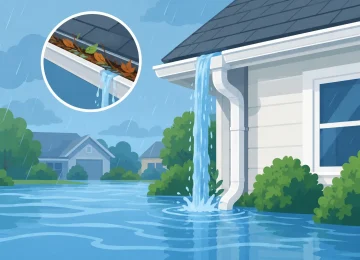
Clogged gutters are one of the most common reasons for sagging. Leaves, seed pods, roof grit, twigs, and shingle debris block the channel or downspout, preventing water from draining. Wet debris is much heavier than it looks, and standing water places a concentrated load on hangers and fasteners.
In winter, trapped water can freeze. Ice expands and can hold even more water and debris in place, creating weight that a properly sized gutter was never intended to carry. A single storm may reveal the problem, but repeated buildup is usually what weakens the installation over time.
Loose, spaced-out, or damaged hangers
Hangers are the brackets that support the gutter and secure it to the structure. Older systems may use spikes and ferrules, which can gradually loosen as the building materials expand and contract through changing seasons. Modern hidden hangers can also fail if they are installed too far apart, secured into weak wood, or damaged by excess gutter weight.
You may see a gap between the gutter and fascia, notice visible fasteners backing out, or find that one section dips between support points. Tightening a loose fastener can sometimes help, but it is not a lasting repair if the surrounding fascia is soft or the existing support layout is inadequate.
Rotting fascia boards cannot hold a gutter securely
Fascia is the board behind the gutter at the roof edge. It is the structural surface that gutter fasteners depend on. When water has been overflowing, leaking behind the gutter, or entering from a roof issue, the fascia can rot without being obvious from the ground.
A contractor may be able to reattach a gutter temporarily, but fasteners will not reliably hold in deteriorated wood. In that situation, the affected fascia should be repaired or replaced before the gutter is resecured. Otherwise, the same section can pull loose again during the next period of heavy rain or snow.
Improper installation or incorrect slope
A gutter system has to fit the roofline, the anticipated water volume, and the drainage layout. If the gutter is undersized for a large or steep roof, it can overflow frequently even when it is clean. If it has too few downspouts, water may back up before it can drain away.
Poor slope creates another issue. A gutter should have a controlled downward pitch toward each downspout. Too little pitch leaves water standing in the channel. Too much pitch can look uneven and may reduce how well the gutter catches water at the roof edge. Sagging can be the result of an original installation issue, or it can develop because a formerly correct slope has shifted as supports loosened.
Storm damage, snow loads, and physical impact
Severe weather can bend gutters, pull hangers loose, and damage the fascia behind them. Heavy snow sliding off a roof may distort a gutter’s outer edge or cause an entire run to separate. Ladders placed against gutters, falling branches, and accidental impacts from equipment can do the same.
Not every bent section requires full replacement. However, aluminum that has been creased or stretched may not return to its original strength or shape. A repair professional should evaluate whether the section can be reset and properly supported or whether replacement will provide better long-term protection.
Signs a Sagging Gutter Needs Prompt Attention
A slight dip is not merely a cosmetic concern. It changes how water moves around the building and can increase the chance of exterior damage. Watch for water spilling over one spot during rain, gutter sections that hold water after the storm, peeling paint near the roofline, rust stains, or a visible gap where the gutter meets the fascia.
Downspouts that discharge slowly can also signal a clog contributing to the sag. On commercial buildings, look for water pooling near entrances, walkways, loading areas, and foundation walls. These areas can become slippery, unsightly, and more difficult to maintain.
If a gutter is hanging noticeably or pulling away from the building, avoid placing a ladder against it or trying to force it back into position. The gutter may be carrying more weight than expected, and the fascia behind it may no longer be sound. A professional inspection is the safer choice.
How a Lasting Gutter Repair Is Handled
A dependable repair begins with finding the source of the failure, not just pushing the sagging metal back into place. The gutter should be cleared and tested for proper flow so the contractor can see whether debris, poor slope, or inadequate drainage capacity is involved.
Next, the hangers, fasteners, seams, end caps, and fascia condition should be checked. Failed or outdated supports may need replacement with properly spaced, secure hangers. When fascia damage is present, that wood must be addressed before the gutter can be reliably reattached. The gutter run can then be reshaped or replaced, aligned to the correct pitch, and connected to downspouts that can move water away efficiently.
For a newer gutter with a limited sag, a targeted repair may be the most cost-effective option. For an older system with recurring clogs, corrosion, multiple loose sections, or poor drainage design, replacement can make more sense. Seamless gutters, sized appropriately for the building, reduce the number of joints that can leak and provide a clean, tailored fit.
Can Gutter Guards Prevent Sagging?
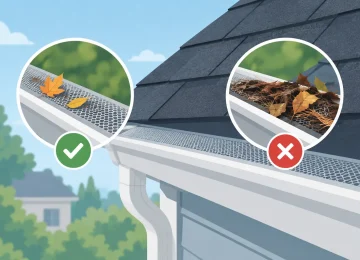
Gutter guards can reduce the amount of leaves and larger debris entering the gutter, which helps lower the risk of clogs and standing water. They are especially useful around mature trees, but they are not a substitute for correct installation or occasional maintenance. Fine debris and roof grit can still collect over time, and downspouts still need to remain clear.
The right guard depends on the roof, nearby trees, gutter size, and drainage needs. A guard should not restrict water flow during a hard storm or add unnecessary weight to a weak existing system. If the gutter is already sagging, repair the structure and supports first, then consider guards as part of a maintenance plan.
Protect the Roofline Before Water Finds a Way In
A sagging gutter is a warning that water management at the roof edge is no longer working as it should. The sooner the system is inspected, the more likely the solution will be limited to cleaning, securing supports, correcting drainage, or replacing a damaged section instead of repairing widespread fascia, siding, or foundation damage.
Cavallari Gutters provides professional gutter repair, replacement, installation, and gutter guard support for residential and commercial properties across New Jersey and Staten Island. A clear assessment of the gutter, roofline, and drainage path can help you make a practical decision based on the actual condition of your property. Before the next heavy rain puts added strain on the system, have the sag evaluated and give the water a dependable path away from your building.
Leave a Reply