
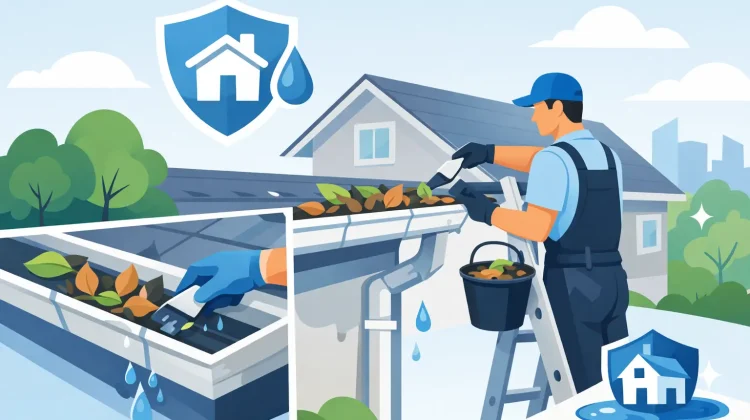
A gutter can look fine from the ground while holding enough wet leaves, shingle grit, and standing water to create a costly drainage problem. Gutter cleaning is not simply a seasonal chore. It is a practical part of protecting the roofline, siding, landscaping, foundation, and exterior of your home or commercial property.
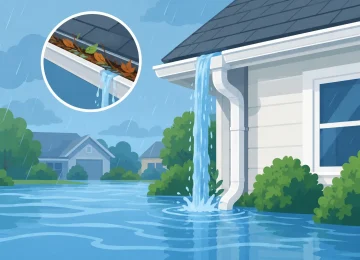
For property owners in New Jersey and Staten Island, the concern is especially real after heavy rain, wind, and fall leaf drop. When water cannot move through the system and away from the building, it takes the path of least resistance. That may mean spilling over the gutter edge, backing up beneath roof shingles, soaking fascia boards, or pooling around the foundation.
Why Gutter Cleaning Matters More Than It Seems
Your gutter system has one job: collect roof runoff and direct it safely away from the structure. It can only do that when the troughs, downspouts, elbows, and outlet openings remain clear.
A small layer of debris can restrict flow. As more leaves, twigs, roof granules, and sediment collect, water begins to slow down and settle. That added weight can cause gutters to pull away from the fascia, loosen their fasteners, or develop improper pitch. Eventually, a cleaning issue can become a repair or replacement issue.
Overflow is often the first warning sign, but not the only one. Water stains on siding, peeling paint near the roofline, mildew around the foundation, washed-out mulch, or puddles near a building are all signs that the drainage system may not be performing as intended. On commercial properties, blocked gutters can also create slippery walkways, damage exterior finishes, and complicate ongoing property maintenance.
Clean gutters help protect more than the gutter itself. They support the entire water-management plan for the building.
How Often Should Gutters Be Cleaned?
Most homes benefit from professional gutter cleaning at least twice a year: once after spring debris and once after the majority of fall leaves have dropped. That schedule is a reliable starting point, but every property is different.
A home surrounded by mature trees may need cleaning three or four times a year. Pine needles, seed pods, and small leaves can pack tightly inside gutters and downspouts, even when the gutter does not appear full. A property with fewer nearby trees may need less frequent service, but should still be inspected after major storms.
Roof design matters as well. Steep rooflines can move debris quickly into the gutter system, while valleys often concentrate water and leaves in one area. Large homes, mixed-use buildings, and properties with multiple roof sections may have more downspouts and more locations where clogs can develop.
Rather than relying on a calendar alone, pay attention to how your system performs during rainfall. If water runs over the front edge, pours from a gutter seam, or drains slowly from a downspout, it is time for an inspection.
What a Thorough Gutter Cleaning Should Include
Effective service involves more than scooping visible leaves from the gutter channel. The system should be cleared, tested, and inspected so minor concerns can be identified before they grow.
A complete cleaning generally starts with removing loose debris from gutters and roof valleys where it is safe to do so. Downspouts should then be checked for obstructions. A clog in an elbow or at the underground connection can cause water to back up even when the top of the gutter looks clear.
Once the debris is removed, water flow should be evaluated. This helps reveal whether the gutter is pitched correctly toward the downspout and whether water is escaping through seams, end caps, or outlets. The inspection should also look for sagging sections, loose hangers, rust, separated joints, and fascia damage behind the gutter.
For property owners, this is where professional experience can make a difference. A clean gutter that still holds water is not fully resolved. It may need adjustment, repair, or a better drainage layout to perform properly in the next storm.
Signs You Should Schedule Gutter Cleaning Now
Waiting until a gutter is visibly overflowing can mean waiting too long. Many problems develop gradually, then become obvious during a heavy rain event when the system is under pressure.
Schedule service if you notice water spilling over the gutter edges, downspouts that release little or no water, plants growing from the gutters, or streaks of dirt and water on siding. Gutters that appear bent, detached, or uneven deserve attention as well. These conditions can indicate accumulated debris, standing water, or hardware that has been strained over time.
You should also look below the system. Eroded soil, displaced mulch, water near basement walls, and recurring dampness around the foundation may be tied to poor runoff control. While drainage problems can have several causes, gutters and downspouts are an appropriate place to start.
Inside the building, ceiling stains near exterior walls or moisture around windows can sometimes be connected to water backing up at the roof edge. These issues should be addressed promptly, particularly when there is a possibility of roof, flashing, or fascia damage.
Is DIY Gutter Cleaning a Good Idea?
For a single-story home with easy access, stable ground, and a straightforward gutter layout, some owners choose to handle basic cleaning themselves. The trade-off is that ladders, wet debris, uneven ground, and overhead power lines can create real safety risks. It is also easy to remove leaves while missing a buried downspout clog or a loose gutter section.
DIY work may be reasonable for light maintenance, but it is not always the best option for multi-story homes, steep roofs, commercial buildings, or systems showing signs of damage. If there is any doubt about safe access or the condition of the gutter system, professional service is the better choice.
A specialist can clean the system while also identifying problems that are not visible from ground level. That may include a failing seam, a poorly positioned downspout, improper pitch, or a gutter size that is inadequate for the roof area. Addressing those details early can prevent repeat overflow and reduce the chance of larger exterior repairs.
Gutter Guards Can Reduce Cleaning, Not Eliminate Maintenance
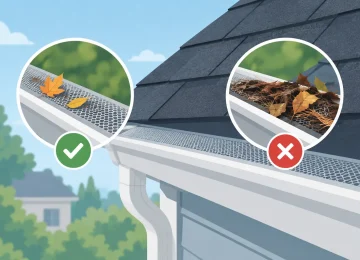
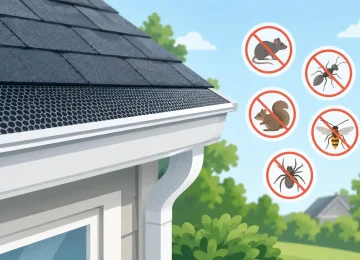
Gutter guards are often a worthwhile upgrade for homes with heavy leaf exposure or owners who want less frequent debris removal. A properly selected and installed guard can help keep larger debris out of the gutter channel while allowing water to enter the system.
However, no gutter guard is maintenance-free. Fine debris, roof grit, pollen, and seeds can still collect on top of guards or at gutter outlets. The guard must also be compatible with the roofline and gutter design. A poor fit can interfere with water flow instead of improving it.
The right expectation is reduced maintenance, not zero maintenance. Periodic inspection remains necessary to confirm water is entering the gutter, moving through the downspouts, and discharging far enough away from the building. For many properties, gutter guards paired with ongoing cleaning support offer the most practical long-term approach.
Cleaning Is Also the Right Time for Repairs
Cleaning appointments often reveal issues that are easier and less expensive to address early. A loose hanger may only need to be secured. A separated seam may need sealing or repair. A section that has settled out of pitch may need adjustment before standing water creates more damage.
In other cases, recurring clogs and overflow point to a larger design issue. Older gutters may be undersized, poorly sloped, or missing enough downspouts for the roof area. A replacement system with the proper size, layout, and color can improve drainage while maintaining the appearance of the property.
Cavallari Gutters approaches cleaning as part of complete gutter care. A clear assessment of the system helps property owners decide whether cleaning, repair, gutter guards, or replacement is the appropriate next step.
Keep Water Moving Before the Next Storm
The best time to address gutter maintenance is before a storm exposes a problem. Regular cleaning keeps water moving where it belongs and gives you an opportunity to catch small issues before they affect siding, landscaping, foundations, or interior spaces.
If your gutters have not been checked recently, or if you have seen overflow during rain, arrange an inspection with a qualified gutter professional. A well-maintained system is one of the simplest ways to protect the property you have worked hard to maintain.
Leave a Reply