

An older home can hide a gutter problem in plain sight. Water may be spilling behind a decorative fascia board, soaking a brick foundation, or washing out landscaping long before a visible ceiling stain appears. Choosing the best gutters for older homes is not just about replacing old metal. It is about matching the system to the home’s roofline, drainage needs, age, and architectural character.
A well-planned gutter replacement protects details that are expensive to repair: original wood trim, masonry, siding, foundation walls, and walkways. For homeowners in New Jersey and Staten Island, where heavy rain, snow, ice, and seasonal debris all put pressure on drainage systems, the right material and installation method matter just as much as the gutter style.
Start With the Home, Not the Gutter Material
Older homes were often built with different roof designs and exterior materials than newer construction. Steep roof pitches, slate or tile roofs, deep overhangs, ornamental woodwork, and aging fascia can all affect what a gutter system needs to do.
Before selecting a style or color, inspect the roof edge and the path water takes after it leaves the roof. A small gutter may have worked when the house was built, but additions, replacement roofing, changed grading, or stronger storms can make it inadequate today. Overflow is not always a cleaning problem. It can mean the gutter is undersized, the downspouts are too few, or the system was installed at the wrong pitch.
The condition of the fascia is also critical. Gutters need a secure mounting surface. If boards are soft, split, or pulling away from the roofline, installing new gutters over the damage only delays the repair. A professional gutter contractor should identify those concerns before installation and explain the practical options.
Why Seamless Aluminum Is Often the Best Fit
For many properties, seamless aluminum is among the best gutters for older homes because it balances durability, appearance, and cost. Aluminum does not rust, comes in many colors, and can be formed on-site to the exact length of each roofline. Fewer seams mean fewer places for leaks to develop over time.
This matters on long runs found on colonials, Victorians, split-levels, and multifamily properties. Sectional gutters have joints at regular intervals, and every joint relies on sealant. Seamless gutters still have connections at corners and downspouts, but they eliminate many of the weak points common in older sectional systems.
Aluminum is also light enough for many older fascia boards when the installation is properly planned. Strong hidden hangers and appropriate spacing help the system hold its shape through rain, snow, and ice. The material is not indestructible – ladders, falling branches, and heavy impacts can dent it – but quality aluminum gutters provide reliable performance for most residential applications.
Choose the Right Gutter Size for Roof Runoff
A 5-inch K-style gutter is common on many homes, but it is not automatically the right choice for an older property. Homes with large roof planes, steep slopes, valleys, or areas that receive concentrated runoff may need 6-inch gutters and larger downspouts. Those upgrades can move substantially more water during a hard storm.
K-style gutters are popular because they carry a good amount of water and have a shaped front edge that works well with many traditional homes. Their profile can complement common residential trim without drawing unnecessary attention to the gutter line.
Half-round gutters are another strong option, especially for historic or architecturally distinctive homes. Their curved shape is often more consistent with older designs, including Victorian, Colonial Revival, and certain brick or stucco homes. Half-round systems can look excellent, but they generally cost more and may carry less water than a comparable K-style gutter. On a large or steep roof, the contractor may need to use a larger diameter, additional downspouts, or both.
The best choice depends on appearance and capacity. A gutter that suits the architecture but overflows in every major storm is not protecting the property. Conversely, an oversized profile may solve a drainage problem but look out of place if it is not selected carefully.
Copper, Galvanized Steel, and Vinyl: Where They Make Sense
Copper gutters are often chosen for high-end historic homes because they develop a natural patina and can last for decades when installed correctly. They are a visual investment as much as a drainage system. Copper can be an excellent fit around slate roofs, masonry exteriors, and detailed period architecture, but it comes with a higher upfront cost and requires skilled installation.
Galvanized steel was used on many older homes, so homeowners sometimes consider replacing like for like. Steel is strong, but it can eventually rust if the protective finish is scratched or wears down. In coastal or consistently damp environments, maintenance needs deserve special consideration. Aluminum is usually the more practical option when a homeowner wants a long-lasting, low-maintenance replacement with a similar functional purpose.
Vinyl gutters are inexpensive and available at many home improvement stores, but they are rarely the best long-term answer for older homes in this region. Cold temperatures can make vinyl brittle, heat can cause it to expand or sag, and sectional connections require ongoing attention. They may work for a temporary repair or low-demand area, but they do not offer the strength, custom fit, or finished appearance that many older properties require.
Downspouts Matter as Much as the Gutters
A new gutter cannot perform properly if water has nowhere to go. Downspouts should be sized and placed based on roof area, gutter capacity, and the layout of the property. On older homes, it is common to find undersized downspouts, poorly located outlets, or discharge points that send water directly against the foundation.
Water should be directed away from the home in a controlled manner. Depending on the property, that may involve properly placed extensions, underground drainage connections, splash blocks, or adjustments to surrounding grading. The goal is not simply to get water out of the gutter. The goal is to prevent it from pooling near the foundation, entering a basement, damaging walkways, or eroding planting beds.
Pay special attention to roof valleys. A valley can send a fast, concentrated stream into one short gutter section. In those locations, a larger gutter, wider outlet, or additional downspout may be needed to prevent water from jumping the gutter during heavy rain.
Protect Original Trim With Proper Installation
Older homes often have trim worth preserving. Decorative cornices, crown molding, exposed rafter tails, and original fascia should not be treated like ordinary mounting surfaces. A rushed installation can leave visible damage, uneven lines, or fasteners placed where they compromise the appearance of the home.
The gutter should follow a controlled pitch toward the downspout while still looking straight from the ground. This takes careful measurement, particularly on a long roofline where an overly aggressive slope can become noticeable. The installer should also account for drip edge and roof flashing so water flows into the gutter rather than behind it.
If the home has no fascia board, or if the roof edge has an unusual shape, special hangers or custom installation methods may be required. This is one reason older homes benefit from working with a gutter specialist rather than treating the job as a standard replacement.
Should Older Homes Have Gutter Guards?
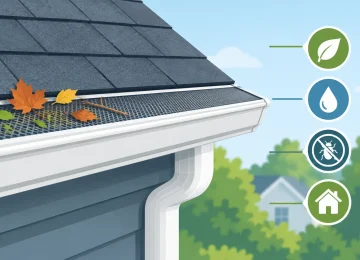
Gutter guards can reduce the amount of debris entering a system, but they are not a substitute for correct gutter sizing, secure installation, or occasional maintenance. The right guard depends on the type of debris around the property. Fine mesh guards can help with small leaves and shingle grit, while other designs may be better suited for larger leaves, pine needles, or heavy seed pods.
For an older home with mature trees, gutter guards can make routine maintenance more manageable and help prevent clogs at downspouts. However, some guard systems may alter how water enters the gutter during intense rain. A professional evaluation should consider roof pitch, nearby trees, and local weather conditions before recommending a product.
Get a System Designed for the Property
The best gutter system is the one that manages the home’s actual water load while respecting its exterior style. It should have the right profile, adequate capacity, correctly sized downspouts, secure mounting, and a discharge plan that keeps water away from vulnerable areas.
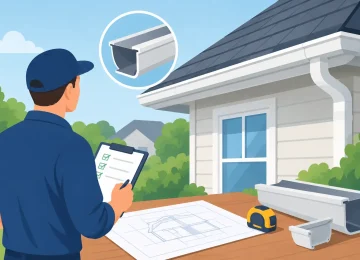
Cavallari Gutters can assess older homes throughout New Jersey and Staten Island for gutter replacement, repairs, and gutter guard options. A clear estimate should address the full drainage system, not just the visible gutter sections.
If your gutters are sagging, leaking at seams, overflowing near valleys, or sending water toward the foundation, do not wait for the next storm to reveal the cost of the problem. A properly fitted system can protect the character of an older home while giving its owner one less maintenance concern.

Leave a Reply