
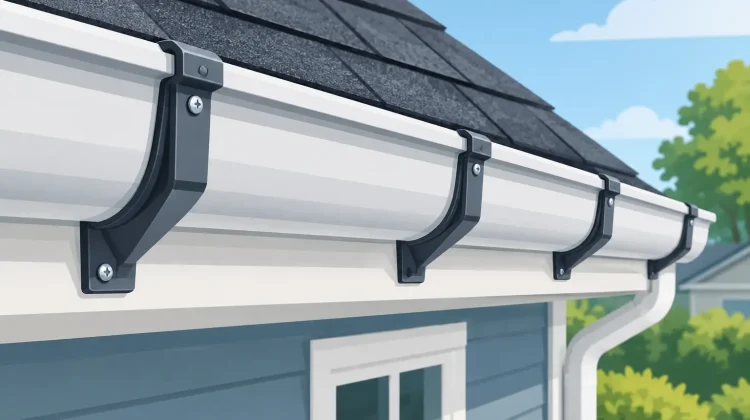
A gutter can look perfectly fine from the ground and still be one heavy storm away from pulling loose. The weak point is often not the gutter itself, but the hardware holding it to the roofline. Durable gutter hangers help keep the system properly supported when it is carrying fast-moving rainwater, wet leaves, snow, and ice.
For homes and commercial properties in New Jersey and Staten Island, that support matters. Seasonal weather puts a real load on gutters, and a loose or failing section can lead to overflow, damaged fascia boards, stained siding, foundation moisture, and unsafe areas around entrances and walkways. Choosing the right hangers is a practical part of protecting the entire drainage system.
Why Durable Gutter Hangers Matter
Gutter hangers secure the gutter to the fascia board along the roof edge. Their job sounds simple, but they carry more responsibility than many property owners realize. When a gutter fills during a downpour, its weight increases quickly. Add trapped debris, standing water, or winter ice, and a poorly supported system can sag, separate, or pull away from the home.
A sagging gutter changes the slope that moves water toward the downspout. Instead of draining, water collects in low spots. It can spill over the front edge, run behind the gutter, or freeze when temperatures drop. Over time, that repeated moisture exposure can damage wood trim and create problems that cost far more than a hanger repair.
Durable hangers help maintain the gutter’s shape, spacing, and alignment. They are especially valuable on long gutter runs, steep roofs, larger roof areas, and buildings surrounded by mature trees. In these situations, the gutter system needs more than a quick attachment – it needs support that is selected and installed for the conditions it will face.
What Makes a Gutter Hanger Durable?
Not all hangers are made from the same material or designed for the same workload. Quality hardware should resist corrosion, hold its shape, and fasten securely into solid material. A hanger that bends easily or a screw that loosens after a few seasons can undermine an otherwise good gutter installation.
Hidden hangers are a common choice for modern seamless gutter systems. Installed inside the gutter, they provide a clean exterior appearance while bracing the front lip of the gutter to the fascia board. When paired with properly sized fasteners and appropriate spacing, they can provide dependable support without distracting from the look of the home or building.
The fasteners matter just as much as the hanger. Long, corrosion-resistant screws are generally preferred because they can reach secure backing behind the fascia rather than relying on a thin or weakened surface. If the wood at the roofline is soft, rotted, or damaged, installing new hangers alone may not solve the problem. The underlying issue needs to be addressed so the new system has a sound attachment point.
Material selection also depends on the gutter type. Aluminum gutters are lightweight and popular, but they still require adequate hanger spacing. Steel systems may require hardware that matches their weight and finish. Copper gutters have their own installation requirements, including compatible materials that reduce the risk of corrosion caused by dissimilar metals. The best choice depends on the gutter material, roof design, local exposure, and condition of the fascia.
Spacing Is Part of the Support System
Even strong hangers cannot perform as intended if they are placed too far apart. Wider spacing leaves more gutter length unsupported, which increases the chance of bowing when water and debris accumulate. In areas that see snow and ice, closer spacing may be advisable to help manage added seasonal weight.
There is no single spacing rule that fits every property. A small ranch home with short runs has different support needs than a commercial building with long roof edges and high-volume drainage. A qualified gutter professional looks at the roof area, gutter size, pitch, drainage layout, and expected debris load before determining how the system should be supported.
Signs Your Existing Gutter Hangers May Be Failing
Loose hangers are not always obvious until the damage has progressed. A visual inspection after a hard rain can reveal a lot. Look for gutters that dip in the middle, water spilling over areas that should drain correctly, or gaps appearing between the gutter and fascia.
You may also notice fasteners backing out, rust marks near attachment points, cracked seams, or a gutter that seems to tilt forward. These signs can indicate that the hangers are overloaded, the fascia board is deteriorating, or the gutter has been installed with insufficient support.
Pay attention to changes around the property as well. Water stains on siding, mulch washed out near the foundation, peeling paint along the roof edge, or puddles near entrances may all point to a drainage issue. The cause is not always the hanger, but hanger failure can be a contributing factor.
If a gutter has pulled away from the building, avoid simply pushing it back into place or adding a few short screws. That approach may hold temporarily while concealing the real problem. The gutter may need to be re-pitched, re-secured with the right hardware, cleaned of excess weight, or replaced if it has been bent beyond a reliable repair.
Installation Quality Makes the Difference
Durable hardware is only as effective as the installation behind it. The gutter needs a consistent slope toward the downspout, secure connections, properly positioned downspouts, and enough support along every run. An installer also needs to account for roof valleys, areas where water concentrates, and sections likely to collect leaves or snow.
This is why gutters should not be treated as a minor exterior detail. They are a water-management system. When they are installed correctly, they move runoff away from the roofline, walls, and foundation before it can cause trouble. When they are undersized, poorly supported, or improperly pitched, even quality materials may not deliver the performance a property needs.
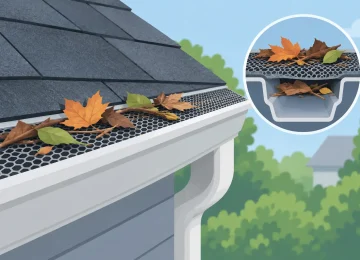
For properties with frequent debris buildup, gutter guards can reduce the amount of leaves and debris sitting in the system. They do not eliminate the need for maintenance, and they will not correct loose gutters or failing fasteners. However, when paired with a properly installed system and periodic cleaning support, guards can help reduce the weight and blockage that place extra stress on hangers.
Repair or Replacement: Which Is the Better Choice?
A repair may be the right answer when the gutter itself is in good condition and only a few hangers, screws, or fascia areas need attention. Re-securing a localized loose section can extend the life of a system when the rest of the gutter is properly pitched and draining well.
Replacement is often more practical when sagging appears across multiple sections, seams are leaking, the gutter is undersized, or corrosion and physical damage are widespread. Replacing an aging system provides the opportunity to improve gutter size, downspout placement, hanger support, and color coordination with the property’s exterior.
Commercial properties require the same careful assessment, often on a larger scale. Long rooflines, flat or low-slope roof transitions, and high runoff volumes can place significant stress on a drainage system. Property managers should address loose gutters promptly, particularly around public entrances, loading areas, and walkways where overflow can create safety concerns.
Protect the Roofline Before a Small Problem Grows
The best time to address a loose gutter is before it pulls free during a storm. A professional evaluation can identify whether the issue is limited to a few worn hangers or whether water damage, poor slope, and outdated gutter sizing are working together.
Cavallari Gutters helps homeowners, property managers, and commercial property owners assess gutter repairs, replacements, and properly supported drainage systems throughout New Jersey and Staten Island. A careful installation focuses on more than attaching metal to a roof edge – it focuses on directing water where it belongs and protecting the property for the long term.
If your gutters are sagging, overflowing, or separating from the fascia, request an estimate before the next heavy rain turns a manageable repair into roofline, siding, or foundation damage.
Leave a Reply