
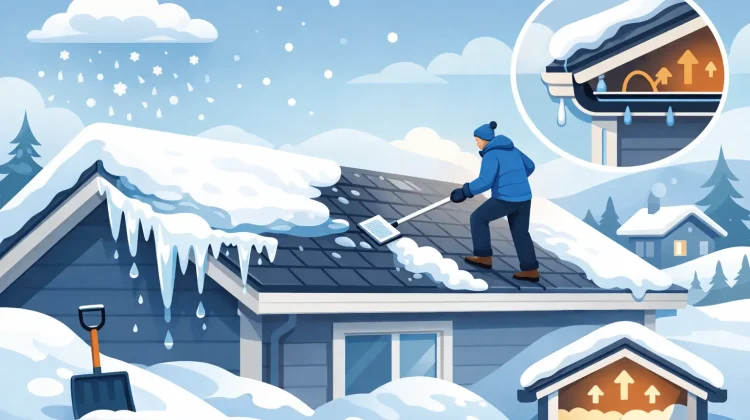
A few inches of snow on the roof can look harmless. Then the weather shifts, meltwater backs up at the eaves, and suddenly you have water stains on a ceiling, peeling paint, or ice hanging off the gutters. If you are wondering how to prevent ice dams, the answer starts with understanding why they form and why gutters are only one part of the bigger picture.
Ice dams happen when heat from the home warms the roof enough to melt snow higher up, while the roof edge stays cold enough for that water to refreeze. Over time, that ridge of ice traps more melting water behind it. Once water has nowhere to go, it can work its way under shingles and into the house. That is why ice dam prevention is really about managing heat, ventilation, insulation, and drainage together.
Why ice dams form in the first place
Most ice dams are not caused by snow alone. They are caused by uneven roof temperatures. A well-performing roof stays cold enough in winter to keep snow from melting prematurely. When part of the roof is warmer than it should be, the melt-freeze cycle begins.
The most common reason is heat loss from the attic. Warm air from living spaces rises and escapes through gaps around light fixtures, attic hatches, plumbing penetrations, and other openings. If the attic is underinsulated or poorly air-sealed, that escaping heat warms the roof deck from below. Snow melts on the upper sections of the roof, runs down toward the colder overhang, and freezes again at the edge.
Gutters can contribute, but they are rarely the root cause by themselves. A clogged or poorly pitched gutter can hold slush and ice at the eaves, which makes backup more likely. Still, even a brand-new gutter system cannot fully solve an attic heat problem. That is where many property owners lose time and money. They fix one visible symptom while the underlying cause remains.
How to prevent ice dams with the right long-term fixes
If you want a reliable answer to how to prevent ice dams, start inside the house before you look at the roof edge. The most effective long-term approach is reducing heat loss into the attic.
Air sealing matters more than many people think
Insulation helps, but insulation alone is not enough if warm air is leaking through the ceiling plane. Air sealing closes the gaps that allow heated indoor air to reach the attic. That can include sealing around recessed lights, vent pipes, wiring penetrations, attic access points, and top plates. In older homes especially, these gaps add up quickly.
This step is often overlooked because you cannot see it from the ground. But from a building-performance standpoint, it is one of the most important parts of prevention. If warm air keeps reaching the underside of the roof, snowmelt will continue.
Proper attic insulation helps keep the roof cold
Once air leaks are addressed, attic insulation helps maintain more even roof temperatures. The goal is not to make the attic warm. The goal is the opposite. You want to keep the heat in the living space below and keep the attic as close as possible to outdoor temperature.
The right insulation level depends on the home, the age of construction, and what is already in place. Some homes need added blown-in insulation. Others need damaged or compressed material replaced. If insulation blocks ventilation paths at the eaves, that can create a different problem, so the work needs to be done carefully.
Ventilation supports the whole system
A balanced attic ventilation system helps remove excess heat and moisture. Typically, that means intake ventilation near the soffits and exhaust ventilation near the ridge or upper roof area. When airflow is blocked or incomplete, attic temperatures can rise unevenly.
Ventilation is not a cure-all. If major air leaks and insulation issues are still present, ventilation alone will not stop ice dams. But when combined with proper air sealing and insulation, it plays an important supporting role.
The gutter role in ice dam prevention
For a gutter contractor, this is where the conversation becomes very practical. Gutters do not create attic heat, but they absolutely affect how meltwater leaves the roofline. A gutter system that is clogged, undersized, damaged, or pitched incorrectly can make winter drainage problems worse.
Clean gutters allow melting snow and ice to move more freely during temperature swings. If debris is packed into the troughs and downspouts before winter starts, water has fewer places to go. That trapped water can freeze into heavy ice and add stress at the roof edge.
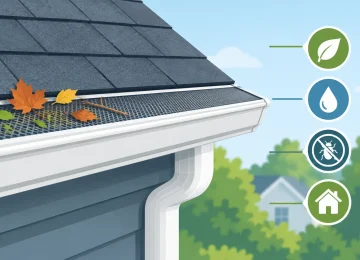
That said, there is a trade-off here. Gutter guards can reduce debris buildup and cut down on maintenance, but not every guard performs the same way in every property setting. Tree coverage, roof design, and the type of winter weather all matter. A good system should support drainage and reduce clogs without creating its own maintenance issues.
Keep downspouts clear and flowing
A gutter is only as effective as its outlet. If downspouts are clogged or discharge poorly, water can back up in the entire system. In freezing conditions, that backup can contribute to icing at the eaves.
Before winter, it makes sense to verify that downspouts are clear, securely attached, and directing water away from the foundation. For commercial and multi-unit properties, this is even more important because greater roof area means greater water volume during freeze-thaw cycles.
Repair loose or sagging gutter sections
When gutters pull away from the fascia or develop low spots, water tends to collect and freeze in place. That extra ice load can damage fasteners, strain the gutter system, and create more drainage problems. Small alignment issues are easy to ignore in fair weather, but winter exposes them quickly.
A properly secured and correctly pitched gutter system supports runoff better during changing temperatures. It is not a substitute for roof and attic improvements, but it is an important part of protecting the roof edge.
Smart seasonal steps homeowners can take
There are also short-term measures that help reduce risk during the winter season. These are not the same as permanent prevention, but they can be useful when weather is already in motion.
Removing heavy snow from the roof edge with a roof rake can help, especially after major snowfall. The key is doing it safely from the ground and avoiding damage to shingles. You do not need to clear the whole roof in most cases. Reducing buildup along the lower few feet can limit the amount of meltwater reaching the cold eaves.
If you already have an ice dam forming, professional steam removal is generally safer than chopping or hammering at the ice. Mechanical removal can damage roofing materials and gutters. It can also be dangerous for anyone working at height in winter conditions.
Heat cables are another option some property owners consider. They can help create drainage channels in problem areas, but they are not always the best first answer. They use electricity, require proper installation, and treat the symptom more than the cause. In some homes they make sense. In others, the better investment is correcting insulation, ventilation, and drainage issues instead.
Warning signs that your property is at risk
Some signs show up before interior leaks start. Large icicles along the roof edge, ice buildup in gutters, uneven snow melt patterns, and recurring winter overflow are all red flags. Frost in the attic can also point to air leakage and ventilation problems.
Inside the building, water stains near exterior walls or ceiling edges can signal that meltwater is backing up under the roofing. At that point, the issue has already moved beyond nuisance and into property protection. The sooner it is addressed, the better chance you have of avoiding damage to insulation, drywall, trim, and framing.
When to bring in a professional
Ice dams are one of those problems where a quick visual guess can be misleading. A homeowner might see ice at the gutter and assume the gutter is the whole issue. Another might blame the roof covering when the real problem is in the attic. The right fix depends on where the heat is coming from, how the roof drains, and whether the gutter system is doing its job.
That is why a practical evaluation matters. A contractor focused on drainage can identify gutter slope issues, debris patterns, weak attachment points, and downspout problems. An insulation or roofing specialist may need to address attic and roof performance. In many cases, the best results come from looking at the home as a system rather than as separate parts.
For property owners in New Jersey and Staten Island, winter weather can expose every weakness along the roofline. Cavallari Gutters works with homeowners and property managers who need drainage systems that perform reliably, not just in a storm but through freeze-thaw conditions that test every component.
The good news is that ice dams are usually preventable when the problem is addressed early and correctly. A clean, properly functioning gutter system helps. A well-sealed, insulated, and ventilated attic helps even more. When those pieces work together, your home is in a much better position to handle winter the way it should.
Leave a Reply