
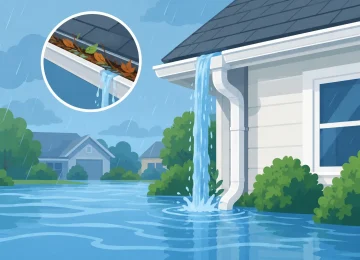
A clogged downspout can turn a routine rainstorm into a property problem fast. Water that should move safely away from the building can spill over roof edges, soak siding, flood walkways, and collect near the foundation. A commercial gutter maintenance plan gives property owners and managers a dependable way to catch those issues before they lead to tenant complaints, expensive repairs, or avoidable disruption.
For commercial buildings in New Jersey and Staten Island, gutters work hard through spring pollen, summer storms, falling leaves, winter debris, and freeze-thaw cycles. The right plan is not just about cleaning out leaves. It is about confirming that the entire drainage system is secure, properly pitched, clear, and moving water where it belongs.
Why a Commercial Gutter Maintenance Plan Matters
Commercial properties often have more roof area, longer gutter runs, and more complex drainage than a typical home. A small obstruction or loose connection can affect a large section of the building. Water may overflow in an area that is not visible from the ground, allowing damage to develop behind fascia boards, siding, roof edges, or interior walls.
Regular maintenance protects more than the gutters themselves. It helps protect the foundation, landscaping, exterior finishes, entryways, and roofline. It can also reduce the risk of icy runoff near doors and walkways during cold weather, which matters for both safety and property appearance.
Waiting until water is visibly pouring over the gutter is rarely the most cost-effective approach. By then, brackets may be pulling away, seams may be leaking, or a downspout may already be backing up. Scheduled service makes maintenance predictable and helps building owners budget for repairs before a minor problem becomes a replacement project.
What to Include in a Commercial Gutter Maintenance Plan
A useful plan should be tailored to the building, not copied from a generic calendar. A low-rise retail property beneath mature trees needs different attention than a warehouse with a large, open metal roof. Roof design, nearby vegetation, drainage layout, and the building’s use all affect the recommended schedule.
Set a practical service schedule
For many commercial properties, gutter cleaning and inspection twice per year is a sensible starting point: once after spring debris and once after the main fall leaf drop. Properties surrounded by trees, located near pine needles, or subject to frequent windblown debris may need service three or four times each year.
Storm-related checks also have value. Heavy rain, strong winds, and snow or ice can shift gutter sections, loosen fasteners, and force debris into downspout openings. A quick post-storm inspection is particularly helpful when a property has previously experienced overflow or drainage concerns.
The goal is not to schedule work more often than necessary. It is to schedule it often enough that debris does not sit in the system long enough to create standing water, corrosion, rot, or blockage.
Inspect the full drainage path
Cleaning is only one part of the visit. A professional inspection should follow water from the roof edge to the final discharge point. That means looking at gutter channels, end caps, seams, hangers, downspouts, elbows, outlets, and extensions or underground connections where applicable.
During service, the crew should watch for four common conditions:
- Debris buildup that restricts water flow, including leaves, seed pods, roofing granules, and nesting material.
- Sagging, improperly pitched, or loose gutter sections that allow water to stand instead of draining.
- Leaks at seams, corners, end caps, and downspout connections.
- Discharge points that release water too close to the foundation, entrance, or landscaped areas.
A system can appear clean from the ground and still fail during a storm. Downspouts are a frequent trouble spot because they can clog at elbows, underground drains, or lower exits where debris is difficult to see.
Document findings and repair needs
For property managers, documentation is one of the most useful parts of a maintenance plan. After each service visit, keep a record of the work completed, the conditions found, and any recommended repairs. Photos can help show an owner why a repair is needed and make it easier to track recurring trouble spots.
This is especially valuable for multi-tenant, mixed-use, and managed properties. If an occupant reports a leak near an entrance or a wet area around the building, service records give you a clearer starting point. They also help distinguish a one-time storm event from an ongoing drainage issue.
Address repairs before they spread
Not every maintenance visit will uncover a major concern, but small repairs should not be ignored. Loose hangers can cause a gutter run to pull away under the weight of water and debris. A separated downspout can send water directly against the building. A leaking corner can stain siding and wash out landscaping below.
Repairs may involve resecuring sections, resealing joints, replacing damaged components, correcting pitch, or upgrading undersized gutters and downspouts. The appropriate solution depends on what is causing the problem. Adding sealant to a seam may help a localized leak, but it will not solve a system that is too small for the roof area or draining poorly because of improper pitch.
How Often Should Commercial Gutters Be Serviced?
There is no single schedule that fits every property, but twice-yearly maintenance works well for many buildings. Start with a spring inspection and cleaning after winter, followed by a fall visit after leaves have dropped. Then adjust based on what the system collects and how it performs during rain.
More frequent service is often worthwhile when a building has mature trees nearby, flat or low-slope roof areas that shed debris, multiple roof transitions, or underground drainage connections. Restaurants, medical offices, retail centers, apartment buildings, and professional offices may also prioritize appearance and safe entrances, making proactive service a better fit.
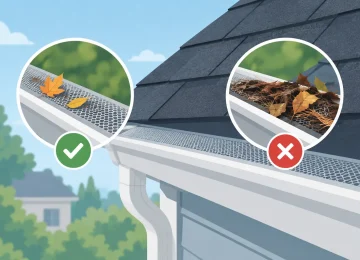
A property with gutter guards still needs inspection. Guards can reduce the amount of large debris entering the gutter, but they do not eliminate maintenance. Fine debris can collect on top of guards, outlets can clog, and the system itself still needs to be checked for secure attachment and proper drainage. Gutter guards work best as part of a maintenance strategy, not as a reason to stop inspecting the system.
Watch for These Warning Signs Between Visits
Property staff do not need to climb ladders to notice drainage issues. During or shortly after rain, look for water spilling over the front edge of gutters, dripping from seams, running down exterior walls, or pooling near the foundation. Stains on siding, peeling paint around roof edges, soil erosion, and unusually wet landscaping can all point to a gutter or downspout problem.
Inside the building, a ceiling stain near an exterior wall may be related to roofing, flashing, or gutter overflow. The source should be evaluated rather than assumed. Water can travel before it becomes visible, and a prompt inspection can prevent further damage.
It is also wise to pay attention to downspouts that are loose, crushed, disconnected, or draining onto a sidewalk. These conditions affect both water management and the professional appearance of the property.
When Cleaning Is Not Enough
Some drainage problems are signs that the current system needs more than routine upkeep. If gutters overflow even when they are clear, the issue may be undersized capacity, inadequate downspout placement, or a pitch problem. If water repeatedly reaches the foundation, extensions or a different discharge approach may be needed.
Older systems can also develop multiple leaks, corrosion, and failing fasteners over time. Repeated patching may make sense for a limited repair, but there is a point where replacement provides better long-term value. A gutter specialist can evaluate the condition of the system and recommend repairs or replacement based on the building’s roofline, drainage needs, and budget.
Cavallari Gutters helps commercial property owners and managers evaluate gutter performance, complete needed repairs, and establish maintenance support that fits the property. Clear communication and dependable follow-through matter when drainage issues affect your building, tenants, and daily operations.
A well-maintained gutter system is easy to overlook when it is doing its job. That is exactly the point: schedule attention before the next heavy storm, and let the water leave your property the way it should.
Leave a Reply