
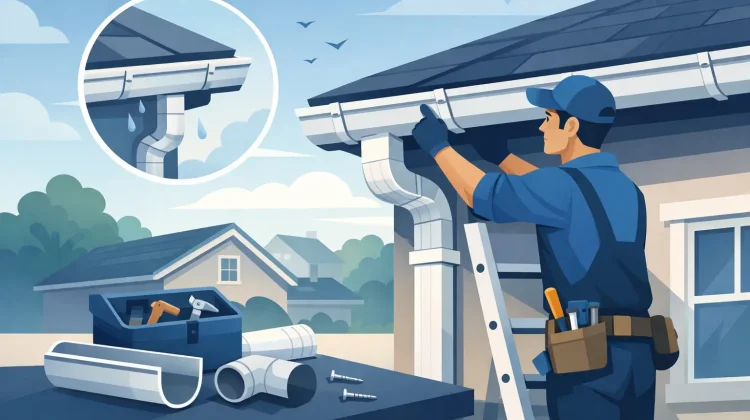
A gutter system usually gets attention only after something goes wrong. Water spills over the front edge during a storm, mulch washes out, fascia starts to rot, or a basement wall begins showing moisture. That is why a solid residential gutter installation guide matters. Good gutters do more than move rainwater off the roof – they protect siding, foundations, landscaping, soffits, and the long-term condition of the home.
For homeowners in New Jersey and Staten Island, gutter performance is not a minor detail. Heavy rain, wind, leaf buildup, and winter freeze-thaw cycles can expose weak installation work fast. A system that looks fine from the ground may still be undersized, pitched incorrectly, or draining to the wrong area. Installation is not just about attaching metal along the roofline. It is about managing water in a way that fits the house.
What a residential gutter installation guide should help you decide
The right gutter system starts with the structure itself. Roof size, slope, valleys, fascia condition, overhang depth, and the layout of the property all affect how water should be collected and discharged. A one-story ranch with simple roof lines needs a different approach than a taller home with dormers, multiple valleys, and tight drainage space between neighboring properties.
Material is one of the first choices homeowners think about, but it should not be the only one. Aluminum remains a common option because it is durable, cost-effective, and available in a wide range of colors. Copper has a very different price point and appearance, and it can be a strong fit for certain homes, especially where curb appeal matters. The trade-off is budget. Vinyl is cheaper upfront, but in climates with temperature swings, it often does not hold up like professionally installed metal systems.
Size matters too. Many homes do well with standard 5-inch gutters, but that is not a universal answer. A larger roof area or steeper pitch may call for 6-inch gutters to better handle water volume. Bigger is not always necessary, but undersizing leads to overflow problems that homeowners often mistake for clogging.
Why proper installation matters more than the gutter itself
A quality gutter product can still fail if it is installed poorly. This is where many problems begin. Gutters need the correct pitch so water flows toward downspouts without standing in the trough. Too much pitch looks uneven and can reduce performance. Too little pitch leaves water sitting in sections, which adds weight and increases wear.
Fastening also matters. Gutters should be secured to hold up under rain load, wind, and seasonal debris. Loose spikes, weak brackets, or improper spacing can lead to sagging. Once sagging starts, water no longer moves the way it should, and the problem tends to spread.
Downspout placement is another detail that gets overlooked. If downspouts are installed only where convenient, not where drainage actually works best, water may end up pooling near the foundation, crossing walkways, or dumping into planting beds. The goal is not simply to get water out of the gutter. It is to move it away from the home in a controlled way.
Residential gutter installation guide for system planning
Before installation day, a professional should evaluate more than measurements. The fascia board needs to be sound enough to support the new system. If wood is soft, split, or rotted, replacing the gutter alone will not solve the issue. Installing over damaged fascia can shorten the life of the entire project.
Roof edge conditions should also be reviewed. Drip edge placement, shingle overhang, and lower roof transitions can all affect how water enters the gutter. If rainwater overshoots the trough during storms, the issue may be roof-related as much as gutter-related.
This planning stage is also when discharge routes should be addressed. Extensions, splash blocks, underground drains, or adjusted downspout locations may all be part of the solution. Every property handles runoff differently. A flat lot, for example, may need more deliberate drainage planning than a property with natural slope.
Seamless vs. sectional gutters
For most residential projects, seamless gutters are the preferred choice. They are custom-formed to fit the home and have fewer joints, which means fewer potential leak points. They also tend to look cleaner along the roofline.
Sectional gutters are made from pre-cut pieces joined together during installation. They can work in certain situations, but more seams usually mean more maintenance over time. Joints can separate, trap debris, or begin leaking as the system ages. For homeowners focused on long-term performance, seamless systems are often the better investment.
That said, no system is maintenance-free. Even seamless gutters can clog if trees surround the home or if downspouts are not kept clear. Good installation reduces problems. It does not remove the need for periodic inspection.
Choosing the right downspouts and drainage layout
Downspouts are not just accessories attached at the end. They are essential to system performance. If there are too few downspouts, the gutters may fill too quickly during heavy rain. If they are too small, water can bottleneck and overflow.
A proper layout balances appearance with function. Homeowners understandably want clean lines and minimal visual impact, but drainage performance has to come first. On some homes, adding a downspout in a less noticeable area can prevent repeated overflow at a roof valley or corner.
Extensions should also be considered part of the installation plan, not an afterthought. Water discharged too close to the home can lead to foundation stress, erosion, stained masonry, or icy patches in winter. A good contractor looks at where the water ends up, not just how it gets off the roof.
Gutter guards: worth it or not?
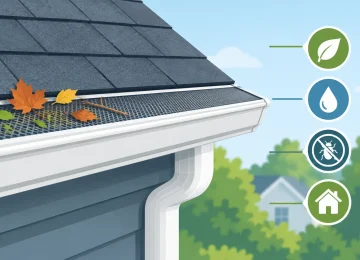
Gutter guards can be a smart addition, especially in areas with frequent leaf and seed buildup. They help reduce the amount of debris entering the system and can cut down on cleaning frequency. For many homeowners, that means less maintenance and less risk of blockage during storm season.
But gutter guards are not a blanket fix for every house. Some rooflines, tree types, and debris patterns still require occasional cleaning and inspection. Fine debris can collect on top of certain guard styles, and poorly matched products can interfere with water flow in heavy rain.
The best approach is to treat gutter guards as part of a complete water management plan. They work best when paired with properly sized gutters, correct pitch, and a realistic maintenance schedule.
Signs your home may need replacement, not repair
Some gutter issues can be repaired. Others point to a system that has reached the end of its useful life. If you are seeing repeated leaks at seams, widespread sagging, rust, detached sections, or chronic overflow despite cleaning, replacement may make more sense than continuing to patch problem areas.
Cosmetic concerns can matter too. Faded, mismatched, or outdated gutters may not protect the home any better simply because they are still hanging in place. If the system no longer fits the drainage needs of the property, appearance is only part of the story.
A professional assessment can help separate a localized issue from a system-wide one. That is especially useful before other exterior work is done, such as roofing, siding, or trim replacement.
What to expect from a professional installer
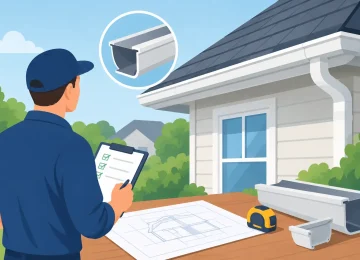
A dependable installer should start with a clear evaluation of the home, explain material and sizing options, and identify any fascia or drainage concerns before the work begins. Homeowners should also expect straightforward communication about scope, timing, and warranty coverage.
Clean workmanship matters. So does follow-through. Gutters are a visible part of the exterior, but they are also a functional protection system. The job should leave the property looking clean and draining properly when the next storm hits.
For homeowners who want a system tailored to local weather and property conditions, working with a gutter specialist often makes a difference. A company focused on this trade understands the details that general exterior crews may miss. Cavallari Gutters approaches installation that way – with attention to drainage performance, clean execution, and service that continues after the job is done.
The cost question homeowners always ask
Gutter installation costs depend on the size of the home, material choice, system size, number of downspouts, color selection, and whether fascia repairs or gutter guards are included. A simple replacement on a straightforward roofline will cost less than a custom installation on a larger or more complex home.
The cheapest estimate is not always the lowest long-term cost. If the system is undersized, loosely attached, or planned without proper discharge, future repairs can erase any short-term savings. Value comes from fit, workmanship, and reliability.
If you are comparing estimates, ask what is actually included. Gauge of material, hanger spacing, downspout count, cleanup, warranty terms, and disposal of old gutters all affect the real scope of the project.
The best gutter installation is the one that quietly does its job every time it rains. If your current system is overflowing, pulling away, or simply not built for the home it is protecting, it may be time to look at the bigger drainage picture and get the right fix in place before the next storm tests it.

Leave a Reply