
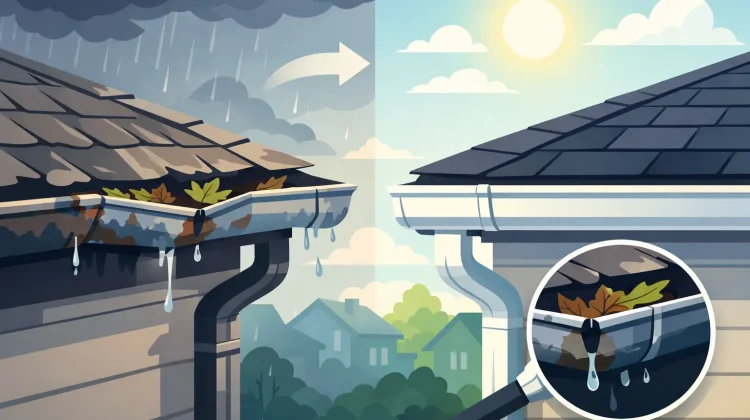
A gutter system usually does not fail all at once. It starts with a seam that opens, a section that pulls away from the fascia, or water that spills over in one corner during a hard rain. If you are asking when should gutters be replaced, the real answer depends on what the system is doing to your property right now – and whether repairs are still protecting the structure the way they should.
For homeowners and property managers, that distinction matters. Gutters are not just trim along the roofline. They control runoff, protect siding, reduce soil erosion, help prevent foundation moisture issues, and keep water away from entrances, windows, and landscaping. When the system stops doing that job consistently, replacement becomes less of a cosmetic decision and more of a property protection decision.
When should gutters be replaced instead of repaired?
Some gutter problems are repair issues. Others are signs the system is at the end of its useful life. A good contractor should be able to tell the difference clearly.
Repairs usually make sense when the issue is isolated. That might mean a loose hanger, a small leak at a seam, a minor pitch correction, or a downspout that needs to be resecured. If the rest of the system is in solid condition, a targeted repair can restore performance without the cost of full replacement.
Replacement is usually the better move when problems are widespread or recurring. If multiple sections are leaking, the gutters are separating in several places, rust is active, or the system is sagging along long runs, repairing one area at a time often turns into an expensive cycle. You pay for patchwork, but you still do not get reliable drainage.
The practical question is not just whether a gutter can be fixed. It is whether fixing it will give you a dependable result through the next few seasons.
The clearest signs your gutters need replacement
Visible damage is one of the strongest indicators. Cracks, holes, corrosion, separated joints, and bent sections all reduce performance. One small crack may be repairable. Several damaged areas across the system usually point to replacement.
Sagging is another major warning sign. Gutters should sit tight to the roofline with the proper pitch to carry water toward the downspouts. When they pull away from the fascia or dip in the middle, water starts to pool. That added weight stresses fasteners and can damage the fascia board behind the gutter as well.
Water marks on siding or staining near the foundation are also worth taking seriously. If gutters overflow during storms even after cleaning, the problem may not be debris alone. The system may be undersized, improperly pitched, or simply worn out. In those cases, replacement is often more effective than repeated maintenance.
Peeling paint, mildew near the roof edge, and soil erosion below the gutter line can all signal chronic water mismanagement. So can basement dampness or puddling near the structure after rainfall. Gutters are only one part of drainage, but when they fail, the impact shows up in places that cost much more to repair than the gutter system itself.
How long do gutters usually last?
Lifespan depends on material, weather exposure, maintenance, and installation quality. Aluminum gutters, which are a common choice for residential properties, often last around 20 years or longer when properly installed and maintained. Copper can last much longer. Vinyl tends to have a shorter life, especially in areas with temperature swings.
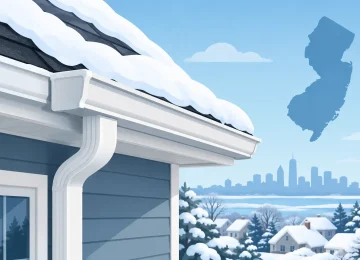
That said, age alone does not decide it. A 12-year-old system installed poorly may need replacement before a 20-year-old system that has been maintained correctly. In New Jersey and Staten Island, gutters deal with heavy rain, snow, ice, wind, and debris from mature trees. Those local conditions can shorten service life if the system is undersized or neglected.
If your gutters are approaching the later part of their expected lifespan and showing more than one symptom of failure, replacement often makes better financial sense than continuing to repair aging components.
When age and condition start working against you
There is a point where the condition of the system matters more than any single repair. Older sectional gutters are a common example. Because they have multiple joints, they naturally have more potential leak points. Over time, sealants dry out, connections shift, and repeated expansion and contraction create weakness.
If you are seeing leaks at several seams, one repair may only buy limited time. The next heavy storm can reveal another weak point a few feet away. Seamless gutter replacement can reduce those joint-related issues and create a cleaner, more reliable system overall.
The same logic applies when you are dealing with wood rot behind the gutters. If moisture has already affected fascia or soffits, a full evaluation is important. Replacing only the most visibly damaged section may leave hidden issues in place and allow the problem to continue.
Performance problems matter as much as visible damage
Some gutters look acceptable from the ground but still fail during real weather. That is why storm performance is one of the best indicators.
If water shoots over the front edge during routine rain, the gutters may be clogged, pitched incorrectly, too narrow for the roof area, or obstructed at the downspouts. If this keeps happening after cleaning and minor repairs, the system may need redesign and replacement rather than another temporary fix.
Commercial buildings and larger homes especially need the right capacity. Roof size, slope, drainage concentration, and downspout placement all affect performance. A system that is technically intact but consistently overwhelmed is not doing its job. In that case, replacement is about correcting the design as much as replacing old material.
Should you replace gutters before selling a property?
Sometimes, yes. If the gutters are visibly damaged, leaking, or hanging unevenly, buyers notice. So do home inspectors. What seems like a minor exterior issue can raise broader concerns about water intrusion, deferred maintenance, and structural care.
For homeowners preparing to sell, replacement can improve curb appeal and reduce inspection-related objections. For realtors and property managers, a clean, properly functioning system can help a property present as well maintained. That does not mean every older gutter system should be replaced before listing, but obvious failure is rarely worth leaving unaddressed.
Why repeated repairs can cost more over time
Many property owners delay replacement because repairing a gutter section feels more manageable. That is understandable. But repeated service calls add up quickly, especially when the underlying issue is age, poor design, or widespread wear.
There is also the cost of waiting too long. Water does not stay politely at the gutter line. It works its way into fascia, siding, trim, foundations, and landscaping. A gutter replacement may feel like a larger decision in the moment, but it is often the lower-cost option compared with repairing water damage later.
A dependable contractor should walk you through that trade-off honestly. Sometimes the right recommendation is repair. Sometimes replacement is the responsible call because it protects the building better and saves money over the long run.
What to expect from a professional assessment
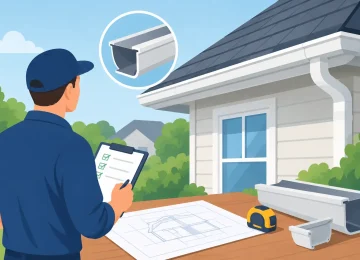
A proper gutter evaluation should look at more than whether water is dripping from one spot. The contractor should check fastening points, pitch, downspout placement, overflow patterns, seam condition, material wear, and any signs of damage to adjacent exterior components.
They should also consider the building itself. Roof area, drainage volume, tree coverage, and local weather exposure all affect what type of system will perform best. For homes and commercial properties in this region, that local experience matters. The right recommendation is not just about replacing gutters. It is about installing a system that handles real runoff and protects the structure consistently.
At Cavallari Gutters, that means looking at the full picture, explaining the options clearly, and recommending repair or replacement based on what will actually serve the property best.
So, when should gutters be replaced?
They should be replaced when they no longer manage water reliably, when damage is widespread, when repairs are becoming repetitive, or when the system design is no longer appropriate for the building. In some cases, that happens because of age. In others, it happens because the gutters were never the right fit to begin with.
If your gutters are leaking in multiple places, pulling away from the roofline, overflowing in storms, or contributing to visible moisture issues around the property, it is time for a closer look. A good gutter system should not leave you guessing every time it rains. It should do its job quietly, season after season, and help protect everything below it.
Leave a Reply