
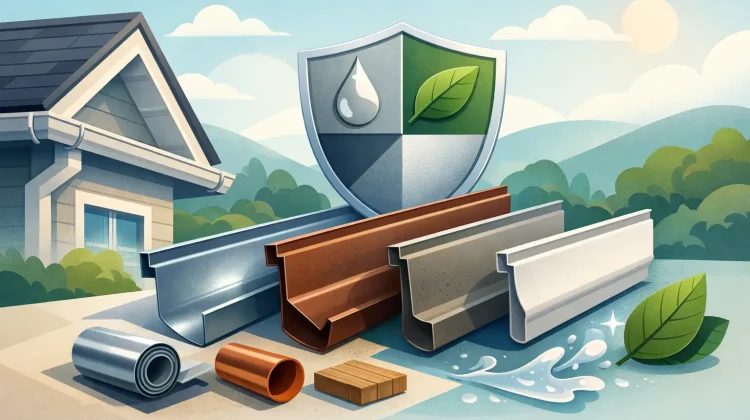
If you are wondering how to choose gutter material, the wrong place to start is color or price alone. The better place to start is what your gutter system needs to do on your property – handle heavy rain, resist corrosion, fit the look of the building, and hold up for years without constant repairs.
That matters in New Jersey and Staten Island, where gutters are expected to manage coastal moisture, seasonal storms, freezing temperatures, and falling debris. A material that looks fine on paper may not be the best match for your roofline, tree coverage, or maintenance goals. Choosing well means looking at performance first and finish second.
How to Choose Gutter Material for Your Property
The best gutter material is not always the most expensive one. It is the one that fits the structure, the drainage demands, and the level of upkeep you are willing to take on.
For a smaller home with a straightforward roof, one material may do the job well at a reasonable cost. For a larger home, a mixed-use property, or a building with long gutter runs and heavy water volume, strength and long-term durability become more important. If your property has mature trees, debris buildup and added weight during storms should also influence the decision.
A good gutter system is part of your building’s water management system, not just a trim detail. When gutters fail, water can affect siding, fascia, soffits, landscaping, walkways, and even the foundation. That is why material choice should be based on how the system will perform year after year.
The Most Common Gutter Materials
Aluminum gutters
Aluminum is one of the most common choices for residential properties, and for good reason. It is lightweight, rust-resistant, available in many colors, and generally cost-effective. It also works well for seamless gutter fabrication, which helps reduce leak points.
For many homeowners, aluminum offers the best balance of price, appearance, and durability. The trade-off is that thinner aluminum can dent from ladders, branches, or impact. Heavier-gauge aluminum performs better, so it is worth asking not just whether the gutter is aluminum, but how substantial the material is.
Copper gutters
Copper is often chosen for its appearance, longevity, and premium feel. It develops a natural patina over time and can add character to historic homes, higher-end properties, and buildings where curb appeal matters.
It is also one of the more expensive options, both in material and installation. Copper is not usually the practical choice for every property, but it can be the right one when aesthetics, lifespan, and architectural fit are top priorities.
Galvanized steel gutters
Steel gutters are stronger than aluminum and can be a good option when durability is the main concern. They hold up well under heavier loads and are less likely to dent.
The downside is rust risk over time, especially if the protective coating wears down or the system is not maintained properly. In areas with ongoing moisture exposure, that is a serious consideration. Steel can perform well, but it usually requires more attention than aluminum.
Vinyl gutters
Vinyl gutters are usually the most budget-friendly option upfront. They do not rust and can be simple to install, which makes them attractive for some property owners.
Still, vinyl tends to be less durable in the long run. It can become brittle, crack in cold weather, and warp with temperature swings. For properties exposed to harsh seasonal changes, vinyl often becomes a short-term solution rather than a long-term investment.
Zinc gutters
Zinc is less common than aluminum or copper, but it is valued for durability and longevity. It develops a protective patina and can last for decades when installed properly.
Like copper, it comes at a higher price point and is typically selected for custom or premium projects. It is not the standard choice for every home, but it can make sense for owners focused on lifespan and a more distinctive finish.
What Matters More Than the Material Alone
When people ask how to choose gutter material, they are often really asking how to avoid future problems. Material matters, but the system design matters just as much.
Gutter size, downspout placement, pitch, hanger spacing, and whether the gutters are seamless all affect performance. A high-quality material installed poorly can still overflow or leak. A more modest material installed correctly for the roof’s water load will usually perform better.
That is especially true on larger homes and commercial buildings, where roof valleys, long runs, and drainage concentration can overwhelm undersized systems. In those cases, the right answer may involve both a stronger material and a larger gutter profile.
Budget vs. Long-Term Value
Price always matters, but it should be viewed over the expected life of the system. Lower upfront cost does not always mean lower overall cost.
Vinyl may look attractive at the estimate stage, but if it cracks or sags sooner, replacement comes faster. Aluminum often gives better long-term value because it performs well for many properties without the high cost of copper or zinc. Steel can make sense when strength is needed, but maintenance should be factored in. Premium metals cost more at the start, yet they may offer decades of service and a strong visual return on the right property.
A good way to look at it is this: if you plan to stay in the property, long-term durability usually deserves more weight. If the building is being prepared for sale or renovation on a tighter budget, the right practical option may be different.
Matching the Material to the Property
Older homes, custom homes, and historic-style properties often benefit from materials that support the architecture. Copper and zinc are often selected for this reason, but heavier aluminum in the right color can also complement the design while keeping costs under control.
For many standard residential properties, aluminum is the dependable choice because it is versatile and available in a wide range of colors and profiles. For commercial properties or buildings with more demanding drainage conditions, strength, capacity, and maintenance planning often matter more than decorative appeal.
If the building is surrounded by trees, the material should be able to handle debris weight and regular cleaning. If the property is near the coast or exposed to persistent moisture, corrosion resistance becomes more important. There is no one-size-fits-all answer, which is why a site-specific recommendation is usually the most reliable path.
Maintenance Should Influence the Decision
Some property owners do not mind periodic upkeep. Others want a system that stays dependable with as little attention as possible. Be honest about that from the beginning.
Aluminum is generally low maintenance and resists rust, which is part of its appeal. Steel may need closer monitoring over time. Copper and zinc age naturally, but they still need professional installation and routine inspection. Vinyl may seem simple, but frequent repairs or replacement can create its own maintenance burden.
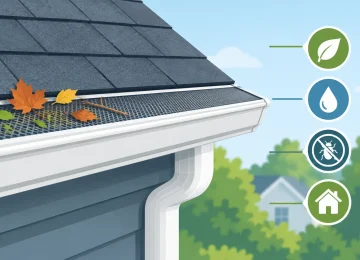
If clogging is already a problem on your property, gutter guards may also be part of the conversation. The right guard system does not replace smart material selection, but it can support the performance and lifespan of the gutters you choose.
How to Choose Gutter Material Without Guessing
The safest approach is to treat gutter material as a property decision, not a catalog decision. You want to account for roof size, slope, local weather, nearby trees, building style, and how long you expect the system to last.
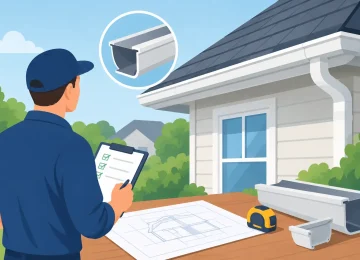
That is why an on-site evaluation is valuable. A gutter specialist can identify drainage pressure points, signs of past overflow, fascia issues, and the practical demands your system will face. In many cases, the right recommendation is not about selling the most expensive option. It is about installing the one that will protect the property and hold up under local conditions.
At Cavallari Gutters, that is how we approach it – with the structure, the drainage pattern, and the long-term result in mind. The goal is not just to install gutters that look good on day one, but a system that continues doing its job when the next heavy storm hits.
If you are comparing materials, think beyond the estimate sheet. The right gutter material should make your property easier to protect, easier to maintain, and less likely to surprise you with costly water issues later.

Leave a Reply