
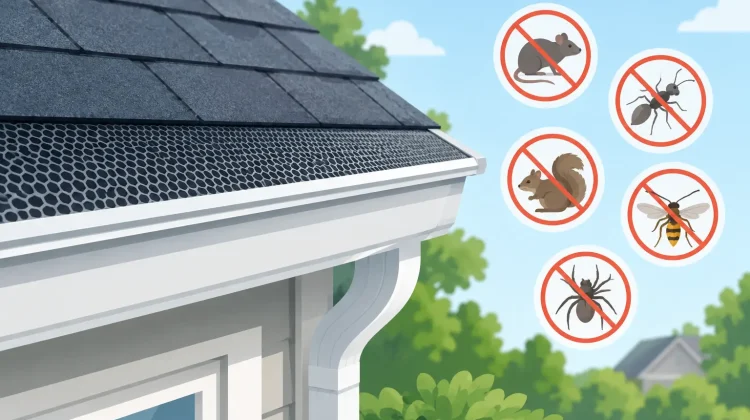
A gutter full of wet leaves can become more than a drainage problem. It can hold standing water, create a sheltered nesting spot, and give insects and small animals an easy path along the roofline. So, do gutter guards prevent pests? They can significantly reduce the conditions that attract many common pests, but they are not a complete barrier against every animal or insect.
A properly selected and installed gutter guard helps keep large debris out of the gutter trough. That means less decaying organic material, less trapped moisture, and fewer places for pests to feed, breed, or nest. The results depend on the type of guard, the condition of the existing gutter system, and whether the roofline has other entry points that need attention.
How Gutter Guards Help Prevent Pest Problems
Open gutters collect leaves, twigs, roof granules, seed pods, and other debris throughout the year. Once that material gets wet, it can form a dense layer that holds moisture long after a storm has passed. Mosquitoes may use standing water to breed, while ants, earwigs, spiders, and other insects can find cover in damp buildup.
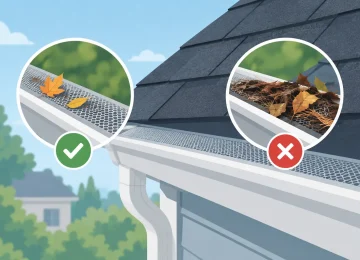
Gutter guards limit the amount of debris that enters the system in the first place. Water can move into the gutter while most leaves and larger material remain on top, where wind or normal roof runoff can carry them away. A cleaner gutter is less likely to become a damp, protected habitat.
Guards can also make the gutter line less appealing to birds, squirrels, and rodents. These animals may pull loose debris into an open gutter to build nests, especially near downspout openings or under low-hanging tree branches. By closing off access to the trough, guards remove one of the easier nesting locations around the roof edge.
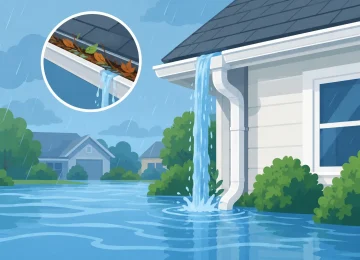
That benefit matters beyond pest control. Debris buildup can restrict water flow, causing overflow that affects siding, fascia boards, landscaping, walkways, and foundations. Keeping gutters clearer helps protect the drainage system and reduces maintenance concerns at the same time.
Which Pests Can Gutter Guards Deter?
Gutter guards are most effective against pests that depend on accumulated debris, standing water, or open access to the gutter channel. They can help discourage mosquitoes by reducing water-holding clogs. They can also make it harder for birds, squirrels, mice, and insects to use the gutter as a sheltered place to nest or hide.
The level of protection varies. Fine mesh guards can block small debris and offer a tighter barrier against insects than wider-opening screens. More open guard styles may still keep out leaves but could allow smaller pests or fine roof debris into the system. The best choice depends on the trees around the property, roof pitch, gutter size, and local pest concerns.
For properties in New Jersey and Staten Island, seasonal leaf drop is a major issue, but it is not the only one. Maple seeds, pine needles, acorns, and windblown debris can create clogs in different ways. A guard system should be chosen for the actual conditions around the building, not simply because it is advertised as a one-size-fits-all solution.
What Gutter Guards Cannot Do
Gutter guards do not make a home pest-proof. Squirrels can travel across roofs and utility lines. Birds may nest beneath eaves or in damaged soffits. Mice and insects can enter through gaps around vents, siding, trim, and roof penetrations. If pests already have access to the attic or wall cavities, a gutter guard alone will not solve that problem.
Guards also require the gutter system beneath them to be in good condition. A guard installed over sagging gutters, loose hangers, improper slope, or a clogged downspout will not correct the underlying drainage issue. In some cases, debris can collect on top of the guard, especially after heavy leaf fall or storms. It usually clears more easily than debris inside an open gutter, but periodic inspection is still necessary.
The goal is not to promise zero pests or zero maintenance. The goal is to reduce the debris and moisture that invite problems while helping water move where it belongs.
The Installation Details That Make a Difference
A gutter guard only works as well as its fit. Gaps at the roof edge, seams, corners, and end caps can leave room for debris and pests to enter. Poorly secured guards can lift in wind, collect debris, or interfere with water flow during a hard rain.
Before installing guards, the existing gutters should be cleaned and checked for damage. Downspouts need to be open, gutter sections should have proper pitch, and loose or leaking connections should be addressed. If the system overflows now, placing guards over it without repairs can hide the problem rather than fix it.
The right guard should also work with the roof and gutter design. A system that performs well on one home may not be the best fit for a steep roof, a commercial building with a large drainage area, or a property surrounded by mature trees. Professional installation allows the guard, gutter size, and downspout capacity to be evaluated together.
At Cavallari Gutters, that practical approach starts with the condition of the full drainage system, not just the guard itself. A properly fitted system should support dependable water management while making future cleaning less frequent and less difficult.
Other Steps That Help Keep Pests Away From the Roofline
Gutter guards work best as part of basic exterior maintenance. Trim tree limbs away from the roof where possible. Overhanging branches can drop debris directly onto guards and provide a travel route for squirrels, raccoons, and other animals.
Check the roofline after major storms and during seasonal changes. Look for accumulated debris, damaged fascia, loose guards, standing water near downspouts, and signs of nesting. If water is overflowing, do not assume the guard is at fault. The cause may be an undersized downspout, a hidden clog, poor gutter pitch, or runoff that exceeds the capacity of the current system.
It also helps to keep downspout discharge moving away from the building. Water pooling near the foundation can attract pests at ground level and create a separate moisture issue around the property. Extensions, splash blocks, and proper grading can all support the work of a well-functioning gutter system.
Are Fine-Mesh Gutter Guards Best for Pest Control?
Fine-mesh gutter guards are often a strong option when pest prevention and small-debris control are priorities. Their tighter openings can keep out smaller materials such as shingle grit, seed pods, and many insects while allowing rainwater to enter. They can be particularly useful on properties with nearby trees that shed fine debris.
Still, fine mesh is not automatically the best answer for every building. The material quality, frame strength, installation method, roof configuration, and maintenance access all matter. A guard that is too restrictive or installed at the wrong angle may allow water to move over the edge in a heavy downpour. The right product is one that balances debris protection with reliable flow for the specific property.
When to Call a Gutter Professional
If you see animals near the gutter line, water spilling over the edge, stains on siding, or visible nesting material, an inspection is worthwhile. These signs can point to a clogged gutter, a damaged section, or a roofline issue that needs more than a quick cleanup.
A professional can determine whether cleaning, repair, replacement, or gutter guard installation makes the most sense. For homeowners and property managers, that assessment can prevent unnecessary work and focus the investment where it will provide the most protection.
Gutter guards are a practical way to reduce pest-friendly debris and moisture around your roofline, but they perform best when paired with sound gutters, open downspouts, and regular visual checks. Addressing those details now can help keep the exterior cleaner, the drainage system working properly, and small problems from becoming costly repairs.

Leave a Reply