
A commercial drainage problem rarely starts as an emergency. It usually begins with a small overflow at a roof edge, a downspout that discharges too close to the building, or a catch basin that collects more debris than water. This guide to commercial drainage maintenance explains how property owners and managers can address those warning signs before heavy rain turns them into water damage, safety concerns, and costly disruption.
For commercial properties in New Jersey and Staten Island, drainage systems work hard through spring rain, summer storms, falling leaves, and winter freeze-thaw cycles. Consistent maintenance protects more than the roofline. It helps protect foundations, siding, walkways, landscaping, parking areas, and the day-to-day operation of the property.
Why Commercial Drainage Maintenance Needs a Plan
Commercial drainage involves several connected components: gutters, downspouts, roof drains, scuppers, underground leaders, grading, catch basins, and discharge areas. If one part is blocked, undersized, damaged, or poorly directed, the rest of the system may not perform as intended.
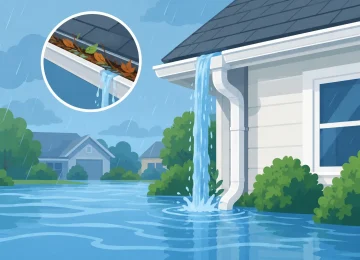
A gutter full of leaves can overflow onto a storefront entrance. A disconnected downspout can saturate soil beside the foundation. A clogged drain inlet can leave standing water in a parking lot, creating slip hazards and affecting tenant or customer access. These are not always separate problems. They are often signs that water is not moving away from the building in a controlled path.
The right maintenance schedule depends on the property. A low-rise office building beneath mature trees needs more frequent gutter cleaning than a newer warehouse in an open area. A mixed-use building with flat-roof drainage requires a different inspection approach than a retail center with large sloped roofs. The goal is not to follow a generic calendar. It is to understand where water enters the system, where it travels, and where it exits.
Start With a Full Drainage Inspection
A useful inspection looks beyond visible debris. Start at the roofline and follow the water path all the way to the discharge point. This process is especially valuable after a major storm, when overflow patterns and pooling areas are easier to identify.
Check gutters, seams, and mounting points
Look for standing water inside gutters, loose hangers, separated seams, rust, sagging sections, and water marks on fascia or siding. Gutters should maintain the correct pitch so water reaches the downspouts instead of sitting in one section. Even a minor low spot can collect debris, hold water, and add unnecessary weight to the system.
For larger commercial buildings, gutter size matters as much as condition. A system that is clean but undersized may still overflow during a heavy downpour. An experienced gutter contractor can assess whether the existing system is appropriate for the roof area, roof design, and local rainfall conditions.
Inspect downspouts and discharge locations
Downspouts should be securely fastened, free of clogs, and connected properly at each joint. During an inspection, check for crushed sections, disconnected elbows, missing extensions, and outlets that terminate too close to walls or walkways.
Water should discharge in a way that moves it away from the structure without creating erosion, ice buildup, or pooling. This can involve extensions, underground drainage connections, splash blocks, or other solutions based on site conditions. The best choice depends on the building layout, pavement, landscaping, local drainage requirements, and the condition of any existing underground lines.
Examine roof drains, scuppers, and inlets
Flat or low-slope commercial roofs often rely on internal drains, scuppers, or overflow drains. Leaves, nesting materials, roofing debris, and windblown trash can restrict these openings. If water cannot leave the roof quickly enough, ponding water may add stress to the roof system and find its way into vulnerable seams.
Ground-level inlets and catch basins also need attention. Sediment, mulch, litter, and leaves can build up at grates and reduce flow. Keep these areas visible and accessible. If an inlet repeatedly clogs, the problem may be more than surface debris. It could point to grading issues, a damaged pipe, or an upstream area that is washing excess material into the system.
Build a Seasonal Service Schedule
Commercial drainage maintenance works best when it is scheduled before the highest-risk periods, not only after a problem appears. For many properties, spring and late fall are the most practical times for full service. However, buildings surrounded by trees or exposed to frequent wind may need additional visits.
A typical schedule should include a pre-spring inspection to clear winter debris and identify damage from ice. Late spring or early summer service helps prepare for heavier storms. Fall cleaning is essential where leaves collect in gutters, roof drains, and catch basins. A final winter check can confirm that downspouts are secure and discharge areas are not likely to create ice near entrances or pedestrian paths.
After severe weather, maintenance staff should walk the property and document any overflow, ponding, soil washout, or water staining. Photographs and notes make it easier to spot recurring patterns and explain repair needs to owners, tenants, or maintenance teams.
Keep Debris From Becoming a Blockage
Cleaning is a basic part of drainage maintenance, but it must be done thoroughly. Removing leaves from the top of a gutter is not enough if debris remains packed at the downspout opening. Likewise, clearing a visible drain grate does not confirm that the line below it is open.
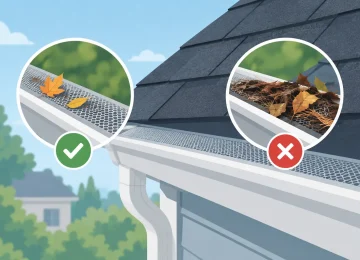
Gutter guards can be a worthwhile option for certain commercial properties, particularly where tree debris is a consistent issue. They reduce the amount of material entering the gutter, but they do not eliminate the need for periodic inspection and cleaning. Fine debris can still collect on top of guards, and drainage performance still depends on proper pitch, secure fastening, clear downspouts, and adequate system capacity.
Avoid assigning roof-edge cleaning to untrained personnel. Commercial gutter and roof drainage work can involve height, access, electrical hazards, fragile roofing materials, and concealed damage. Licensed and insured professionals bring the equipment and experience needed to inspect the system safely and identify repairs before they spread.
Address Repairs Before They Affect the Building
Small drainage repairs are generally more manageable than repairs made after water reaches the building envelope. A loose hanger, leaking end cap, open seam, or damaged downspout elbow may seem minor, but repeated water exposure can stain exterior finishes, rot fascia, weaken fasteners, and compromise nearby materials.
Pay close attention to these signs:
- Water spilling over gutters during ordinary rainfall
- Staining on siding, brick, soffits, or exterior walls
- Eroded mulch, soil, or pavement near downspout outlets
- Standing water near entrances, foundations, or loading areas
- Sagging gutters, visible joint gaps, or loose downspouts
- Ice forming repeatedly beneath roof edges or at walkways
Recurring problems should be investigated instead of repeatedly patched. For example, adding another extension may not solve a drainage issue caused by a blocked underground leader. Re-sealing a seam may not be the lasting answer if the gutter is pulling away because the fascia behind it is deteriorated. Good maintenance includes recognizing when a repair, redesign, or replacement is the more responsible long-term choice.
Plan for Heavy Rain and Tenant Safety
Drainage maintenance is also a property operations issue. Overflowing water can affect customer entrances, emergency exits, delivery areas, and parking surfaces. For properties with tenants, a clear process for reporting leaks or pooling water helps maintenance teams respond quickly.
Keep roof drains, downspout outlets, and catch basins on the preventive maintenance checklist. Make sure maintenance records identify the date of service, conditions found, repairs completed, and areas that require follow-up. This documentation is useful for budgeting, warranty discussions, and identifying patterns over time.
When drainage work is needed, choose a contractor who looks at the full water-management picture rather than treating a gutter or downspout as an isolated part. Cavallari Gutters helps commercial property owners assess gutter performance, make dependable repairs, and install systems designed to move water where it needs to go.
A well-maintained drainage system does its job quietly. That is exactly the point. Scheduling an inspection before the next hard rain can help protect the property, reduce avoidable service calls, and give owners and managers confidence that water is being directed away from the building as it should be.
Leave a Reply