
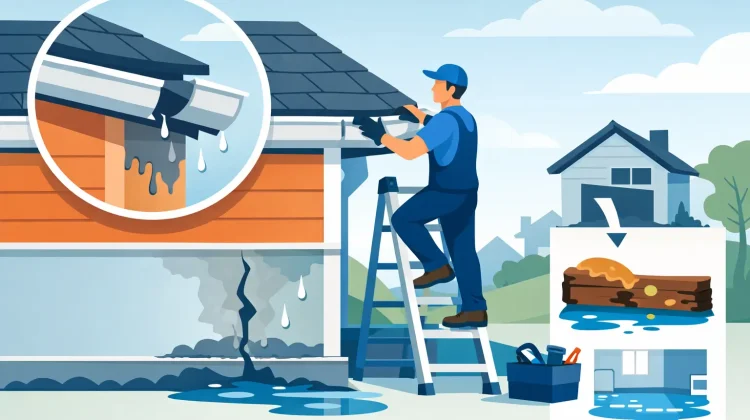
A gutter pulling away from the roofline is not a cosmetic issue to put off until the next renovation. Fixing detached gutters promptly helps keep rainwater where it belongs: moving through the system and away from the building. When the gutter sags, separates from the fascia, or drops at one end, water can run behind it and reach the soffit, siding, foundation, walkways, and landscaping.
For homes and commercial properties in New Jersey and Staten Island, heavy rain, snow, ice, wind, and seasonal debris can all expose a weak gutter attachment. The right repair depends on why the gutter came loose in the first place. Refastening a sound system can be a practical solution. Fastening new hardware into rotted wood or ignoring a drainage problem, however, can lead to another failure when the next storm arrives.
Why Gutters Detach From a Building
Most detached gutters are the result of more than one issue. A gutter may have gradually filled with wet leaves and debris, adding significant weight to the run. During winter, ice can add even more load. If older gutter spikes, undersized fasteners, or widely spaced hangers are already under strain, the system can begin pulling away from the fascia board.
Clogs also create a different kind of pressure. Water that cannot reach the downspout backs up and overflows, repeatedly soaking the gutter edge, fascia, and roofline. Over time, wood behind the gutter can soften or rot. At that point, even a quality screw will not hold securely because there is no solid material for it to grip.
Improper installation can contribute as well. Gutters need a subtle pitch toward the downspout so water drains instead of standing in the channel. A run that is poorly supported or incorrectly sloped can collect water, sag between fasteners, and eventually detach. On older homes, movement in the fascia, rafter tails, or roof edge may also need attention before the gutter can be secured properly.
Signs You Need to Address Detached Gutters
A visible gap between the gutter and fascia is the clearest warning sign, but it is not the only one. You may notice water spilling behind the gutter during rain, peeling paint near the roofline, damp spots on exterior walls, or a section that appears lower than the rest of the system.
Look for gutters that hold standing water after the rain stops, seams that have opened, downspouts that discharge too close to the foundation, or brackets that are bent or missing. On commercial buildings, pooling near entrances, loading areas, and foundation walls deserves prompt attention. What starts as a loose gutter can create slippery conditions, stains on masonry, and avoidable maintenance costs.
If the gutter is hanging low, pulling on loose metal, or sitting above a walkway, avoid trying to force it back into place from a ladder. The section may be heavier than it looks, especially if it contains wet debris. A professional inspection is the safer way to determine whether the system can be repaired without causing additional damage to the roofline.
Fixing Detached Gutters Starts With the Fascia
A lasting repair begins by checking the condition of the structure behind the gutter. The gutter must be removed or carefully supported so the fascia board, soffit area, and rafter ends can be evaluated. If the wood is dry, solid, and straight, the repair may involve replacing failed hardware, resetting the pitch, sealing any compromised joints, and reattaching the gutter with properly spaced hidden hangers and durable screws.
If the fascia is soft, split, or deteriorated, it should be repaired or replaced before the gutter is rehung. Simply driving longer screws through rotten wood can make the system appear secure for a short time, but the attachment will not have the support it needs. Water will also continue reaching the damaged area if the underlying drainage issue is not corrected.
The gutter itself needs an honest assessment. A relatively new aluminum gutter with a localized loose section may be an excellent repair candidate. An older system with repeated leaks, crushed sections, failing seams, widespread corrosion, or multiple sagging runs may be better replaced. The goal is not to sell more work than a property needs. It is to avoid spending money on a repair that cannot provide dependable protection.
The Importance of Proper Hanger Placement
Modern hidden hangers offer a cleaner appearance and stronger support than many older fastening methods. They are installed inside the gutter and secured through the back of the system into sound fascia or structural backing. Correct spacing matters, particularly in areas that experience snow and ice loads.
A contractor will also account for corners, outlets, long runs, and sections where water tends to collect. Those areas may require additional support. The gutter should be firm against the fascia without being distorted, and it should maintain a consistent slope toward the downspout. Even a properly secured gutter will overflow if it does not drain correctly.
Repairing the Cause, Not Just the Symptom
Detached gutters often return when the cause of the weight or overflow is left in place. Cleaning debris from the gutter and downspouts is part of the repair process, not an optional extra. Leaves, roof granules, seed pods, and nesting material can block outlets and cause water to stand in the system.
Downspout capacity and placement should be reviewed too. A large roof area draining into too few downspouts can overwhelm the gutter during a hard storm. Water may then spill over the front or back, even when the gutter is firmly attached. Depending on the building and roof layout, the right solution could involve a larger gutter size, additional downspouts, improved outlet placement, or a redesigned drainage path.
When a DIY Repair Is Reasonable and When It Is Not
A homeowner may be able to handle limited maintenance, such as clearing loose leaves from a low, safely accessible gutter or checking whether a downspout extension has shifted. But reattaching a detached gutter is different from routine cleaning. The work requires ladder safety, stable access, knowledge of proper pitch, and the ability to identify hidden rot or roof-edge damage.
DIY repairs are most likely to fail when a few screws are added without addressing the substrate behind the gutter. They can also create problems if the gutter is pulled too tight, sloped the wrong way, punctured unnecessarily, or fastened through a weak area. Aluminum gutters can bend easily, and a damaged section may no longer drain as designed.
Professional service is especially worthwhile when the gutter is more than one story high, the fascia shows damage, the section has separated over a large area, or water is reaching the interior or foundation. For property managers, a documented repair by a licensed and insured gutter specialist also offers greater confidence that drainage and exterior safety concerns have been addressed appropriately.
Preventing Another Gutter Detachment
Once the gutter has been repaired, regular maintenance helps protect the investment. Cleaning should be scheduled based on the property, surrounding trees, and roof conditions. Many homes benefit from service in the spring and fall, while heavily wooded properties may need more frequent attention.
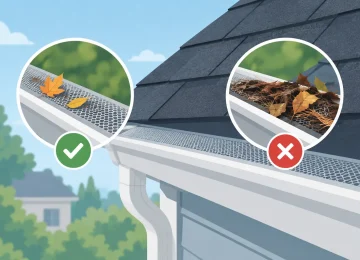
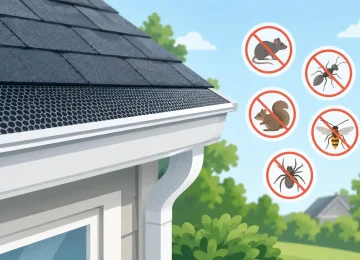
Gutter guards can reduce the amount of debris entering the system, but they are not a substitute for a properly sized, securely installed gutter system. The best guard choice depends on the roof, tree coverage, gutter condition, and the type of debris common around the property. Periodic inspection and cleaning support are still valuable for checking outlets, roof valleys, and the condition of the guards themselves.
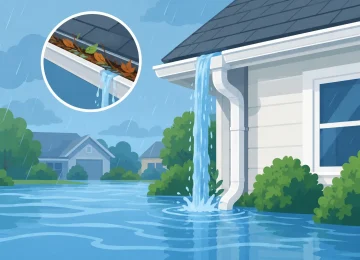
It also helps to watch the system during a steady rain. You do not need to climb a ladder to learn a great deal. From the ground, look for overflow, water running behind the gutter, leaking corners, standing water near the foundation, and downspouts that are not carrying water far enough away. These observations can make a professional evaluation faster and more precise.
Cavallari Gutters approaches repairs with the same focus as a full installation: secure attachment, proper drainage, clean workmanship, and a solution that fits the property. If a gutter is separating from the roofline, arranging an inspection before the next major storm can protect far more than the gutter itself.
Leave a Reply